


Easter Island: 2-Day Tour with Tongariki Sunrise & Moai Sites




Summary
Sunrise at Tongariki, moai giants, quiet beaches & ancient caves
You’ll feel time slow down as you watch sunrise at Ahu Tongariki with a small group, wander among unfinished moai at Rano Raraku, swim or snack at Anakena Beach, and climb windswept cliffs to Orongo Ceremonial Village—all with a local guide who shares stories along the way.

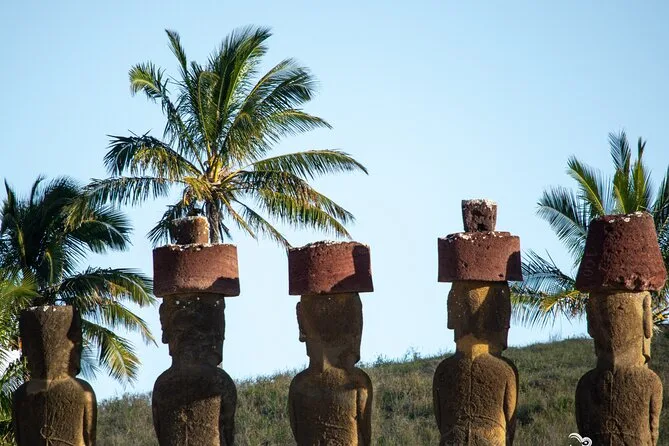
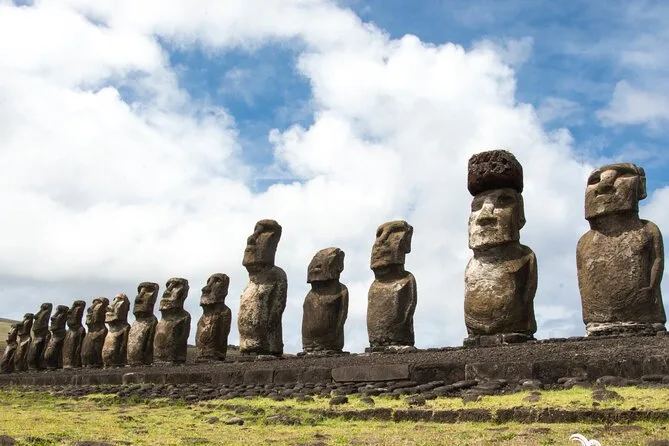
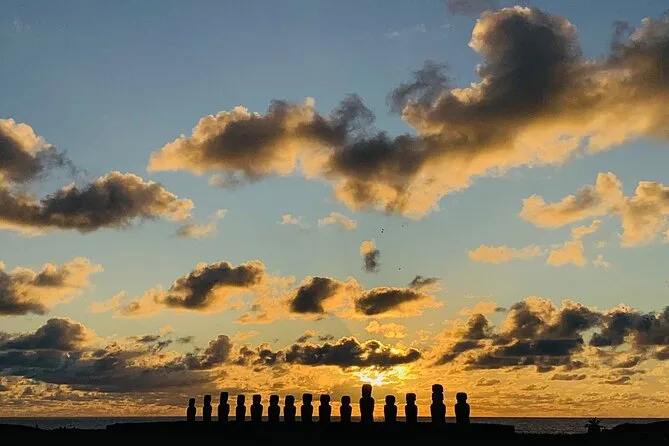
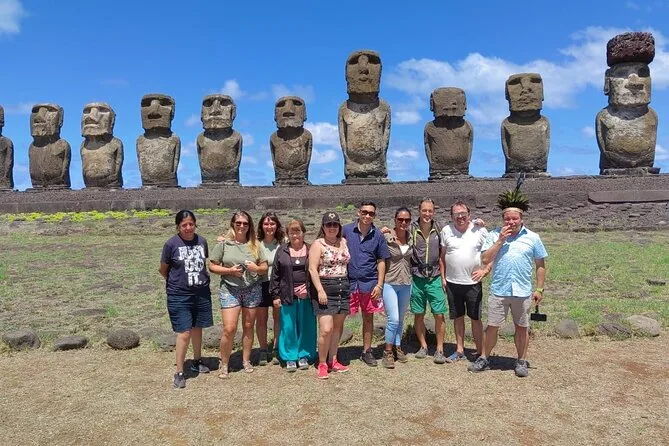
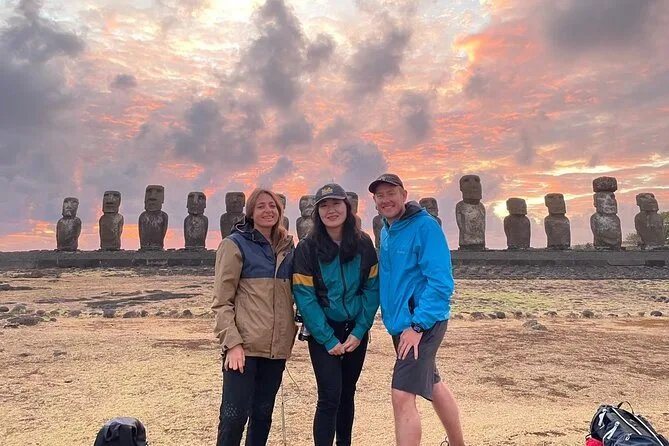
I’ll never forget how cold the air felt when we shuffled out before dawn on Rapa Nui. My phone said 5:10am but it felt earlier. Our guide—Mau—handed us coffee in paper cups that steamed in the dark. We drove east, headlights bouncing over potholes, and I remember thinking: is this really worth it? But then we reached Ahu Tongariki just as the sky cracked open—fifteen stone moai standing in a row, their backs to the Pacific. The silence was weirdly loud except for a couple of dogs barking somewhere behind us. I tried to take a photo but mostly just stared. Mau told us stories about the first king arriving here; I only caught half because I was distracted by the sun lighting up those faces.
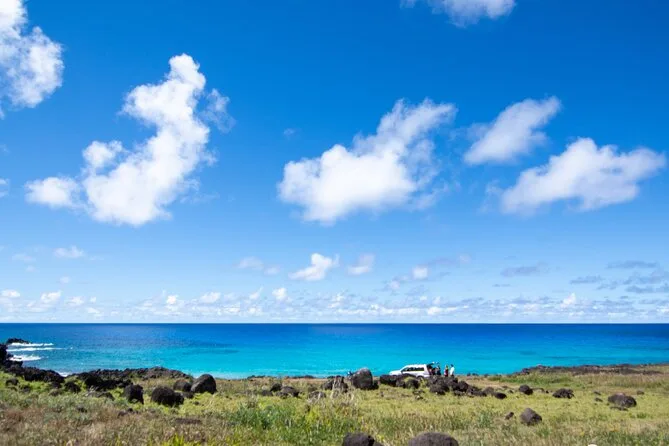
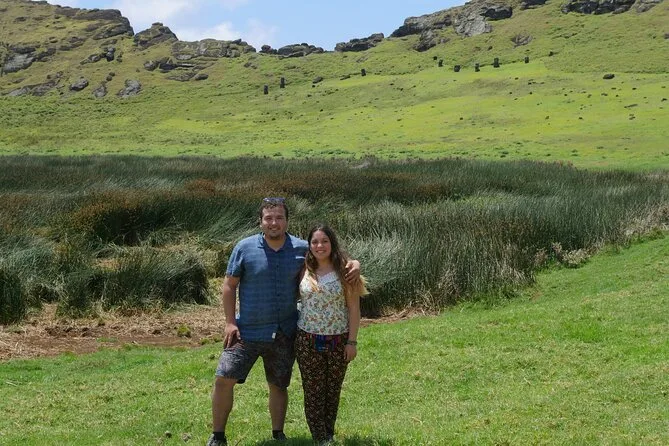
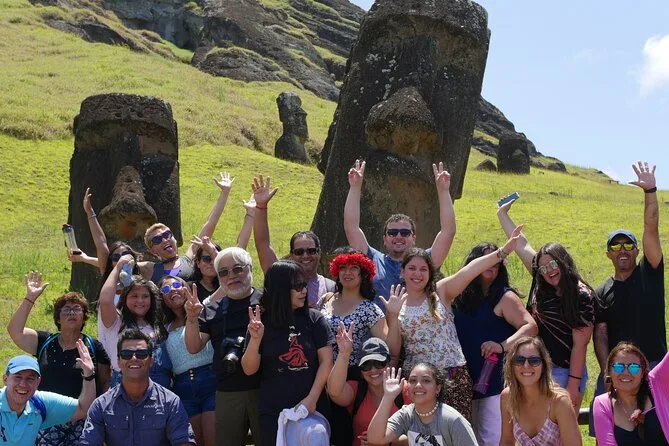
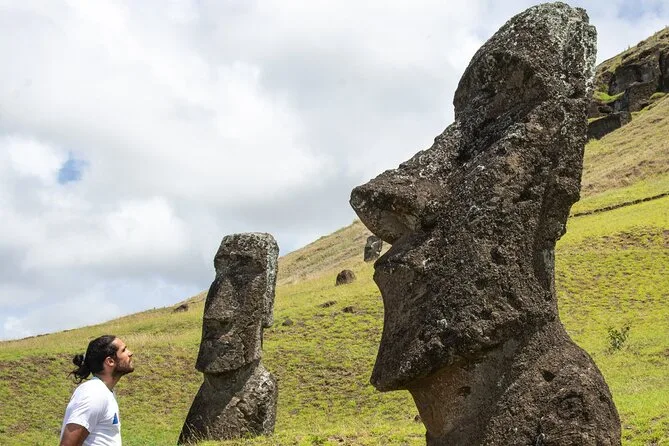
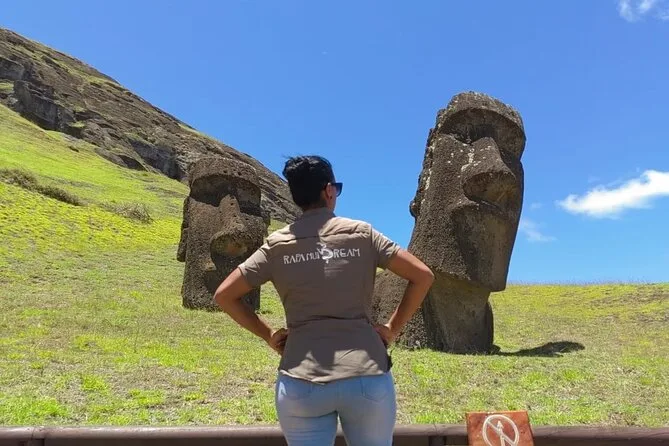
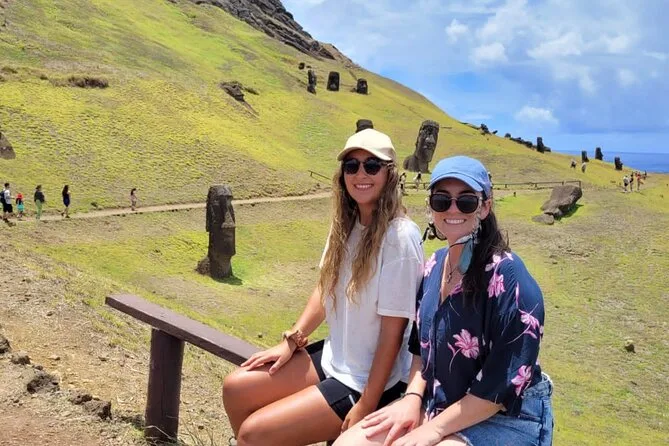
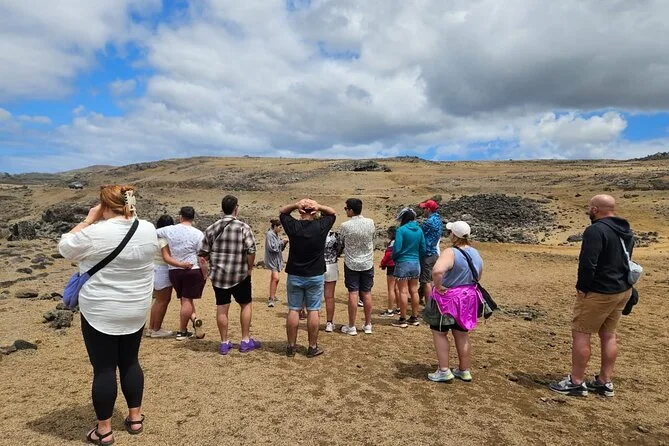
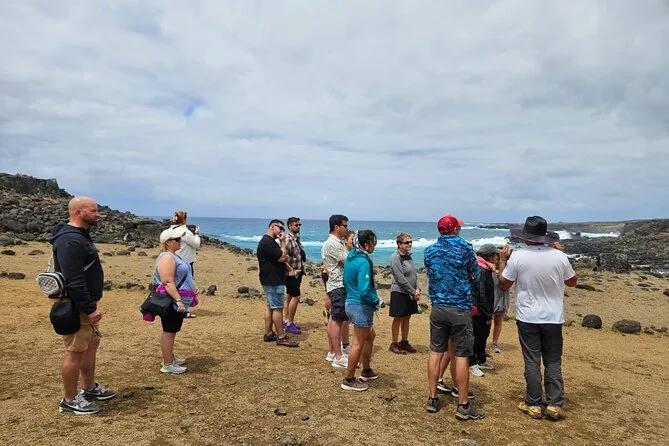
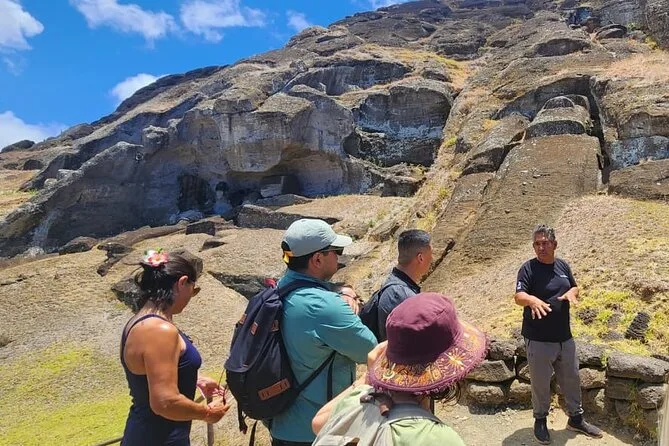
Later that morning we wound our way to Rano Raraku—the so-called “moai factory.” There are hundreds of unfinished statues scattered around like they’d been forgotten mid-sentence. The grass was still wet and my shoes got soaked, but honestly I didn’t care. Mau pointed out one moai lying flat, half-buried, and joked that he’s probably just napping (I laughed too loud). We stopped at Anakena Beach after—a real contrast: white sand and palm trees, warm breeze off the water. People were swimming or just sitting under shade huts eating empanadas from a little stand. The story goes that King Hotu Matua landed here ages ago; you can almost imagine it if you squint past the tourists.
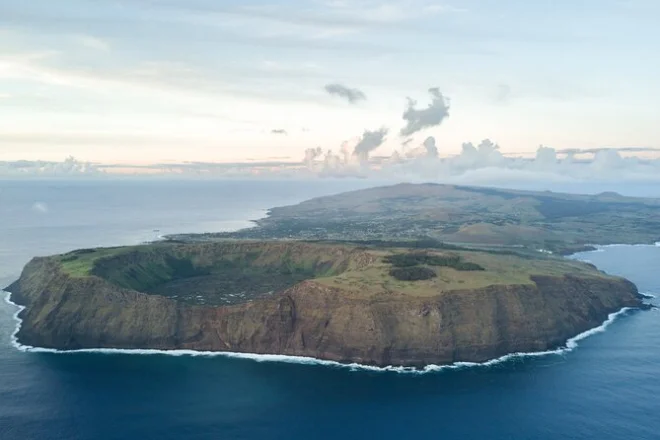
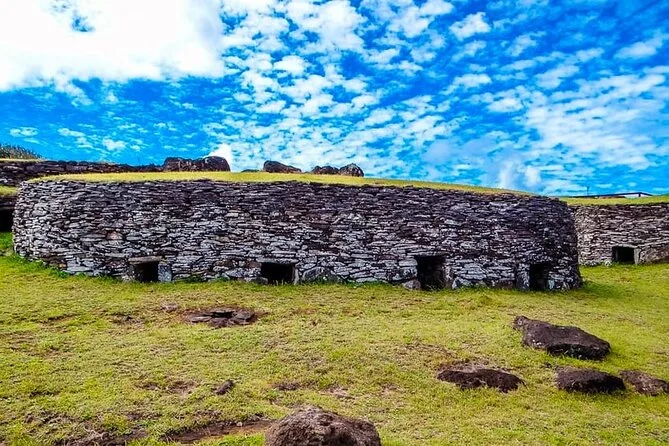
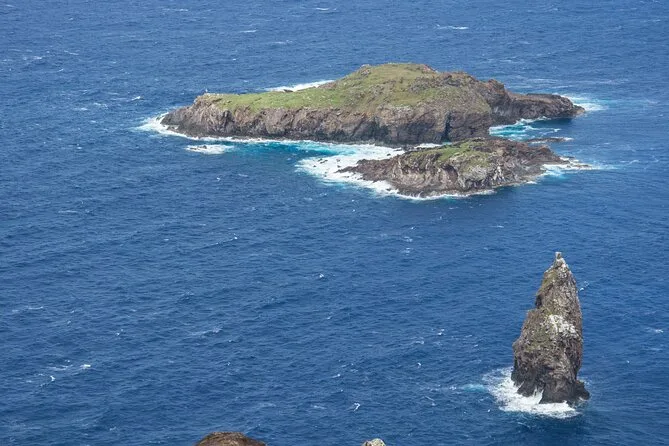
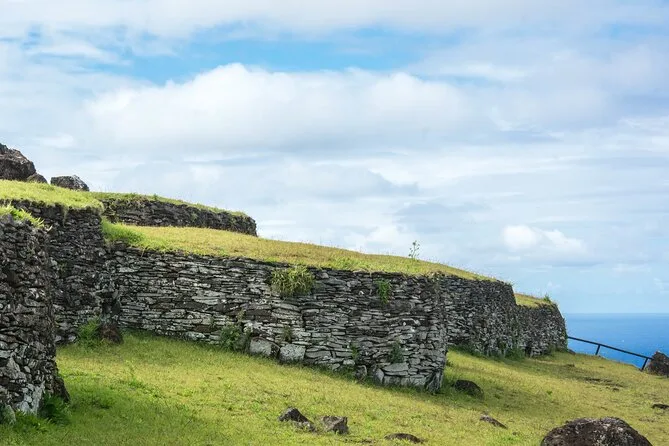
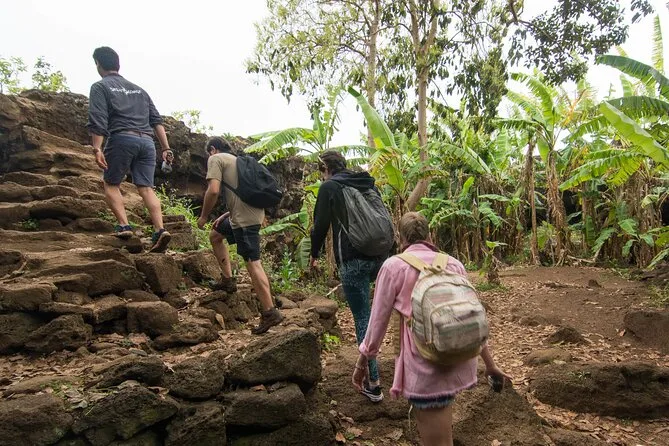
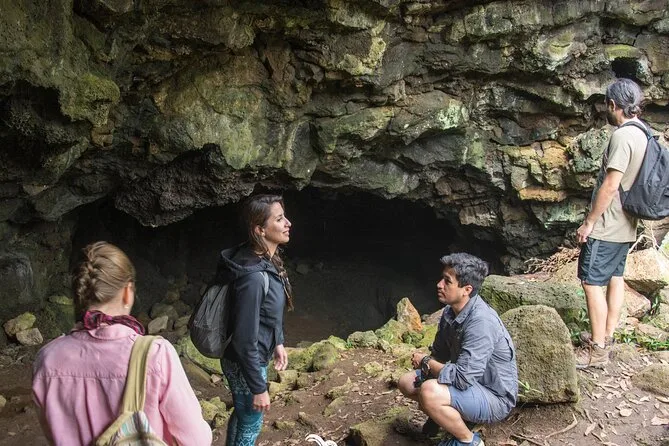
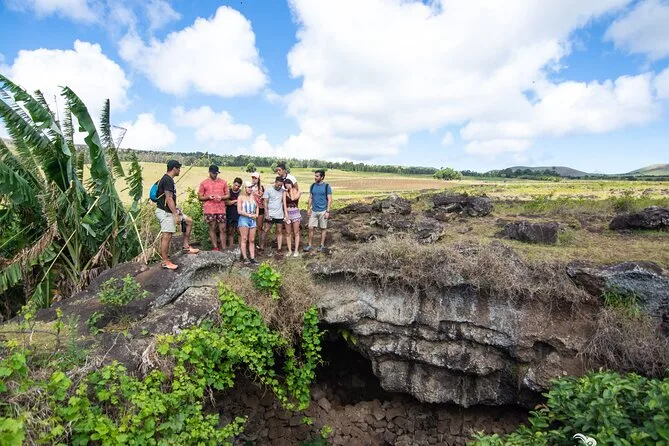
The next day felt quieter somehow. We climbed up to Orongo Ceremonial Village on top of Rano Kau crater—wind whipping so hard I had to hold my hat down. The view into that volcanic lake is wild—like something out of a dream—and there’s petroglyphs carved into rocks everywhere you look. At Ahu Akivi, Mau explained why these seven moai face the ocean (apparently they represent explorers sent by a chief). There’s also these lava tube caves—I ducked into one called Ana Te Pahu and nearly smacked my head on the ceiling (watch out if you’re tall). Coolest part? It used to be a banana grove inside.
I still think about that sunrise at Tongariki sometimes—the way everyone went quiet for a minute when the light hit those old stone faces just right. If you go, bring layers (the weather flips fast) and don’t worry if you miss some details; half the magic is just being there with people who know every corner of this strange island.
 3d
3d

Step-by-step itinerary
Day 1 — Full day tour of main sites
- Visit magnetic stone and longest moai
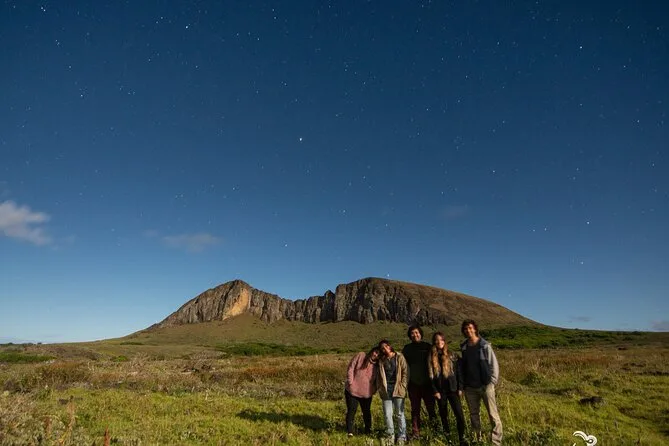
- Explore Rano Raraku crater and moai factory
- See largest platform with 15 moai
- Visit platform with 8 moai and fishermen's bay
- Explore old village near small bay
- Visit platform with 7 moai inland
- Relax at Anakena Beach
Day 2 — Explore archaeological and cave sites
- Visit Orongo Ceremonial Village
- See seven moai facing the sea
- Explore caves Ana Vai Teka, Ana Tapa Iri, Ana Ohoka, Ana Te Pahu
- Visit two ancestral platforms
Day 3 — Sunrise at Ahu Tongariki
- Watch sunrise at Ahu Tongariki platform

Top questions

What sites are included in this 2-day Easter Island tour?
The tour visits Ahu Tongariki (including sunrise), Rano Raraku quarry, Anakena Beach, Orongo Ceremonial Village, Ahu Akivi, ancestral platforms, and several lava tube caves.
Is hotel pickup included?
No explicit mention of hotel pickup; information is sent via WhatsApp before your first day.
Do I need to buy a park ticket before joining?
Yes—you must purchase your national park ticket in advance online or at Ma'u Henua offices before starting Day 1.
How early is the sunrise tour at Tongariki?
The sunrise experience starts very early; expect pickup or meeting before dawn (around 5am).
Are meals included on this tour?
No meals are included; however, there are opportunities to buy snacks or food during stops like Anakena Beach.
Can small children join this Easter Island tour?
Yes—infants and small children can join; strollers/prams are allowed but some terrain may be rough.
Is this tour suitable for people with limited mobility?
A moderate level of fitness is recommended due to uneven ground and cave visits; some areas may not be accessible for all travelers.
How do I get information about my tour schedule?
You’ll receive full information via WhatsApp from your guide the day before your excursion begins.

What’s included
Your days include all guiding by knowledgeable locals who share stories in English or Spanish as you explore major sites like Ahu Tongariki at sunrise, Rano Raraku quarry with its unfinished moai statues, Anakena Beach for swimming or relaxing under palms, entrance to ceremonial villages and caves (with prior purchase of park ticket), plus practical info sent directly to your WhatsApp before departure each day so you’re never left guessing what comes next.
 Super deal
  Free booking, free cancellation.
  Don't lose your place.


 Do you need help planning your next activity?


