


Willemstad: Kurá Hulanda Museum Entry Ticket & Reception

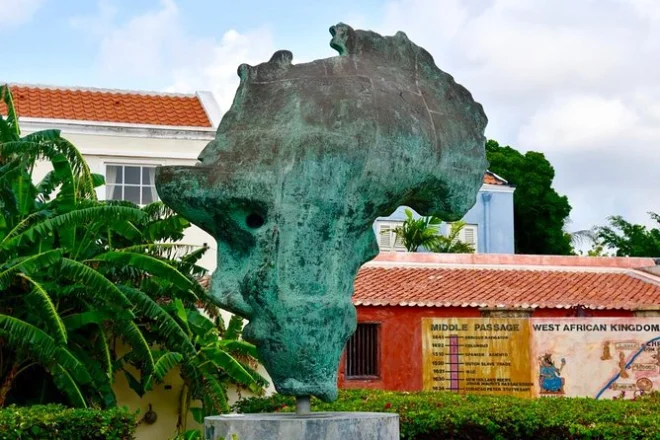
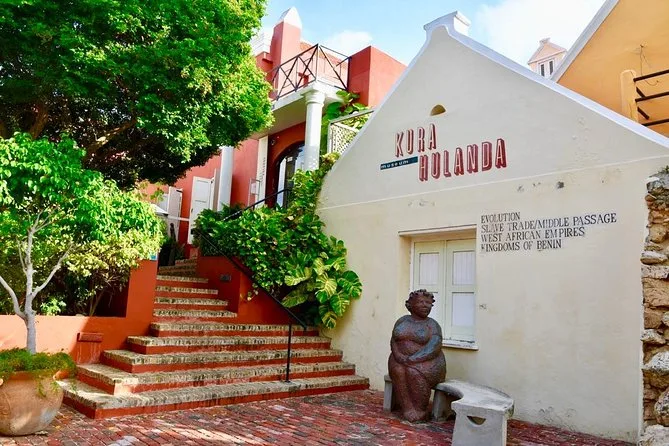

Summary
Curacao’s past at Kurá Hulanda Museum with self-guided entry
You’ll step quietly through powerful exhibits at Kurá Hulanda Museum in Willemstad—touching stories of slavery, vibrant West African artifacts, even glimpses of ancient Mesopotamia. Entry includes a museum map and friendly reception staff to point you in the right direction. Expect moments that linger long after you leave.

The first thing I noticed walking into the Kurá Hulanda Museum in Willemstad was the quiet—like the city sounds got swallowed up by those thick old walls. The receptionist handed me a map (which I clutched like a lifeline for the first few rooms) and nodded toward the first exhibit. There’s this heaviness in the air, not just from the heat but from what’s on display: shackles, ledgers, names scratched onto wood. It’s right by the harbor where ships used to dock, and somehow you can still feel that history pressing in from outside.
I wandered through rooms tracing the whole arc of the transatlantic slave trade—capture in Africa, that brutal Middle Passage, and then life here in Curacao and across the Americas. At one point I stopped in front of a carved mask from West Africa, paint chipped but colors still bright. I tried to imagine who made it and what they’d think seeing it here. The museum doesn’t soften anything; there’s pain everywhere but also these flashes of resilience. A local woman was explaining something quietly to her son near me—I caught only bits (“that’s why we remember”), but it stuck with me.
There’s a section on ancient Mesopotamia too, which I didn’t expect—a jumble of clay tablets and tiny statues that felt oddly out of place but kind of fascinating. By then my head was spinning with facts and feelings, so I sat outside for a minute under some scraggly trees. Even now I keep thinking about those names on wood, how close all this history really is. If you’re in Willemstad and want more than just pretty buildings or beaches…well, this is where you go to feel it all.
 1h–2h
1h–2h

Step-by-step itinerary
Day 1 — Visit Kurá Hulanda Museum in Willemstad
- Arrive at Kurá Hulanda Museum
- Explore Trans-Atlantic Slave Trade exhibits
- View artifacts from West African Empires
- See ancient Mesopotamian civilization displays

Top questions

Is a guide included with Kurá Hulanda Museum entry?
No, this ticket includes entry and a museum map only—no tour guide is provided.
Where is Kurá Hulanda Museum located?
It’s right at the city-center harbor of Otrobanda in Willemstad, Curacao.
What does Kurá Hulanda Museum focus on?
The museum focuses on the transatlantic slave trade and features African artifacts as well as ancient Mesopotamian items.
Is Kurá Hulanda Museum wheelchair accessible?
Yes, the museum is wheelchair accessible throughout its exhibits.
Are children allowed at Kurá Hulanda Museum?
Yes, infants and small children can visit; prams or strollers are welcome inside.
How do I get to Kurá Hulanda Museum by public transport?
The museum is located near public transportation options in Willemstad city center.
How long should I plan for my visit?
A typical visit lasts about 1–2 hours depending on your pace through the exhibits.

What’s included
Your day includes entry to Kurá Hulanda Museum plus a helpful map from reception staff when you arrive—no guide needed—and everything is accessible whether you’re walking or using a stroller or wheelchair.
 Super deal
  Free booking, free cancellation.
  Don't lose your place.


 Do you need help planning your next activity?


