


Tokyo Asakusa: Kintsugi Pottery Workshop & Gold Repair Art



Summary
Learn kintsugi in Tokyo’s Asakusa studio with real gold and urushi lacquer
You’ll step into a calm Asakusa studio in Tokyo and learn kintsugi pottery repair from a local artisan using real urushi lacquer and gold powder. Piece together broken ceramics while hearing stories behind this Japanese art form. Leave with your own golden-mended creation — and maybe a new way of seeing imperfections.

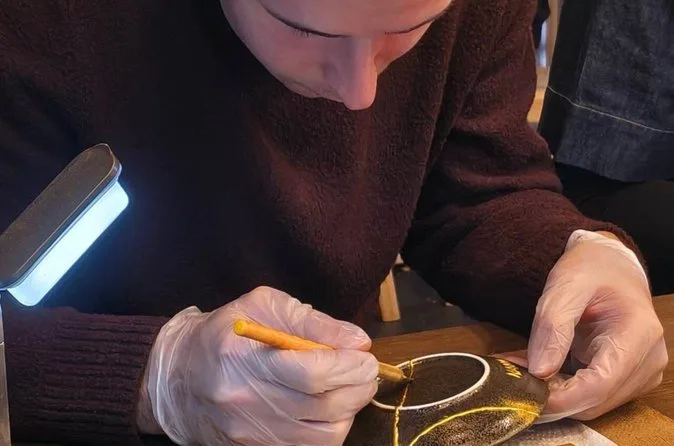
We ducked off the busy street near Senso-ji Temple and slipped into this quiet little studio — honestly, I almost missed the door. Inside, the air smelled faintly of wood and something sweet, maybe the lacquer? Our instructor, Emi-san, greeted us with that soft Tokyo politeness and handed me a chipped cup. “Today we repair,” she said. I was nervous — my hands shook a bit holding the broken pieces — but she just smiled like it was no big deal.
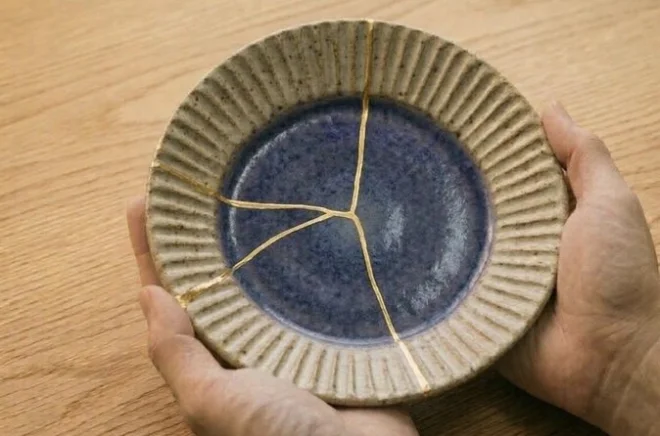
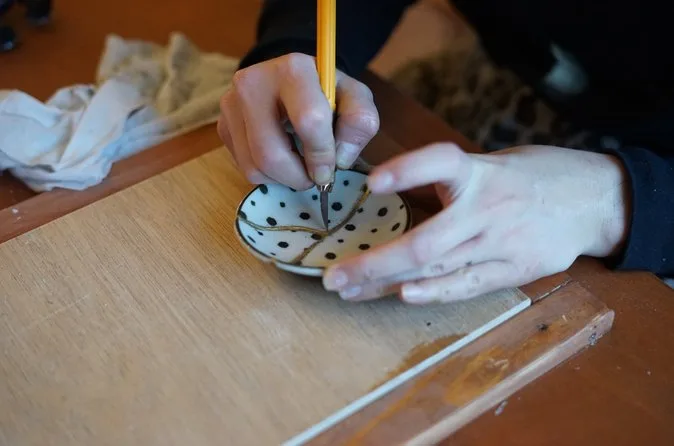
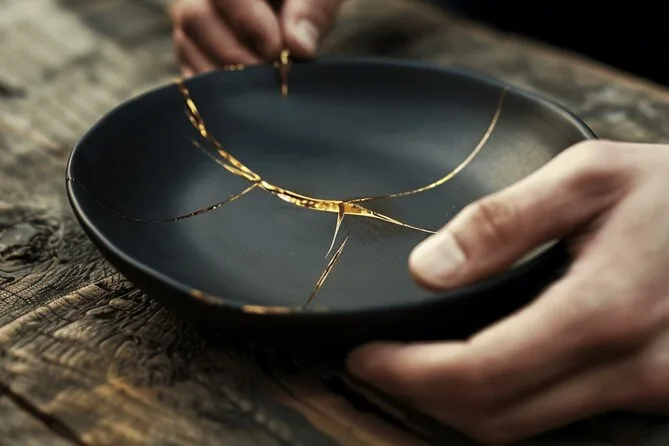
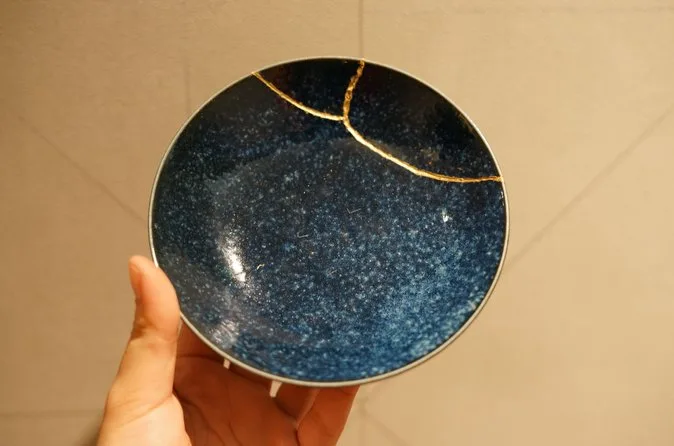
The kintsugi process is slower than I thought. You brush on this sticky urushi lacquer (it’s darker than I expected), then fit the pieces together like a tiny puzzle. Emi-san showed me how to dab gold powder along the cracks — it caught the afternoon light, almost glowing. She explained how kintsugi isn’t about hiding damage but making it part of the story. That stuck with me more than I thought it would. At one point, I got lacquer on my sleeve and Emi-san just laughed, saying it happens to everyone their first time.
I didn’t expect to get so quiet while working — everyone just focused on their bowls or plates, except for some soft Japanese pop playing from someone’s phone in the corner. The whole thing felt oddly calming after Tokyo’s chaos outside. When we finished, Emi-san wrapped up our repaired pieces so carefully you’d think they were treasures (and maybe they are now). Walking back into Asakusa’s crowds with my golden-mended cup tucked under my arm, I kept thinking about how flaws can actually look beautiful if you let them show. Still not sure if my repair will survive daily use, but that feels kind of beside the point.
 1h
1h

Step-by-step itinerary
Day 1 — Kintsugi workshop in Asakusa
- Arrive at Asakusa studio
- Meet skilled local artisan
- Learn Kintsugi philosophy
- Assemble broken ceramic pieces
- Apply urushi lacquer carefully
- Brush gold powder on cracks
- Create golden-repaired ceramic piece
- Complete workshop and reflect

Top questions

How long does the kintsugi workshop in Asakusa take?
The workshop typically lasts around 2 hours.
Is English spoken during the Tokyo kintsugi class?
Yes, bilingual staff speak both English and Japanese.
Do I need experience to join the kintsugi workshop?
No experience is needed; beginners are welcome.
Where is the kintsugi workshop located in Tokyo?
It’s in Asakusa, just minutes from Senso-ji Temple.
What materials are used in this kintsugi class?
You’ll use traditional urushi lacquer and real gold powder.
Can children or people with limited mobility participate?
Yes, it’s wheelchair accessible and suitable for all fitness levels.
Do I get to keep my repaired pottery after the class?
Yes, you take home your own golden-repaired ceramic piece.

What’s included
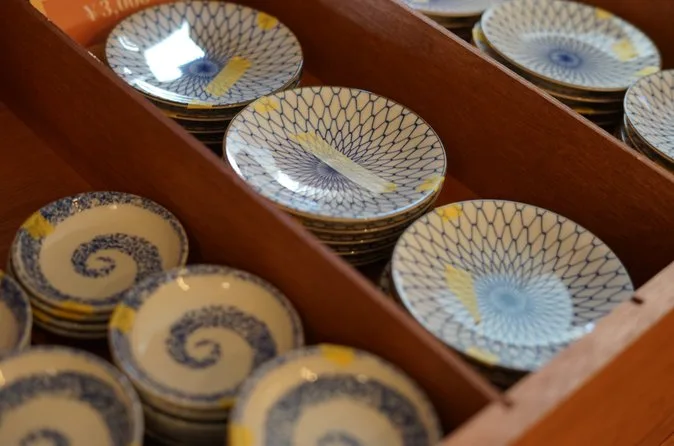
Your day includes use of all traditional kintsugi tools and materials inside an accessible Asakusa studio, guidance from bilingual staff in English or Japanese, plus your choice of tableware to repair and bring home as your own unique souvenir.
 Super deal
  Free booking, free cancellation.
  Don't lose your place.


 Do you need help planning your next activity?


