


Krakow to Auschwitz Birkenau: Group Tour with Pickup & Guide


Summary
From Krakow, travel to Auschwitz’s gates with group guide and return
You’ll travel from Krakow with a small group and local guide, walking through both Auschwitz I and Birkenau while hearing stories that linger long after you leave. Expect hotel pickup, pre-arranged entry (no waiting in lines), and thoughtful guidance throughout — plus moments of silence that say more than words ever could.

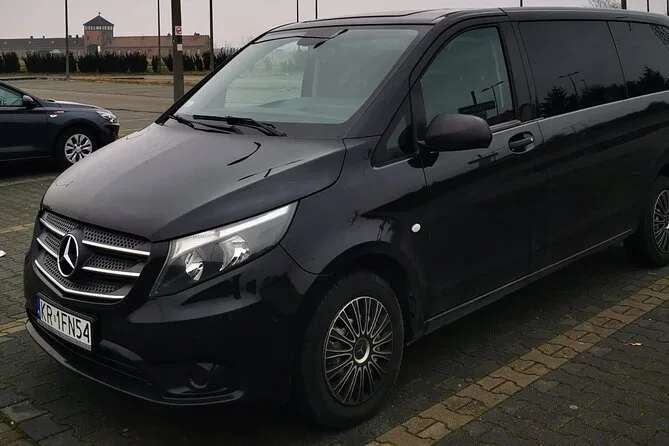
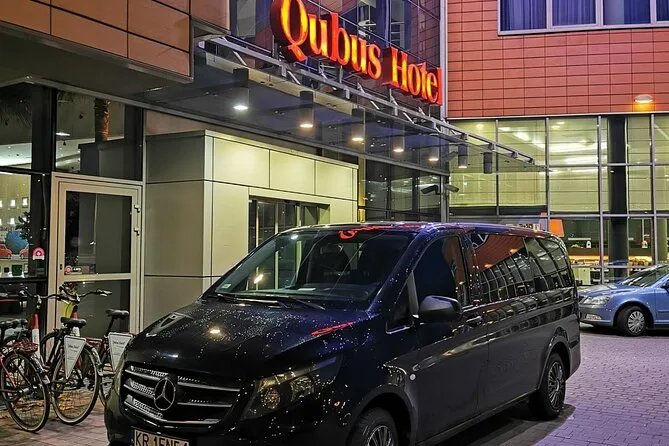
We were already rolling out of Krakow before I’d finished my coffee — the van was quiet, everyone sort of half-awake. Our driver Marek greeted us by name, which felt oddly comforting for such a heavy day ahead. The drive to Auschwitz took about an hour and a half; I watched the countryside slip by in that grey Polish morning light. It’s strange, but I remember the smell of rain on the windows and someone quietly unwrapping a sandwich behind me. Not much chatter. I think we all felt it.
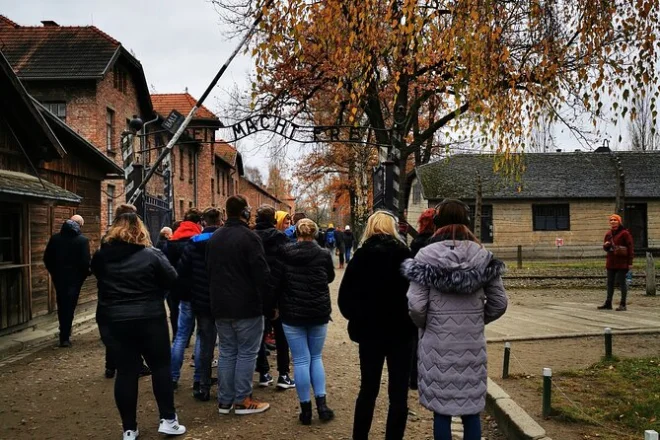
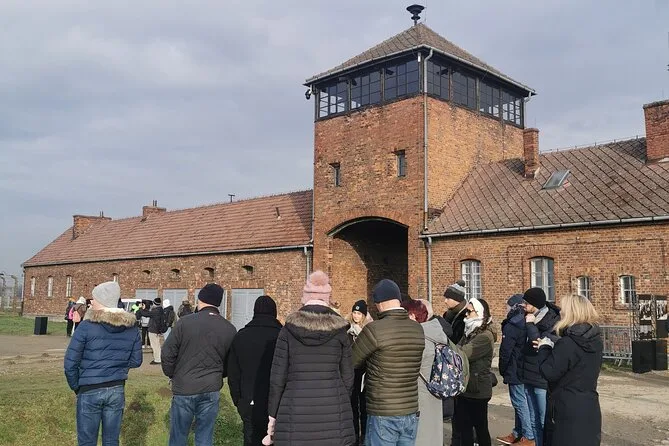
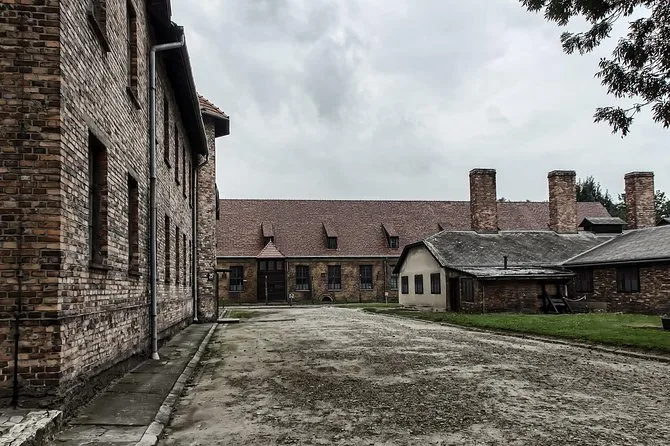
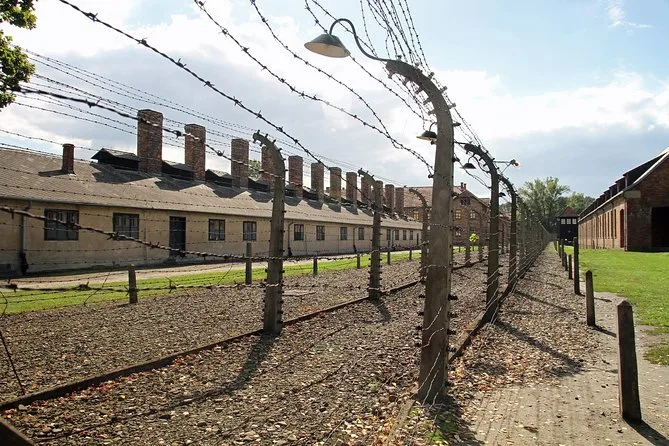
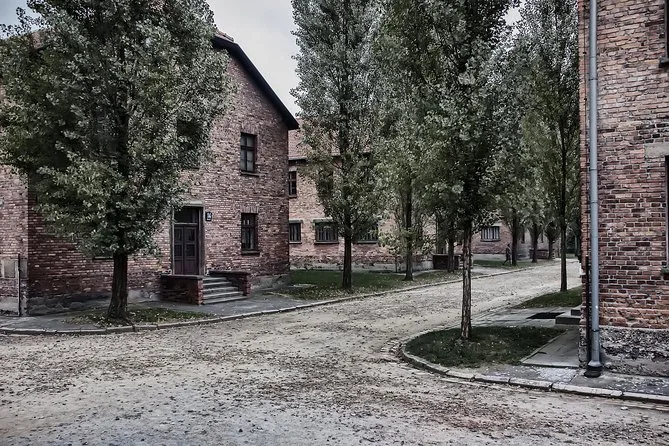
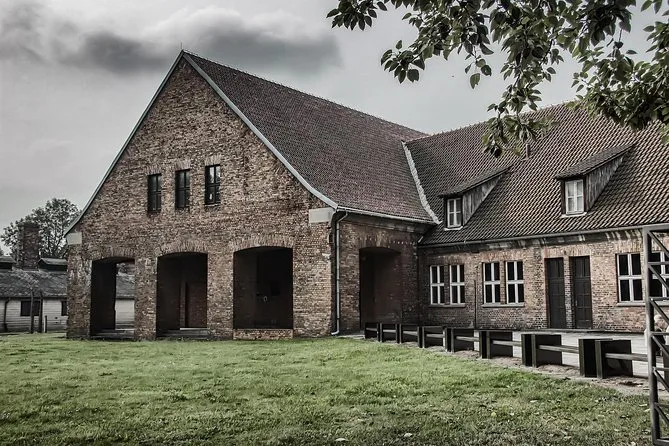
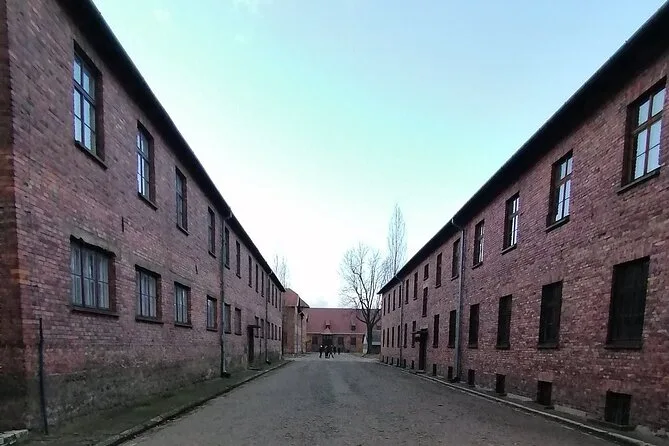
At the entrance to Auschwitz I, our guide Anna gathered us up — she had this calm way about her, spoke softly but clearly in English. She led us through the “Arbeit macht frei” gate and into those red brick barracks. There’s something about walking on those gravel paths that gets under your skin. Anna pointed out photos of prisoners — faces you can’t forget — and showed us what remains of the gas chamber. It’s not easy to describe how that feels, honestly. You just move quietly from room to room; sometimes you catch someone wiping their eyes or just staring at the floor.
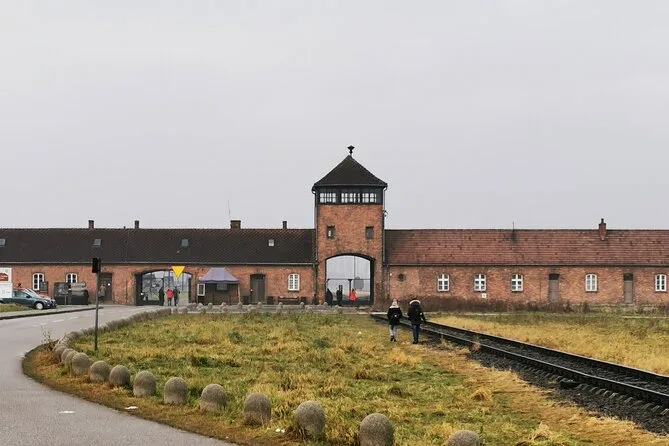
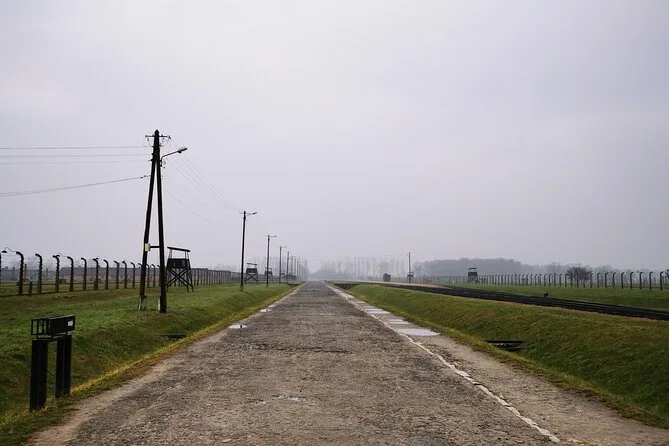
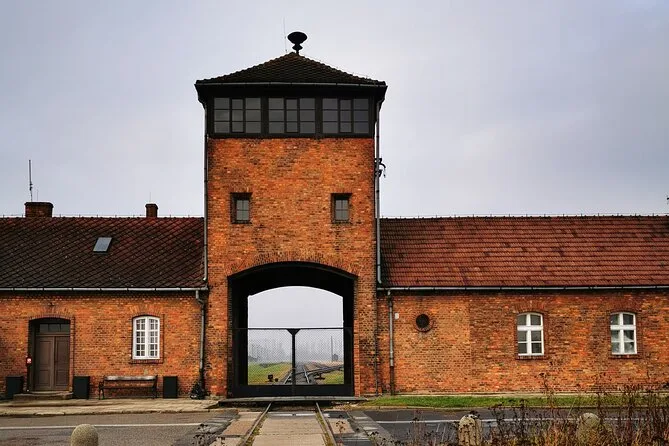
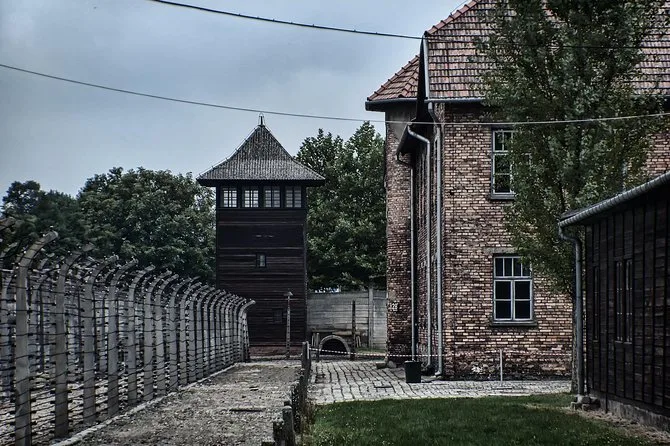
After a short break (I grabbed water from a vending machine; there’s not really time for lunch), we drove over to Birkenau. The place is massive — open fields, watchtowers stretching out forever. Anna met us again at the Death Gate, where trains used to arrive. She explained how selections happened right there on those tracks. We walked along the ramp and saw what’s left of the barracks — cold wood and rusted bunks — and then stood in front of the ruins of the crematoria. A few people in our group just stood there for a while without saying anything. It was windy that afternoon; you could hear nothing but footsteps and birds overhead.
I didn’t expect how much it would stay with me after we got back in the van for Krakow — everyone still quiet, looking out at passing fields again but seeing them differently now. If you’re thinking about this day trip from Krakow to Auschwitz-Birkenau, just know it’s not easy but maybe that’s why it matters so much.
 7h
7h

Step-by-step itinerary
Day 1 — Auschwitz Birkenau guided tour
- Pick up from Krakow hotel
- Travel to Auschwitz (1.5 hours)
- Meet guide at Auschwitz museum
- Tour Auschwitz I site (2 hours)
- Break and transfer to Auschwitz II Birkenau
- Tour Auschwitz II Birkenau site (1 hour)
- Return to Krakow hotel

Top questions

How long does the day trip from Krakow to Auschwitz take?
The journey takes about 1.5 hours each way by minivan or minibus, plus around 3 hours visiting both camps with your guide.
Is hotel pickup included for this Auschwitz tour?
Yes, hotel or apartment pickup in Krakow is included if selected during booking; otherwise, you’ll meet at a central point.
Are entry tickets to Auschwitz-Birkenau included?
Yes, entry tickets are booked in advance so you won’t need to wait at ticket offices upon arrival.
How big are the tour groups?
The standard group size is between 16 and 30 participants as recommended by the museum.
Is lunch provided during the tour?
No regular lunch break is scheduled; bring snacks or order a lunch box ahead if needed since only vending machines are available onsite.
Can children join this tour?
Children must be accompanied by an adult; due to sensitive content, it’s recommended for ages 13+.
Will there be an English-speaking guide at both camps?
Yes, licensed English-speaking guides lead you through both Auschwitz I and Birkenau camps.
How much walking is involved?
You’ll spend most of your visit walking outdoors across both sites; comfortable shoes are recommended.

What’s included
Your day includes hotel pickup (or meeting point), round-trip transport from Krakow by air-conditioned minivan or minibus, all entry fees pre-booked so there’s no waiting around outside, guided tours at both Auschwitz I and Birkenau with an English-speaking expert who shares stories as you walk together through history — then drop-off back in Krakow when it’s done.
 Super deal
  Free booking, free cancellation.
  Don't lose your place.


 Do you need help planning your next activity?


