


Busan to Gyeongju: UNESCO Sites, Hanok Village & Bamboo Forest Day Trip




Summary
Gyeongju’s Silla relics, hanok village lanes & temple calm in one day
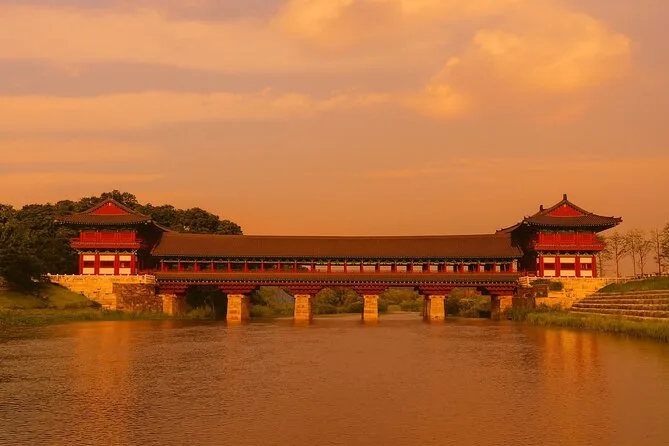
You’ll wander through Ahopsan Bamboo Forest or cherry-blossom lanes near Busan before exploring Gyeongju’s ancient temples and hanok villages with a local guide. Touch centuries-old stones at Bulguksa Temple, see royal treasures at Gyeongju National Museum or stroll among tomb mounds if blossoms are in bloom. End your day watching Woljeonggyo Bridge glow over the river—quiet moments you’ll remember long after leaving Korea.

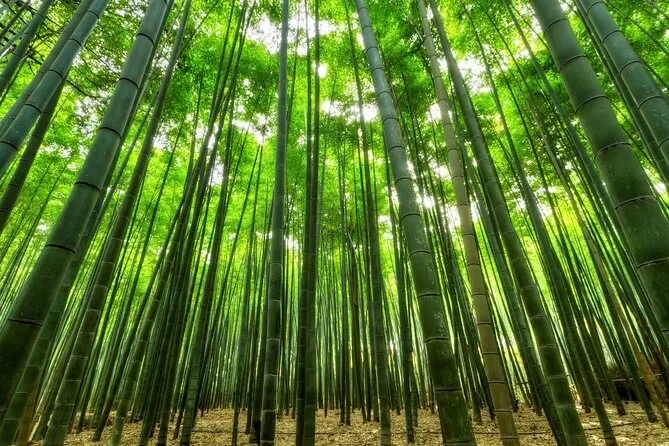
I didn’t expect to start my day standing under bamboo so tall it blocked out half the sky. We’d barely left Busan when our guide, Minji, led us into Ahopsan Forest—she said the name means “nine mountains,” but honestly I lost count after three. The air was cool and smelled faintly sweet, like wet leaves after rain. I kept thinking how quiet it was except for the crunch of our shoes and some distant bird that sounded like it was laughing at us. Someone in our group tried to take a photo for Instagram but gave up—the light just wouldn’t cooperate.
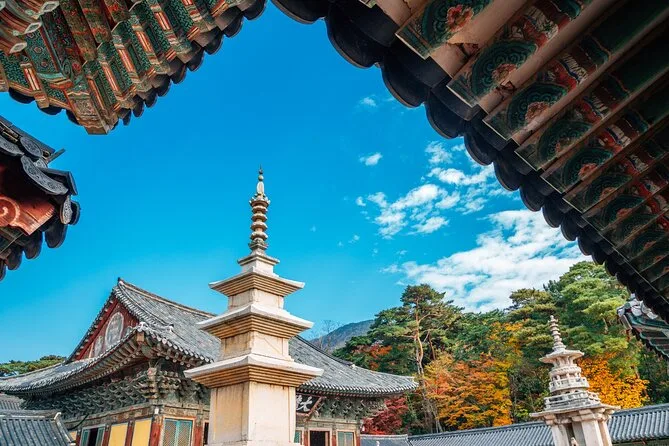
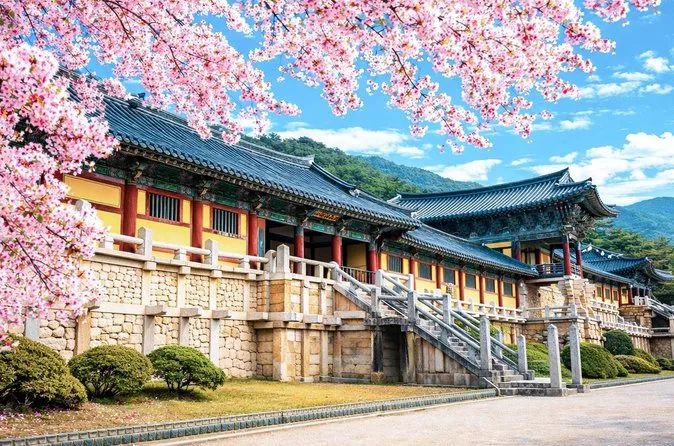
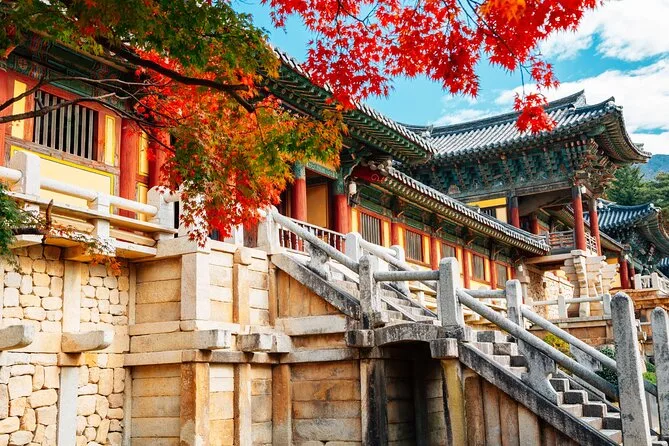
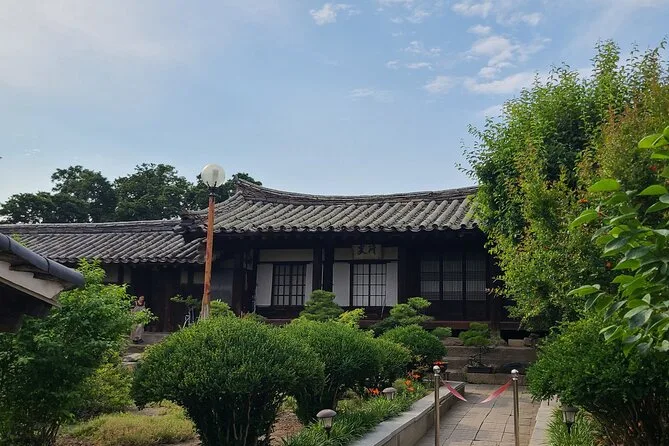
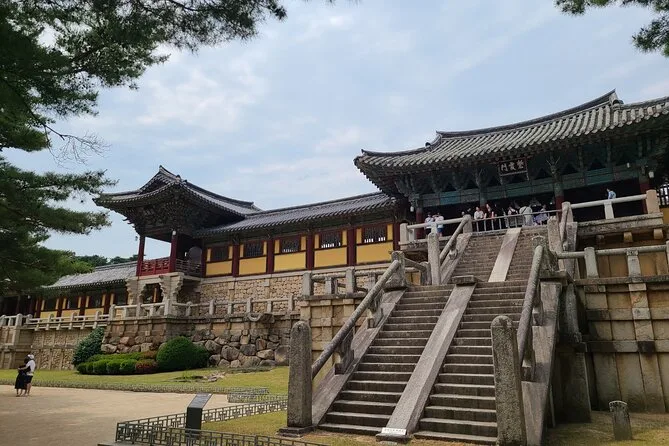
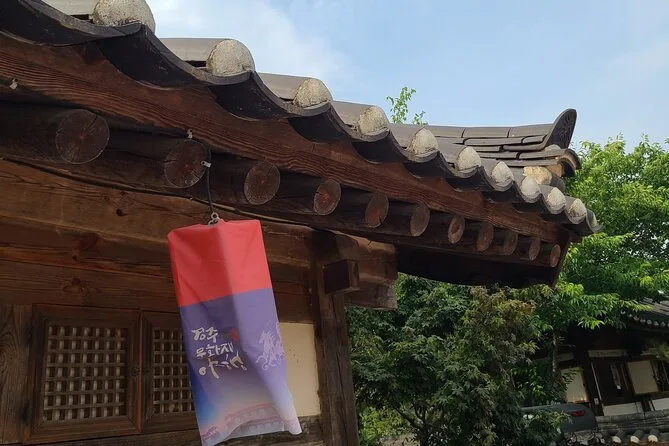
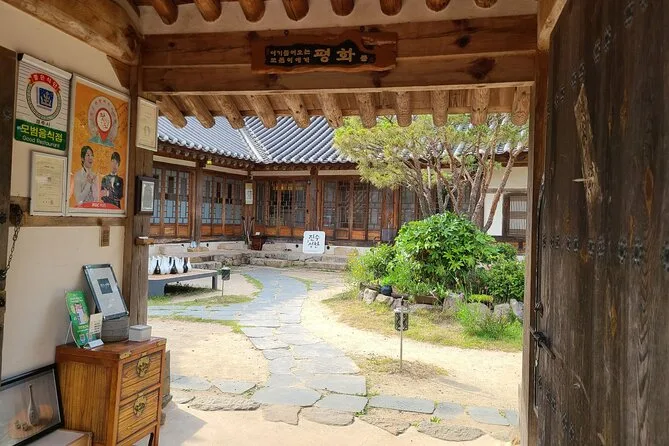
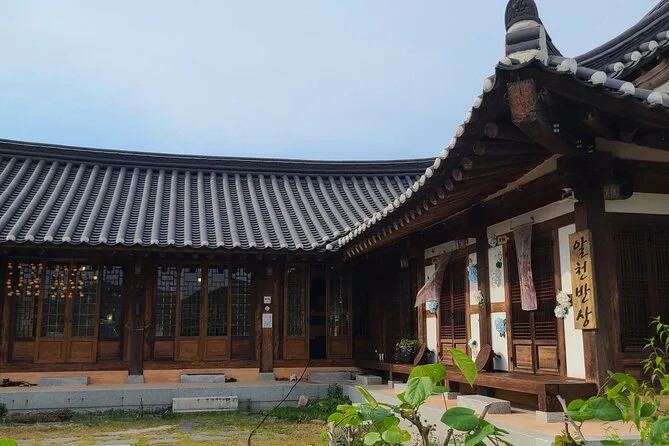
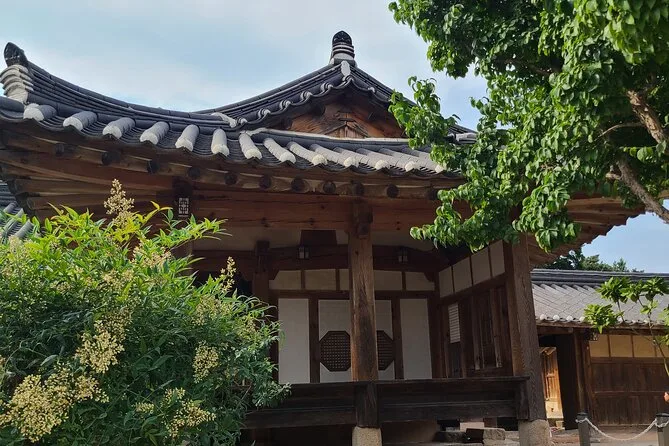
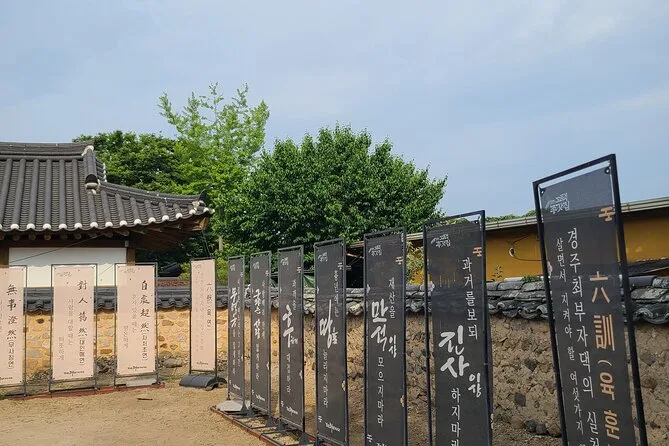
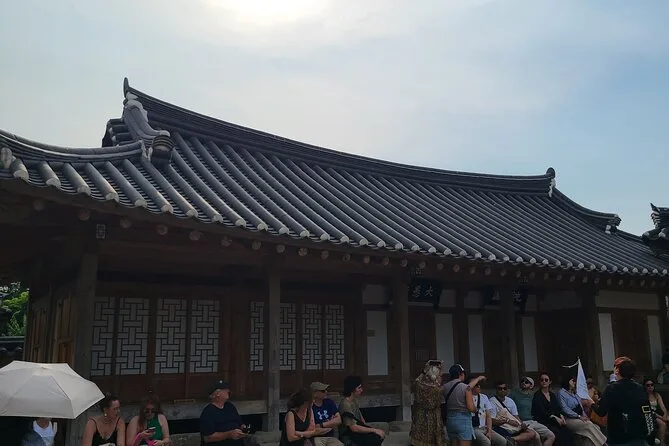
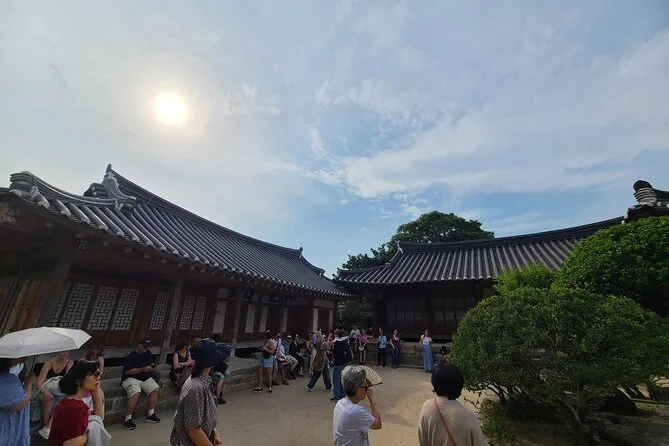
After that, we drove out toward Gyeongju. The city felt different right away—older, slower somehow. At Bulguksa Temple, Minji pointed out the Dabotap pagoda and told us about how monks used to walk these same stone steps centuries ago. I touched the railing; it was cold and smooth from all those hands before mine. There was incense drifting through the courtyard (or maybe that was just my imagination), and for a second everything felt very far from home. We wandered through Gyochon Hanok Village next—old wooden houses with curved roofs, tiny gardens tucked behind low walls. An old man sweeping his stoop nodded at us; he didn’t say anything but smiled like he knew we were lost in thought.
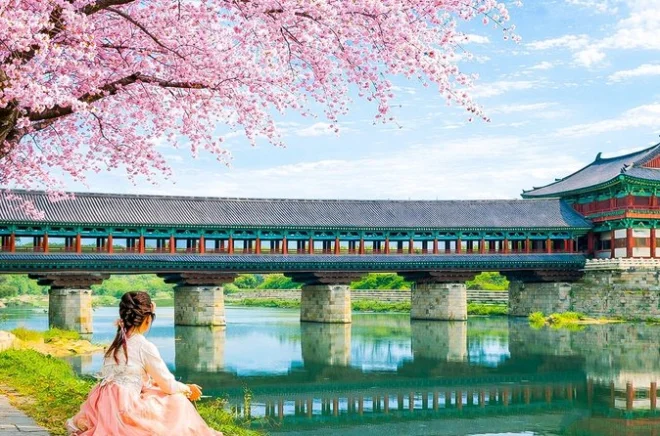
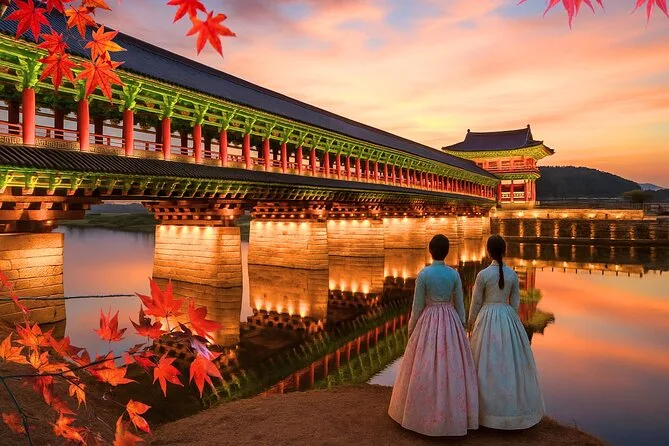
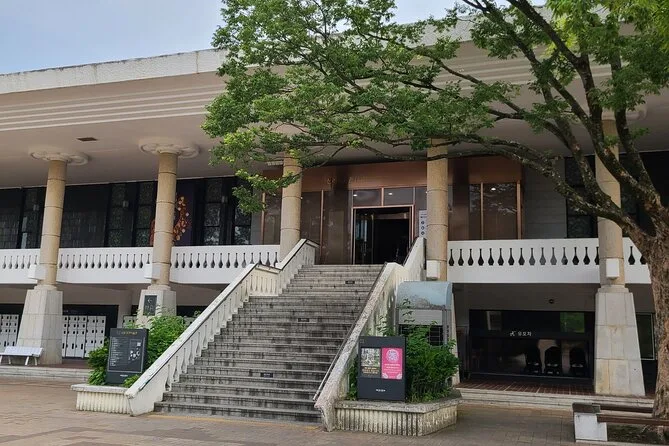
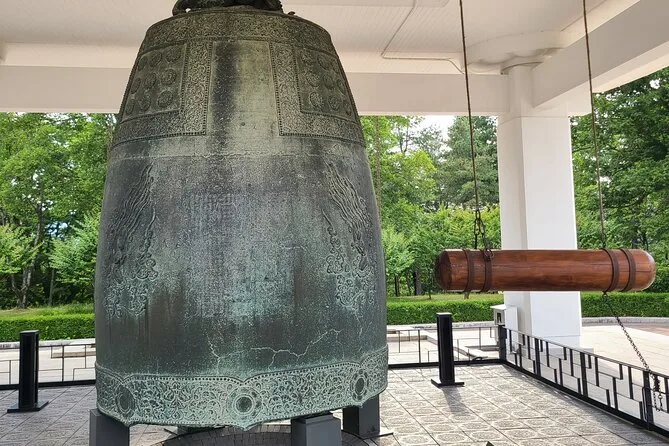
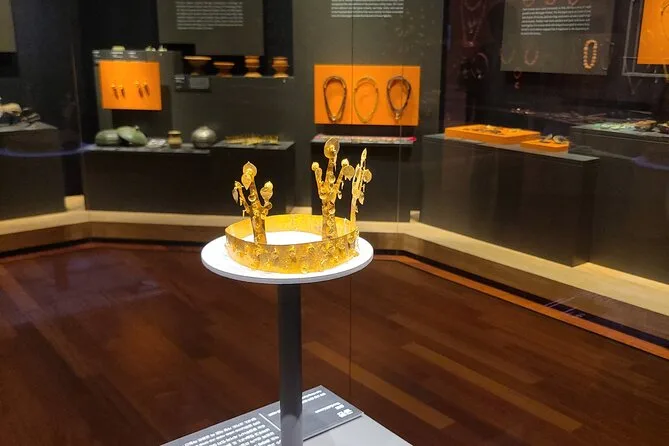
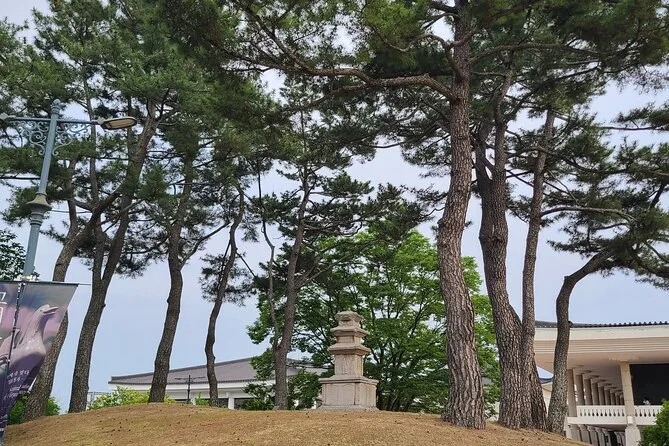
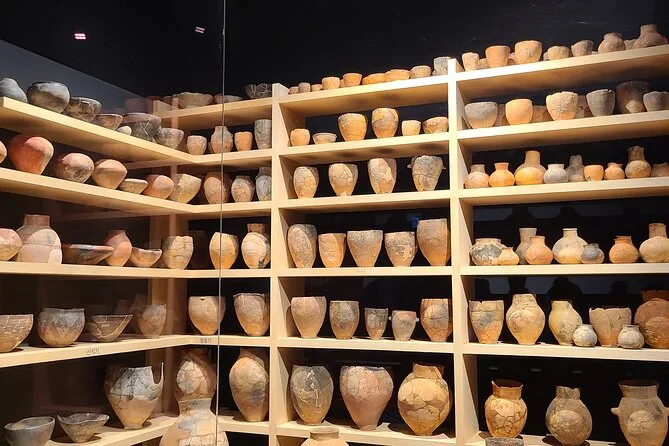
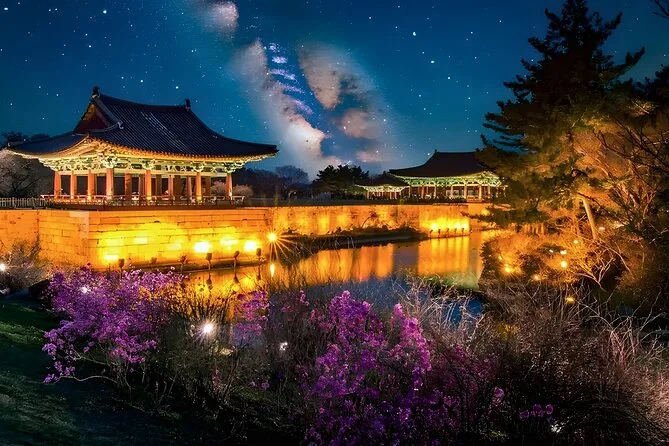
I have to admit I nearly skipped the museum part—I’m not usually into glass cases—but the Silla gold crown caught me off guard. It’s delicate up close, almost fragile looking, which made me nervous just staring at it. Minji told us about the Emille Bell and this legend about a child’s cry trapped inside (kind of haunting if you think about it). We finished at Woljeonggyo Bridge as dusk crept in; lights flickered on beneath its painted beams and reflected off the water so perfectly it looked fake. I still think about that view sometimes when things get noisy back home.
 12h
12h

Step-by-step itinerary
Day 1 — Busan to Gyeongju UNESCO Tour
- Visit Ahopsan Bamboo Forest
- Walk Dalmaji Hill (cherry blossom season)
- Explore Bulguksa Temple
- Tour Gyochon Hanok Village
- Visit Gyeongju Choi Family House
- See Gyeongju National Museum
- Walk Daereungwon Tomb Complex (cherry blossom season)
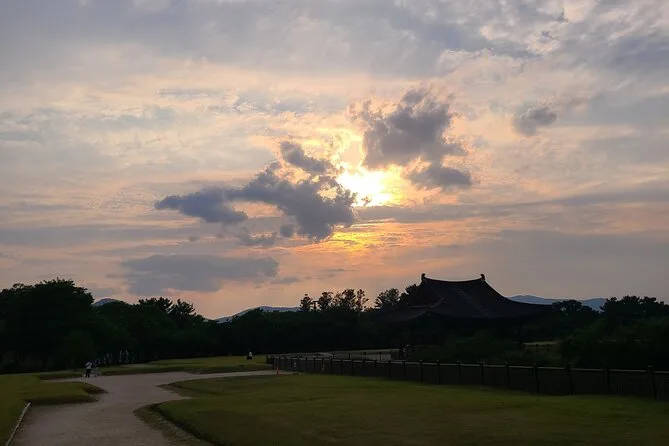
- End at Woljeonggyo Bridge

Top questions

Is pickup included for this day trip from Busan?
Yes, round-trip transport from Busan is included with your booking.
Do I need to pay extra for Ahopsan Bamboo Forest?
The entrance fee for Ahopsan Forest is not included in the tour price.
What sites are visited during cherry blossom season?
During cherry blossom season (Mar 24–Apr 12), Dalmaji Hill or Daereungwon Tomb Complex may be visited instead of standard stops if blossoms are blooming.
Is lunch provided on this tour?
No specific mention of lunch is included; check with your operator for details.
Can I choose between museum or another site?
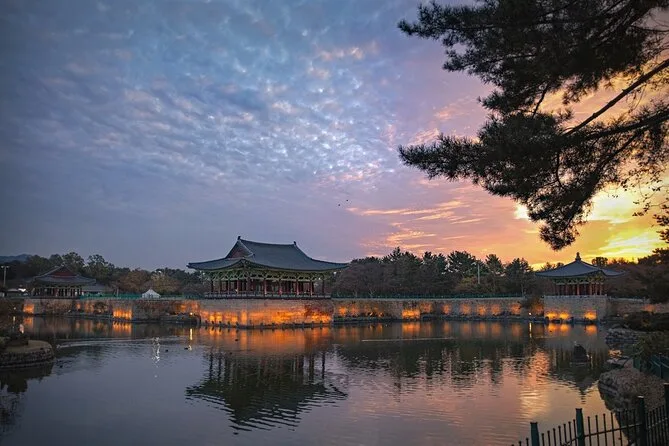
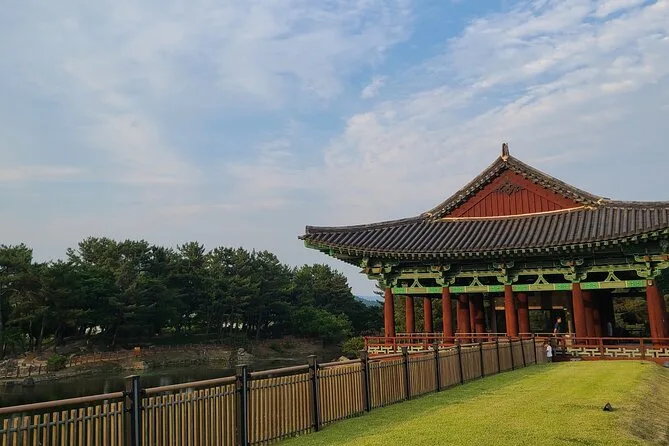
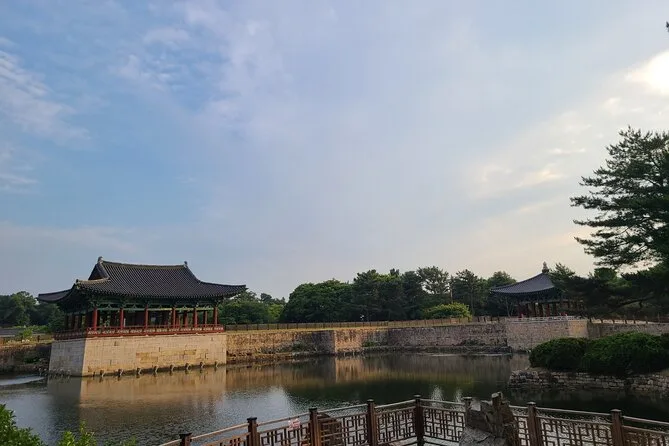
Yes, you can visit Donggung Palace & Wolji Pond instead of Gyeongju National Museum if you prefer (entry fee not included).
Are guides fluent in English?
The tour includes an English- or Chinese-speaking local guide.
How long does it take to get from Busan to Gyeongju?
The drive typically takes around 1–1.5 hours each way depending on traffic.

What’s included
Your trip includes round-trip transport from Busan in an air-conditioned vehicle with all tolls, fuel and parking covered; you’ll be guided by an English- or Chinese-speaking local who shares stories along the way—admission fees for some sites like Ahopsan Forest are extra but everything else is arranged so you can just focus on wandering ancient streets and temples without worrying about logistics.
 Super deal
  Free booking, free cancellation.
  Don't lose your place.


 Do you need help planning your next activity?


