


Samarkand: Walking Tour Registan, Gur-e-Emir & Shah-i-Zinda






Summary
Wander Samarkand’s blue domes, ancient squares & legends
You’ll walk Samarkand’s legendary squares and mausoleums with a local guide who brings centuries-old stories to life. Feel cool marble under your hands at Gur-e-Emir Mausoleum, catch sunlight on Registan’s tiles, and lose yourself among Shah-i-Zinda’s mosaics. It’s not just sightseeing—it’s stepping into living history.

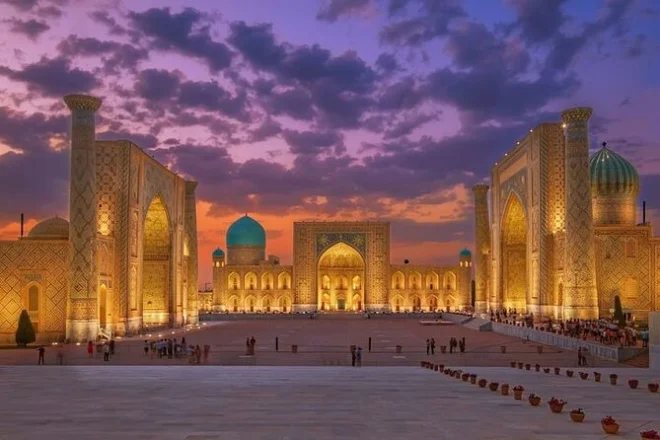
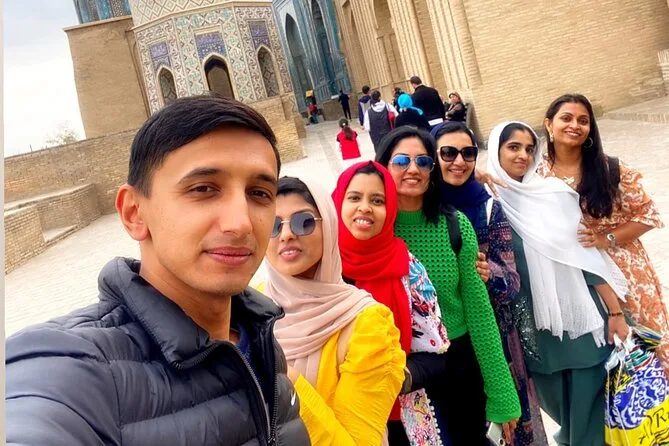
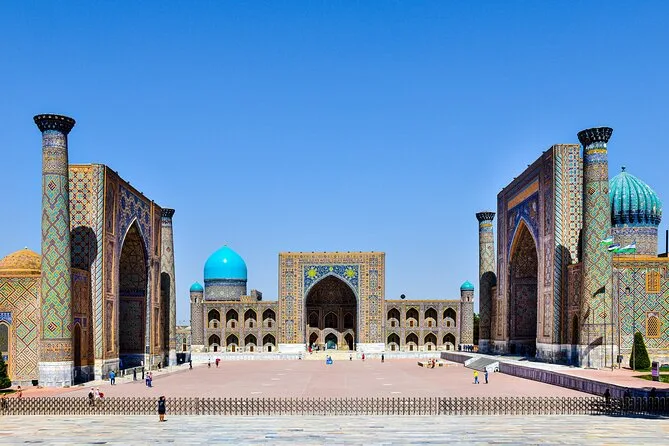
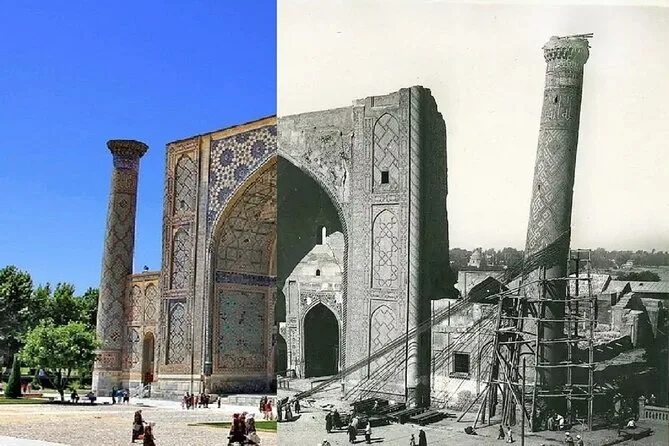
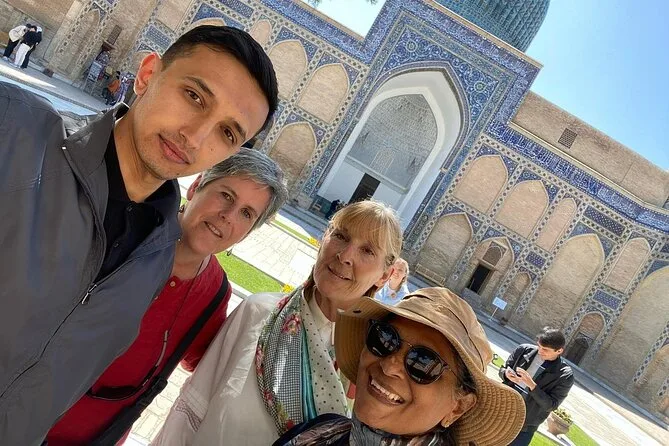
We started moving right away, feet echoing on the old stones near Registan Square—those tiles really are as blue as everyone says, but up close you see little cracks and faded bits where time’s worn them down. Our guide, Azamat, had this way of pointing out details without sounding like a textbook. He told us how Ulugbek’s madrassa used to be full of students and astronomers. I tried to imagine their voices bouncing off these walls centuries ago. There was a group of local kids darting around the square, laughing—one of them waved at us and I almost forgot we were supposed to be “tourists.”
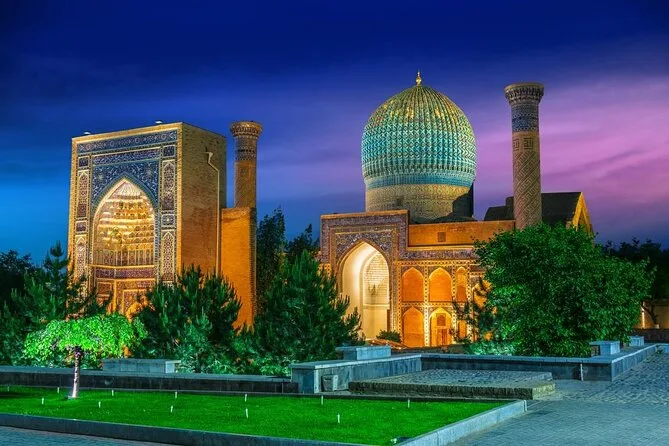
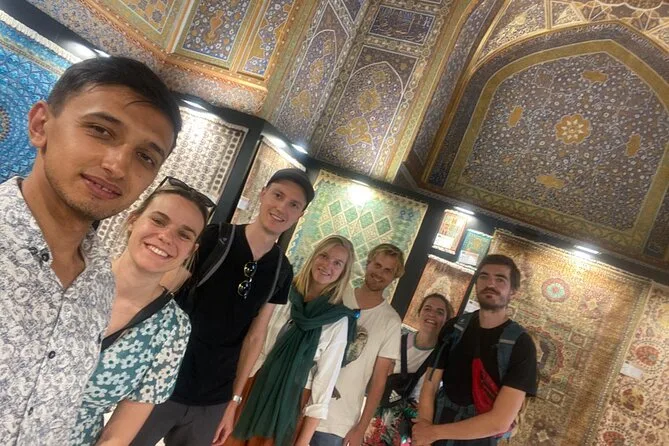
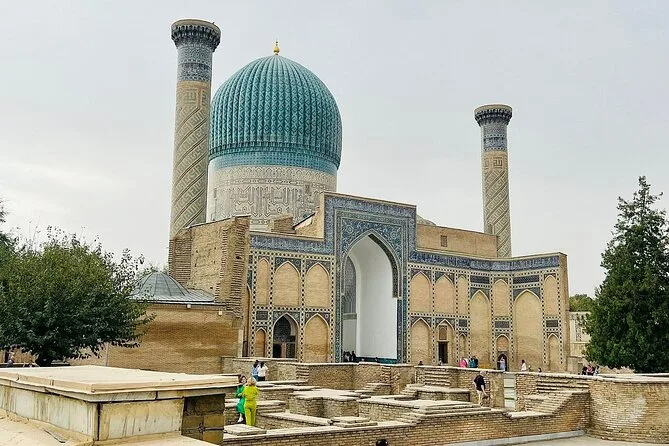
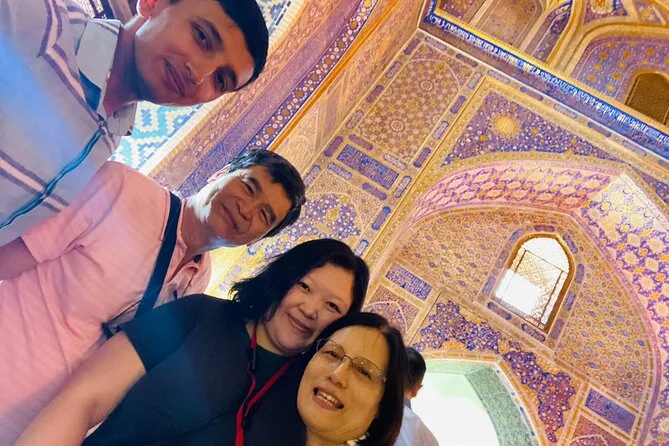
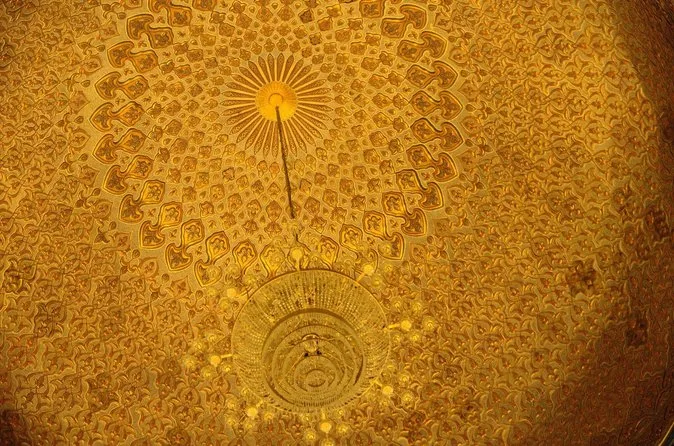
Inside Gur-e-Emir Mausoleum, the air felt cool and heavy with incense or maybe just old stone dust—I couldn’t tell. The ceiling looked like a midnight sky, all gold and deep blue; Azamat called it the “starry sky” room. He shared stories about Tamerlane that made him sound less like some distant conqueror and more like someone’s stubborn grandfather. I caught myself running my fingers along the carved patterns (probably not allowed), just feeling how smooth they’d gotten from centuries of hands.
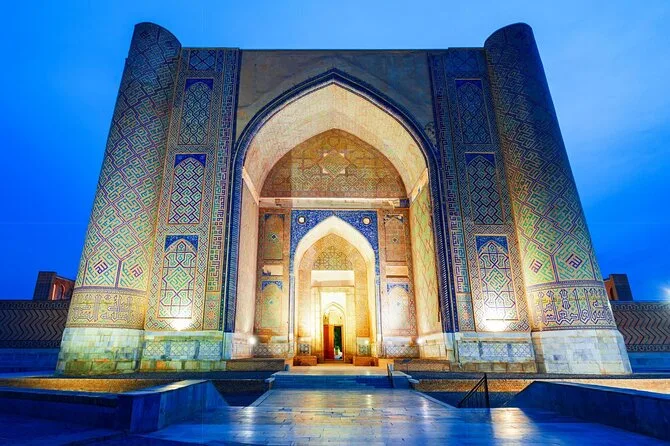
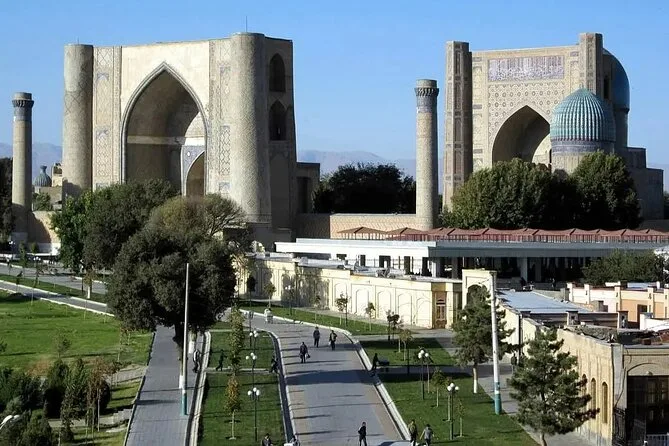
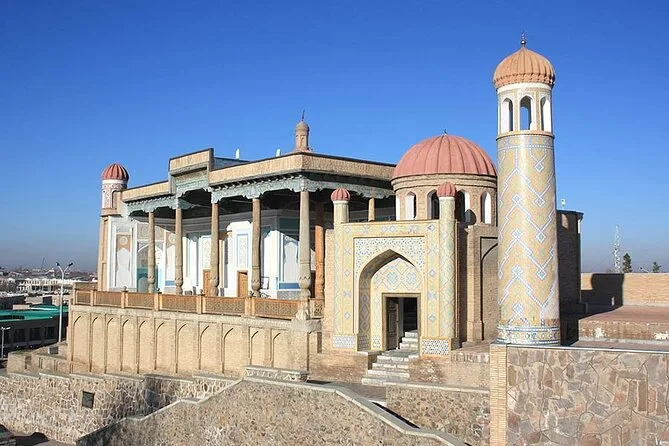
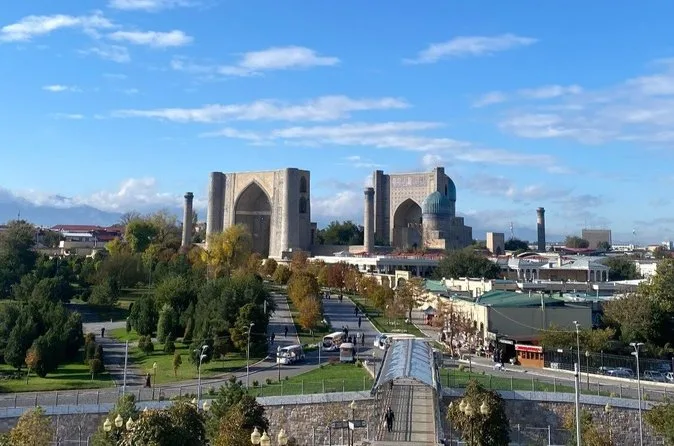
Bibi-Khanym Mosque looked massive from outside—Azamat joked that Amir Timur wanted it bigger than any mosque in the world but it nearly collapsed under its own weight. The dome was this impossible shade between turquoise and cloudless afternoon sky. We didn’t go inside there, but just standing in its shadow you could smell fresh bread from a nearby stall mixing with dust and sun-warmed bricks. At Hazrat Khizr Mosque, we stepped inside again—the hush in there felt different somehow, softer. Someone was praying quietly in a corner.
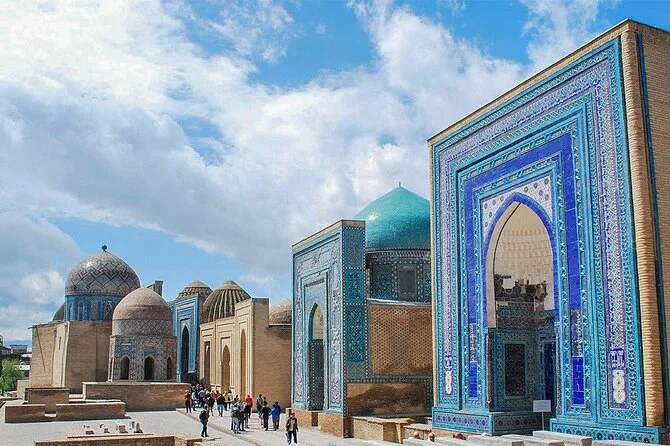
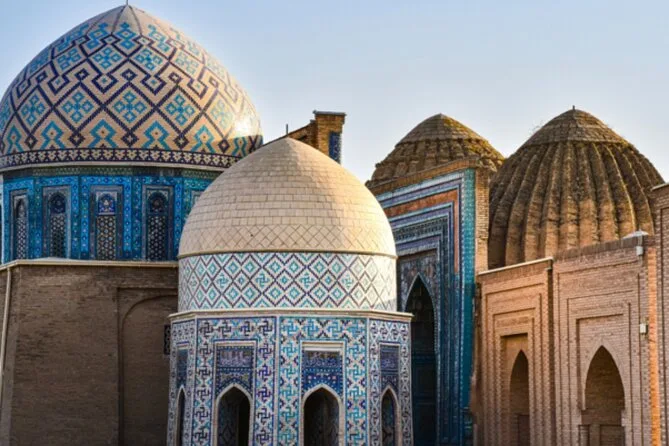
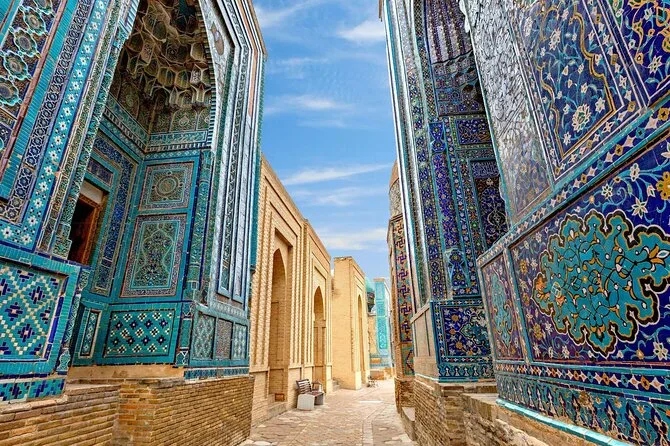
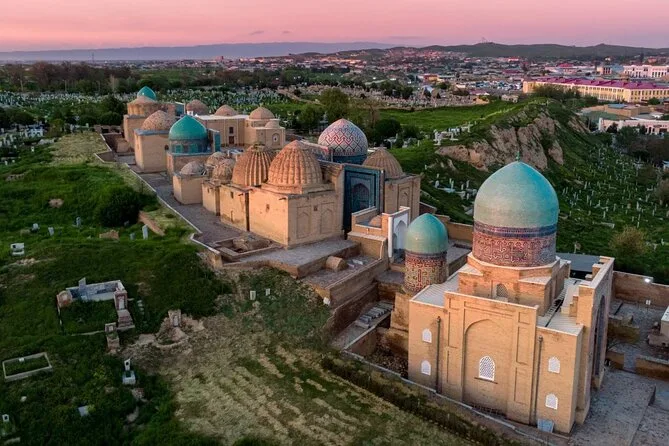
The last stop was Shah-i-Zinda Necropolis. There’s something about those narrow lanes lined with tilework that makes you feel small—in a good way? Azamat said people come here to remember their ancestors or ask for luck before exams (he grinned at that). I still think about the light slanting through one archway onto blue tiles—felt like stepping into another world for a second. Anyway, by then my legs were tired but my head was buzzing with stories.
 4h
4h

Step-by-step itinerary
Day 1 — Explore Samarkand's historic landmarks
- Visit Gur-e-Emir Mausoleum inside
- See Registan Square from outside
- View Bibi-Khanym Mosque from outside
- Enter Hazrat Khizr Mosque
- Walk around Shah-i-Zinda Necropolis

Top questions

How long is the Samarkand city walking tour?
The tour lasts several hours including walking time between sites; exact duration depends on pace and questions.
Which attractions are included in this Samarkand tour?
The tour covers Registan Square, Gur-e-Emir Mausoleum (inside), Bibi-Khanym Mosque (outside), Hazrat Khizr Mosque (inside), and Shah-i-Zinda Necropolis (outside).
Is this Samarkand walking tour suitable for children?
Infants and small children can join if they’re in a pram or stroller; moderate fitness is needed due to walking.
Are entry fees included for all sites?
The price includes guide service; check if entry fees are extra depending on booking details.
Is lunch provided during the Samarkand city tour?
No lunch is included; you’ll find food stalls near Bibi-Khanym Mosque if you want a snack during breaks.
Can travelers use public transportation to reach the meeting point?
Yes, public transportation options are available nearby for easy access to the starting location.
Are service animals allowed on this city tour?
Yes, service animals are allowed during the walking tour of Samarkand.

What’s included
Your day includes guided walks through Registan Square, inside visits at Gur-e-Emir Mausoleum and Hazrat Khizr Mosque, plus stops at Bibi-Khanym Mosque and Shah-i-Zinda Necropolis—all led by an experienced local guide who shares stories along every step.
 Super deal
  Free booking, free cancellation.
  Don't lose your place.


 Do you need help planning your next activity?


