


12-Day Vietnam Tour: Mekong Delta, Hoi An & Halong Bay


Summary
Vietnam Multi-Day Adventure: Floating Markets, Ancient Towns & Mountain Treks
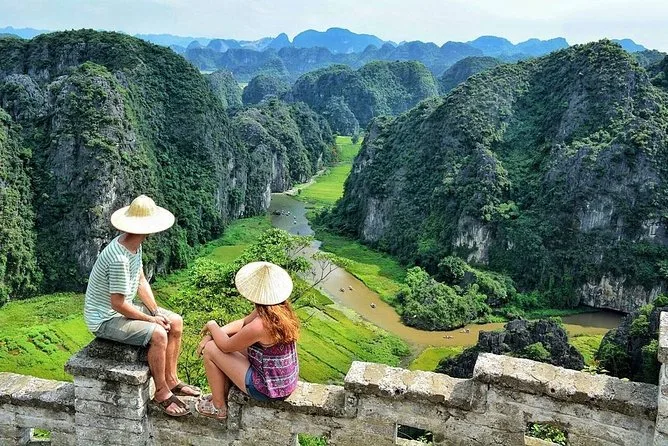
If you want real variety—from floating markets at sunrise to mountain treks among rice terraces—this 12-day Vietnam tour covers it all without feeling rushed or touristy. You’ll eat street food elbow-to-elbow with locals, cruise among limestone islands in Halong Bay, explore ancient towns lit by lanterns, meet ethnic minority families in Sapa…and still have time for strong coffee breaks along the way!

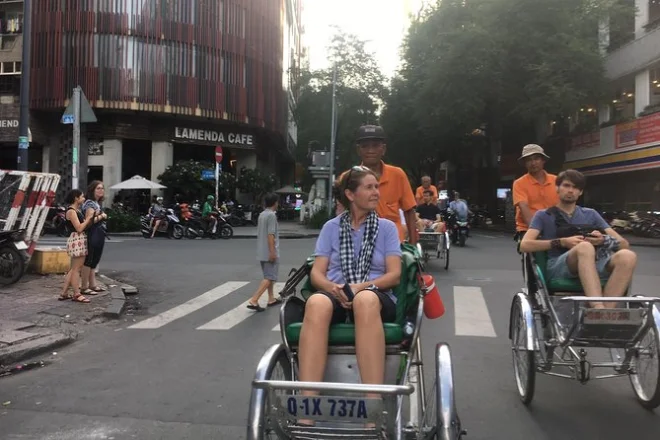
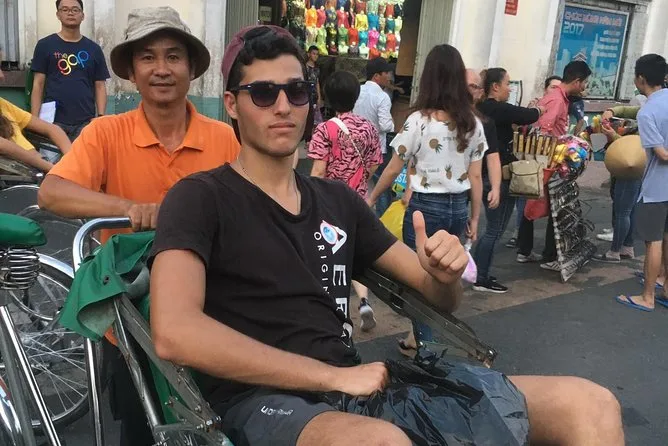
Landing in Ho Chi Minh City, the air felt thick and warm—classic southern Vietnam. Our guide was waiting right outside customs, waving a little sign with my name. The drive into town zipped by; scooters everywhere, neon signs flickering on as dusk settled. After a quick hotel check-in and a splash of cold water on my face, we hopped onto a xích lô (cyclo) for an hour’s ride through the city center. It’s noisy but kind of soothing—the hum of engines mixed with laughter from sidewalk cafés. At the Water Puppet Theater, I squeezed into a seat between two local families and watched wooden puppets dance across the water stage. The show was all about farmers’ lives and old legends—honestly, I didn’t catch every detail but it was oddly mesmerizing. Dinner that night? A simple bowl of phở at a tiny spot nearby—herbs so fresh they almost stung my nose.
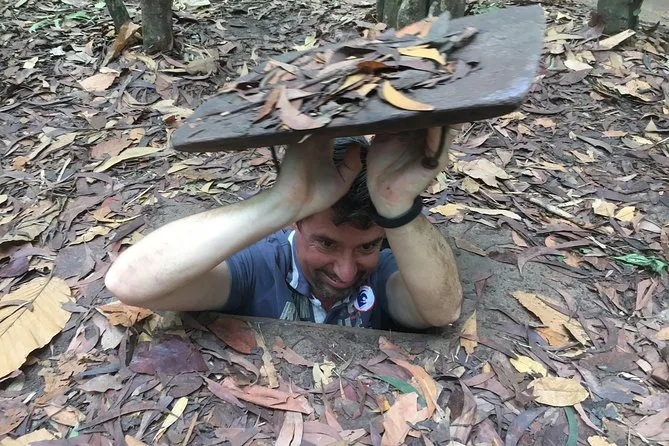
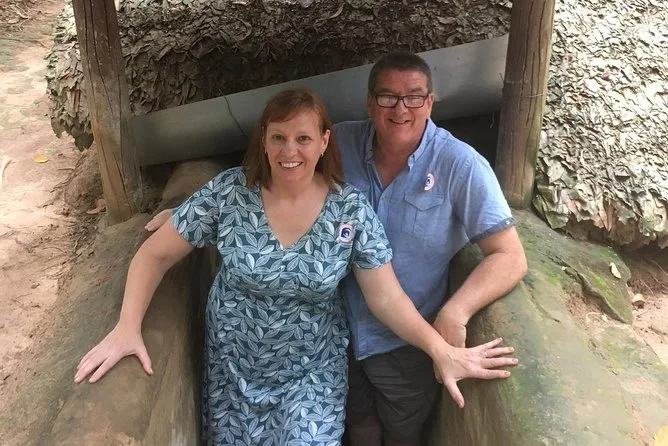
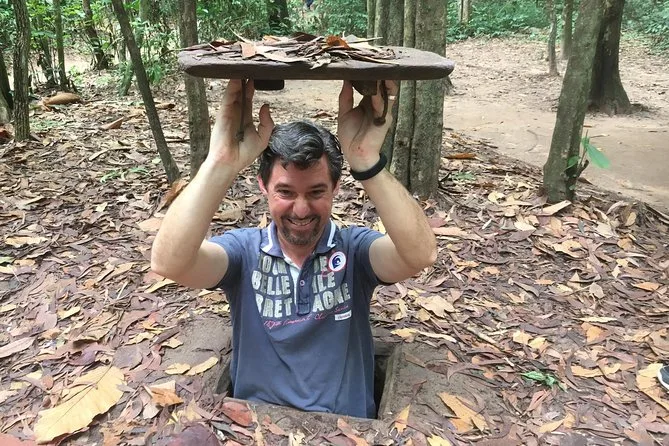
The next morning started early—off to the Cu Chi Tunnels. The drive out took about 90 minutes; our guide filled us in on war stories and pointed out rubber plantations along the way. Walking through those narrow tunnels (I’m not tall but still had to crouch!) gave me chills thinking about what people endured here. We tried boiled manioc root—the same stuff guerrilla fighters ate—and it tasted earthy and plain, but somehow comforting after all that history.
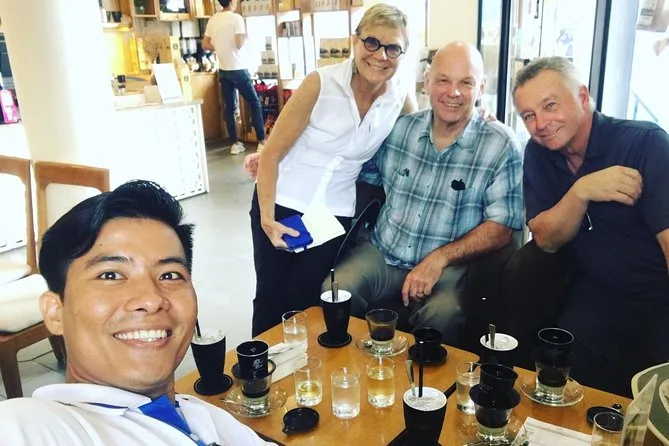
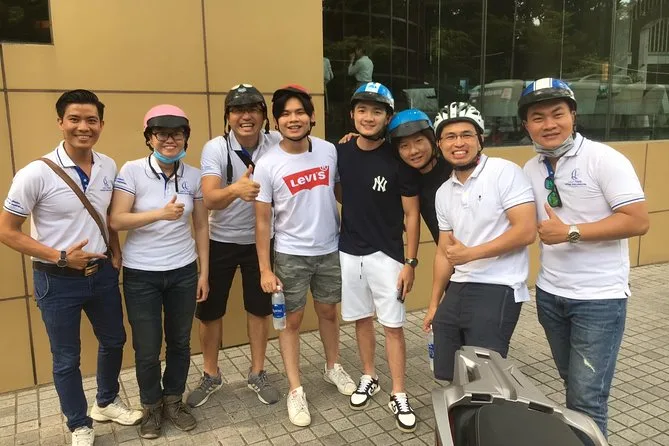
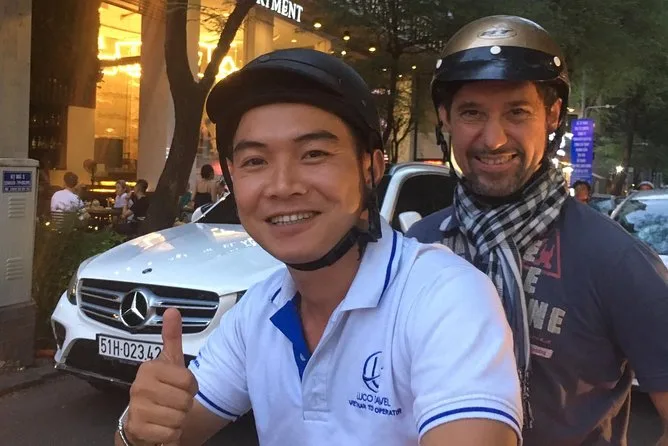
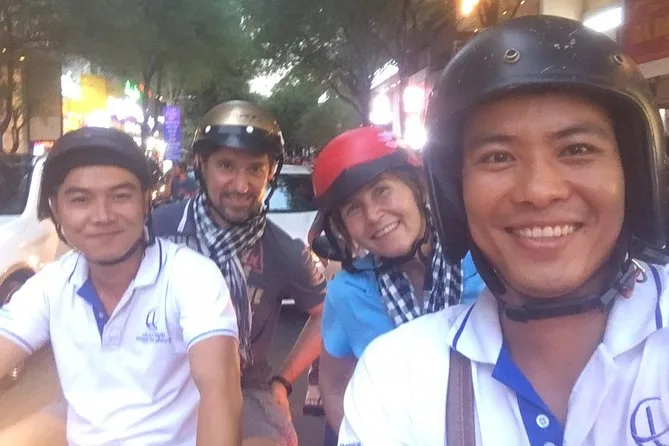
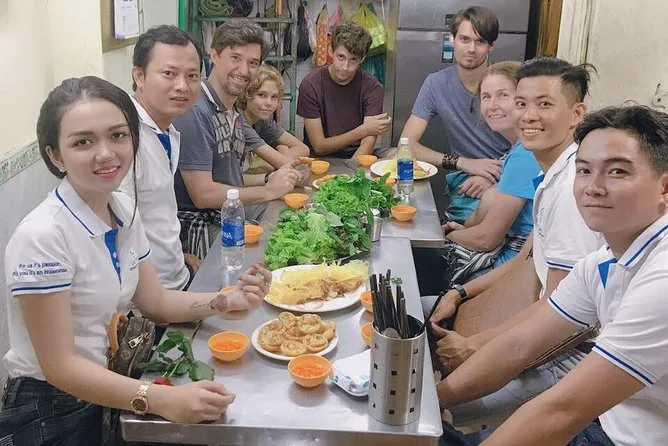
Back in Saigon by late afternoon, we geared up for a street food tour by scooter. Riding pillion through rush hour is wild—traffic flows like water around you, horns beeping but nobody angry. Our first stop: crispy bánh xèo pancakes sizzling on a griddle in an alleyway where plastic stools line the curb. We learned to wrap them with herbs and dip them in fish sauce—messy but delicious. Later, our guide led us into an old apartment block (“chung cư”) for coffee at a tucked-away shop with no sign outside; the drip coffee here is strong enough to keep you up all night.
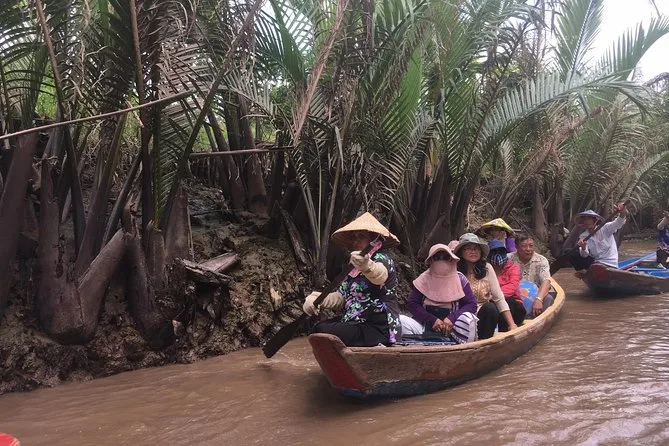
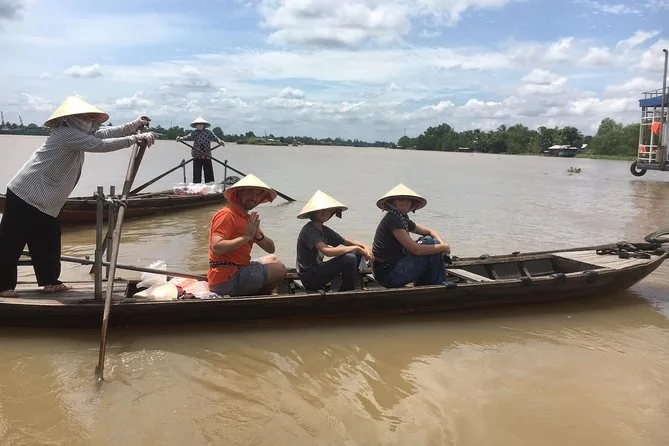
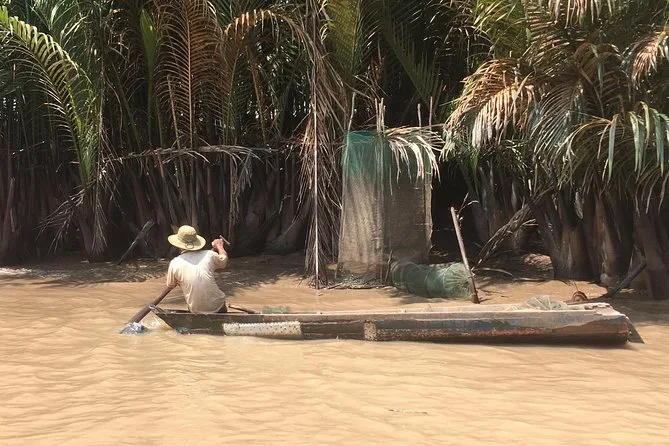
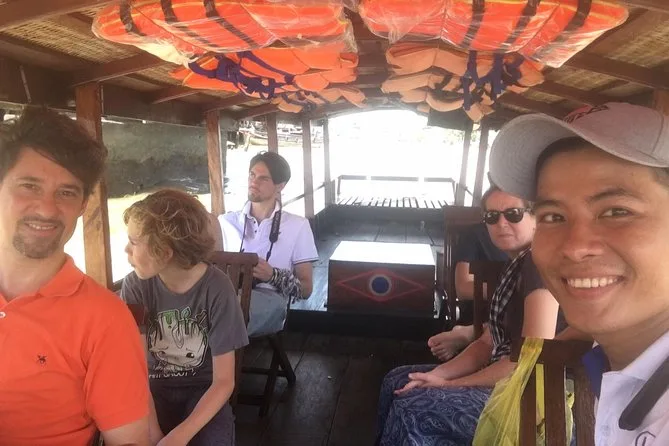
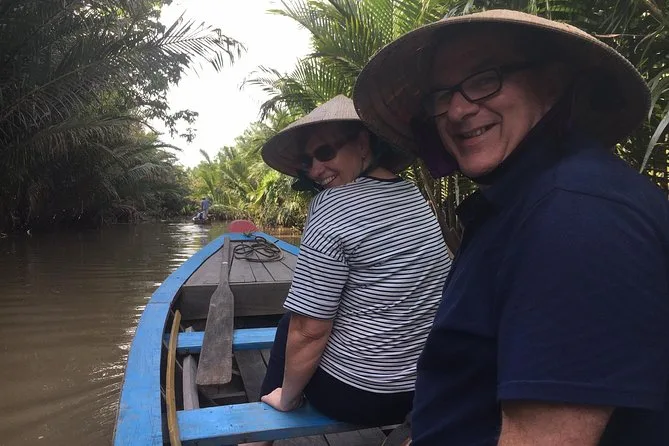
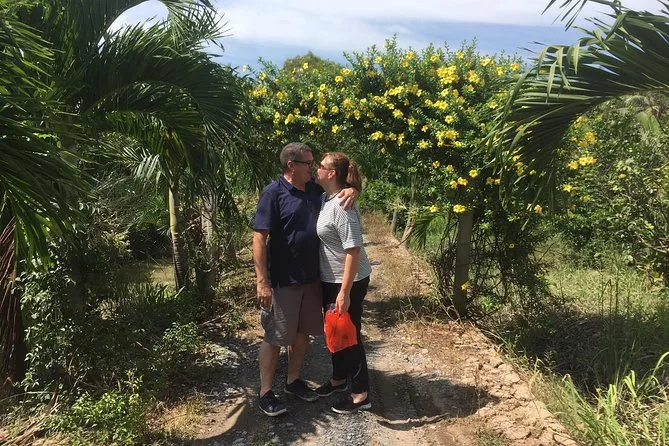
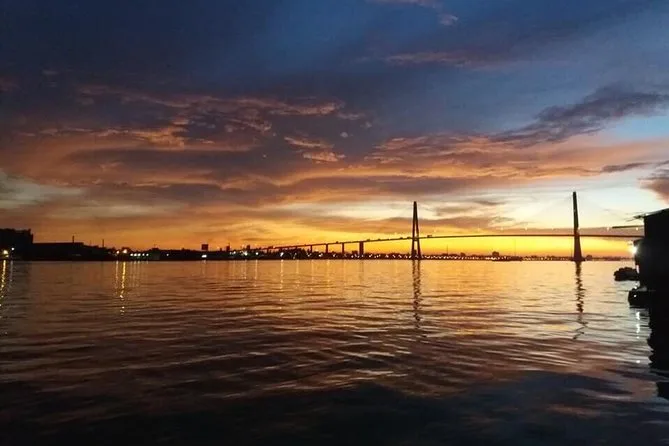
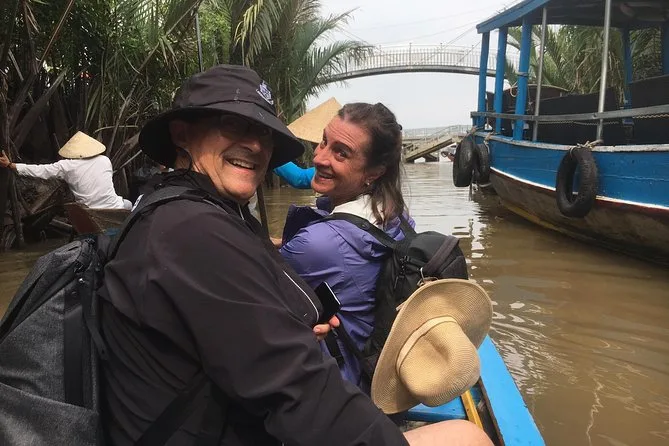
The next day we left for My Tho in the Mekong Delta—a couple hours south by bus with a quick pit stop at a roadside bonsai garden (the air smelled faintly sweet from blooming flowers). Vinh Trang Pagoda stood out with its mix of Vietnamese and Khmer details; monks moved quietly between golden statues inside. We boarded a motorboat down the Tien River past floating fish farms and stilt houses painted bright blue or green. On Thoi Son Island, locals handed us nón lá hats before we tried rowing sampans under arching coconut palms—my arms got tired fast! At one point we sipped honey tea at a bee farm while someone played folk music nearby; later I even held a python (not for everyone). Lunch was fresh river fish and tropical fruit eaten outdoors under mango trees.
After lunch came Ben Tre’s coconut candy workshop—the smell of caramelized sugar hung thick in the air—and then a horse cart ride through sleepy backroads before heading to Can Tho for the night.
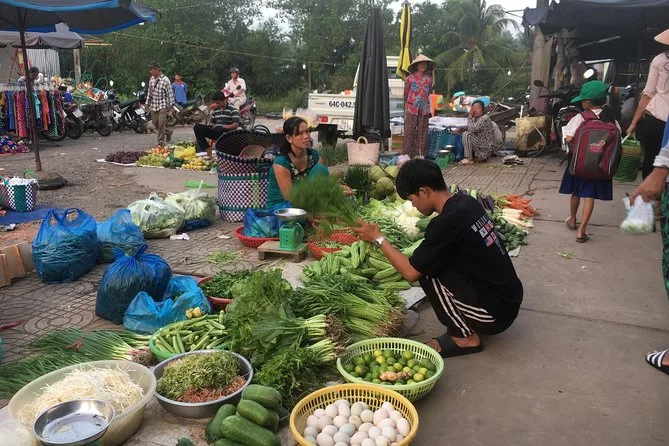
The highlight next morning was Cai Rang Floating Market: boats everywhere selling pineapples, melons, even iced coffee straight from coolers on deck. Our guide explained that sellers hang their wares on long poles so buyers know what’s available from afar—a clever system I’d never seen before. We stopped to watch rice noodles being made by hand (steam everywhere), then crossed one of those wobbly “monkey bridges” made from just bamboo poles—definitely tested my balance! Lunch at Can Tho market was loud and lively; afterward we drove back to Ho Chi Minh City.
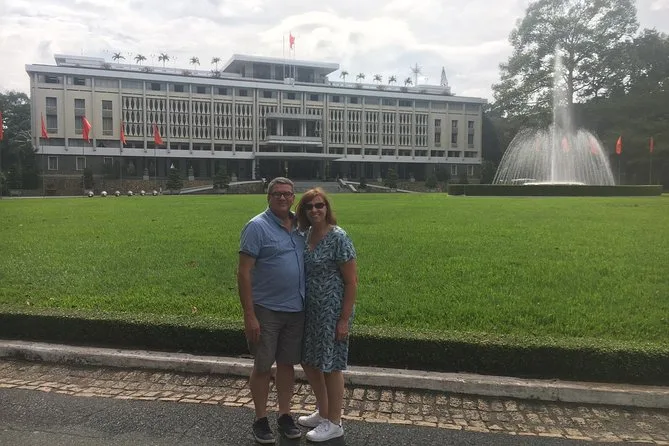
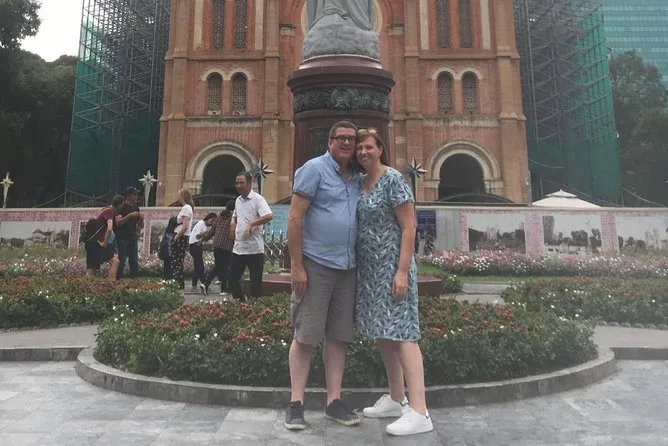
Before leaving southern Vietnam behind, we toured some heavy-hitting sites: War Remnants Museum (the photos inside are tough but important), Notre Dame Cathedral with its twin spires reaching above traffic, and Reunification Palace where history feels very close to the surface. After lunch it was off to Da Nang by plane—a short hop northward.
Hoi An greeted us with lanterns glowing over quiet streets lined with yellow merchant houses. We wandered past tailors’ shops and tiny temples; crossing the Japanese Covered Bridge felt like stepping back centuries. The next day brought Ba Na Hills’ cable car ride—mist swirling below as we climbed higher—and that famous Golden Bridge held up by giant stone hands (it’s busy but worth seeing). Marble Mountains were another surprise: cool caves echoing with footsteps, incense curling up from pagodas tucked into limestone cliffs.
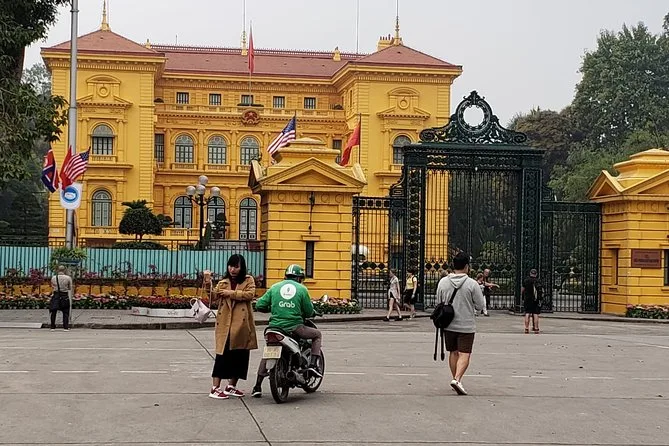
Flying north again landed us in Hanoi’s Old Quarter—a maze of narrow streets where scooters dart between vendors selling everything from silk scarves to grilled corn on cob. We visited Ho Chi Minh’s Mausoleum complex (guards everywhere), peeked into his simple stilt house, then walked around West Lake where locals jogged past lotus ponds even in midday heat.
The Vietnam Museum of Ethnology gave real insight into how many different cultures call this country home—our guide pointed out details I’d have missed alone (like how each ethnic group builds their houses differently). Hoa Lo Prison (“Hanoi Hilton”) felt somber; seeing old cells and reading stories made history hit home.
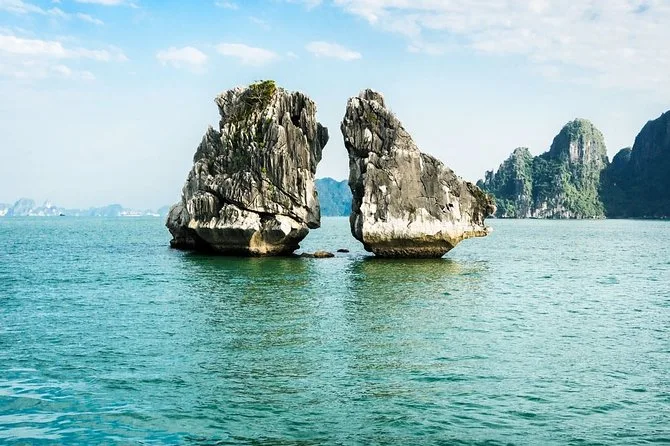
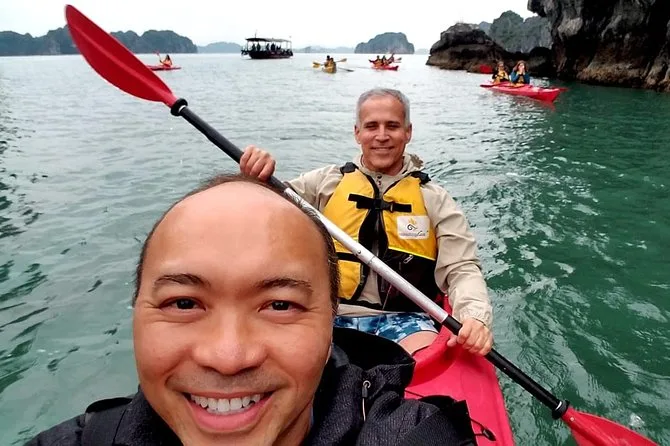
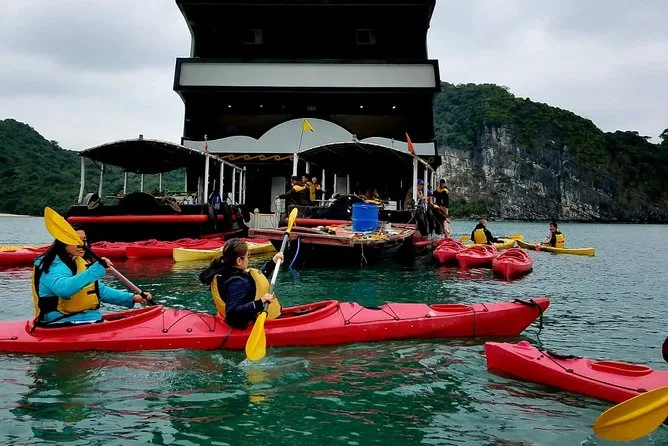
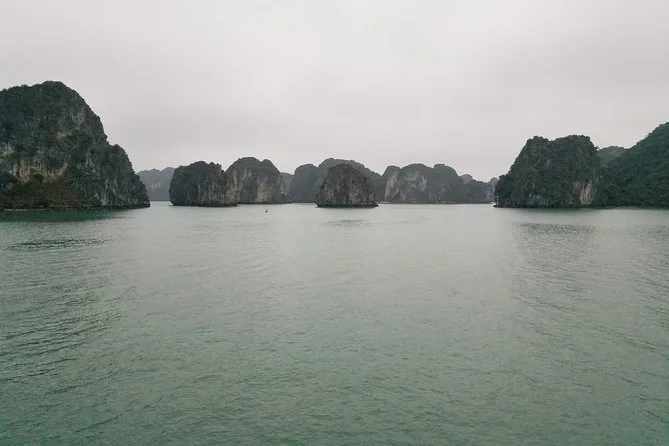
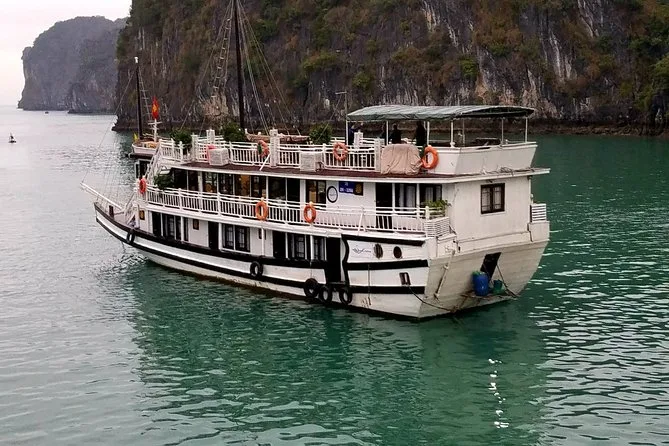
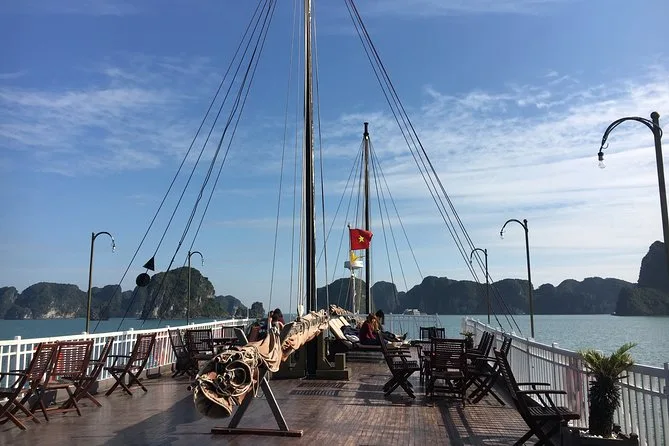
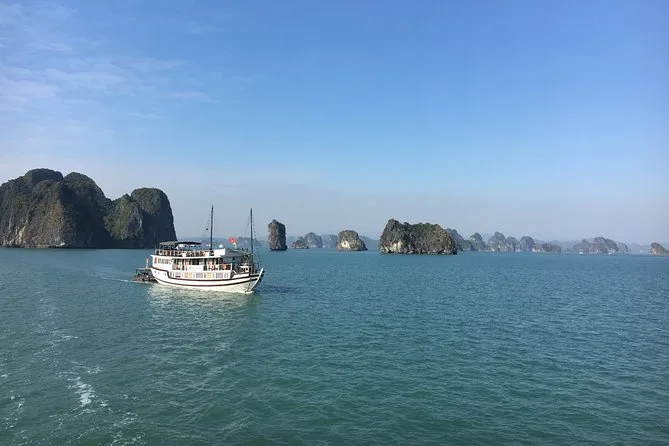
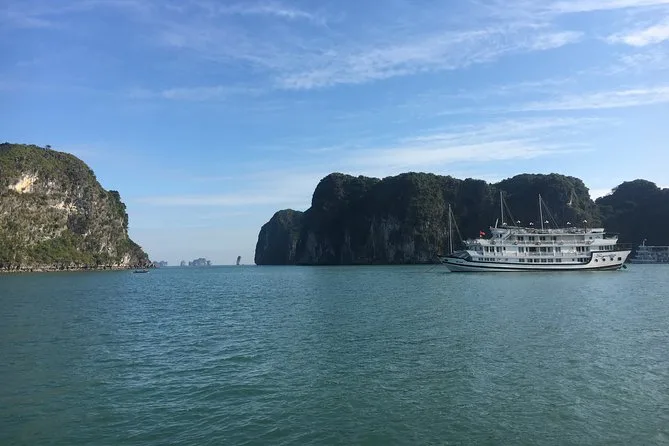
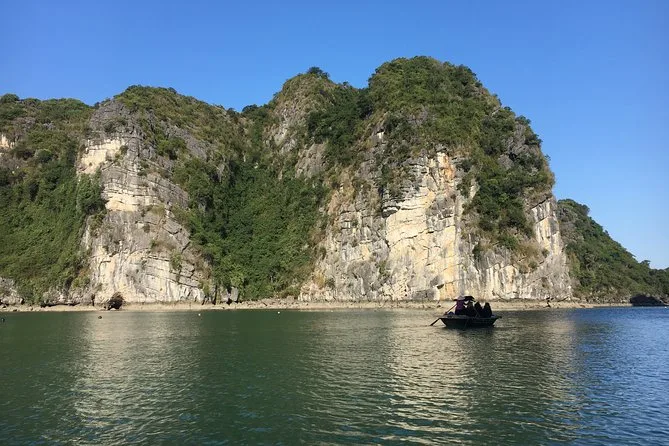
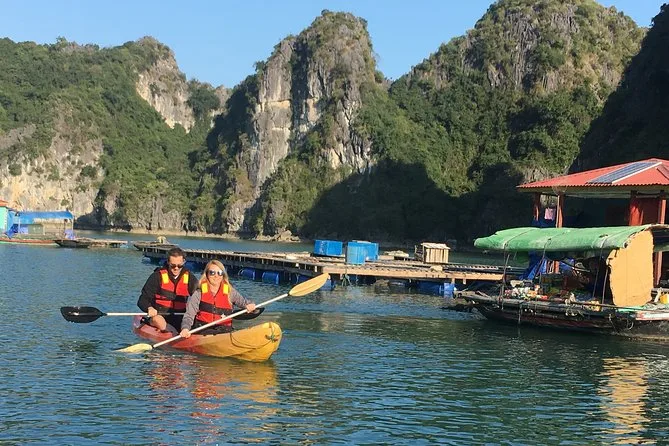
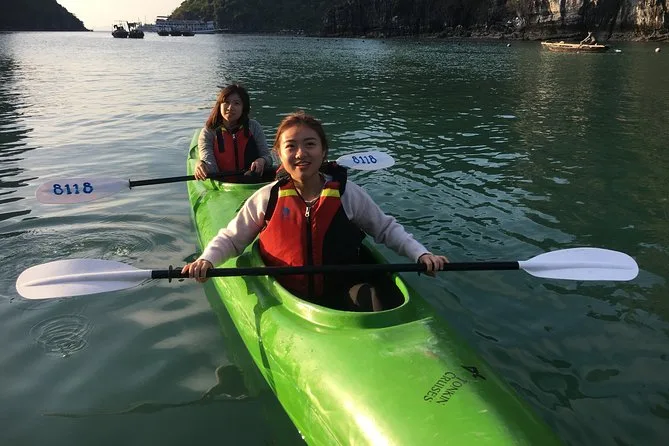
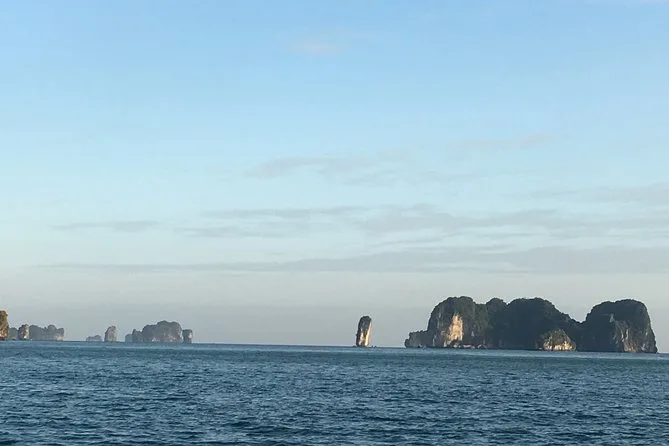
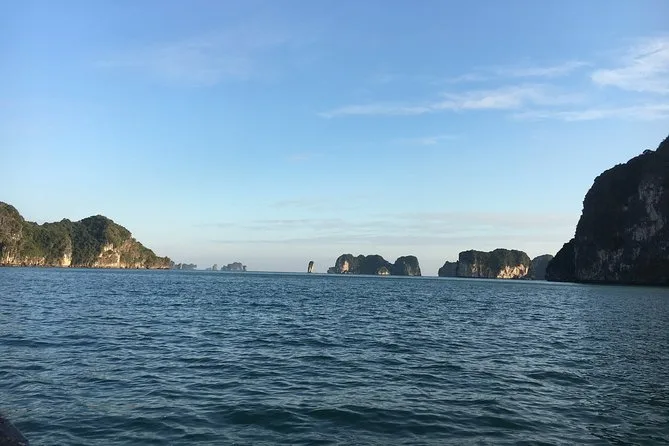
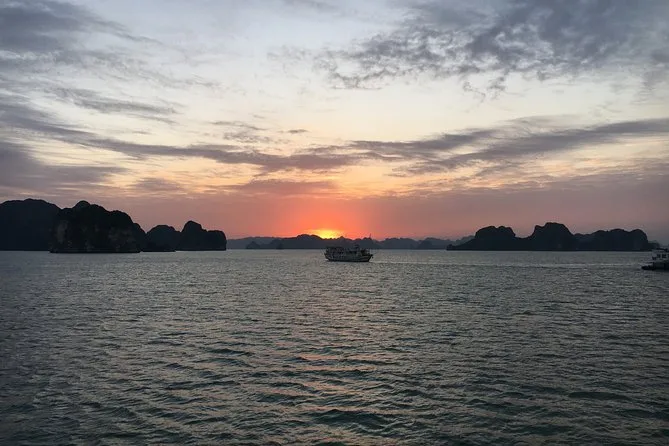
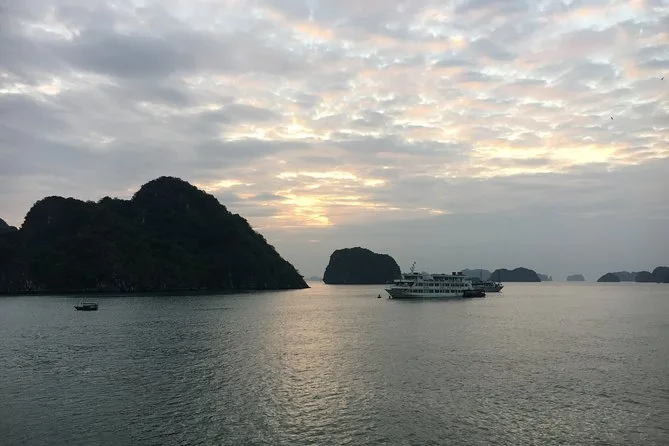
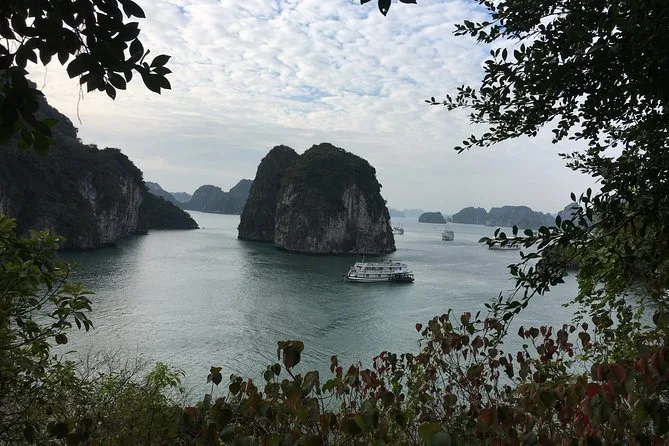
Next came Halong Bay—a long drive east broken up by roadside markets selling jackfruit chips and green tea candies. Boarding our overnight cruise felt special; cabins were cozy with big windows looking out over emerald water dotted with limestone islands rising straight up like something from another planet. Kayaking near Vung Vieng Fishing Village let us get close to floating homes where kids waved as we paddled past; sunset on deck was peaceful except for distant calls from fishermen heading home.
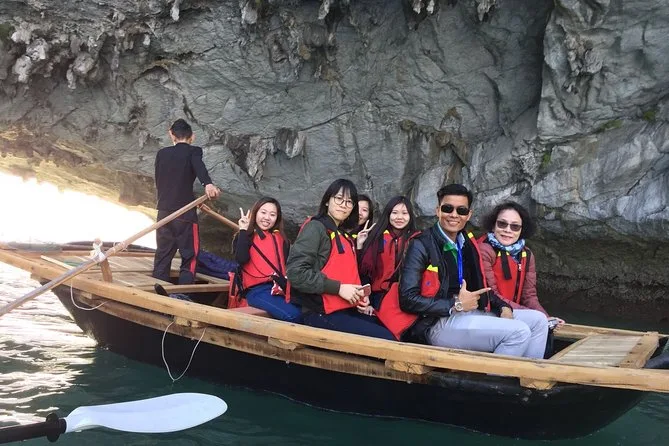
The following morning started early with Tai Chi on deck (I mostly just stretched), then breakfast as mist lifted off the bay’s surface. Exploring Thien Canh Son Cave meant ducking under low ceilings into chambers full of stalactites—it smelled damp and earthy inside. After lunch onboard we headed back toward Hanoi before catching an overnight train north toward Sapa.
Sapa mornings are chilly—even in summer there’s fog clinging to terraced hillsides outside Lao Cai station at dawn. Breakfast was hot tea and sticky rice cakes before driving up winding roads to Sapa town itself. Trekking down into Cat Cat Village meant passing waterfalls and fields where Black H’mong women worked wearing indigo-dyed clothes; kids ran alongside us giggling “hello!” Lunch was simple stir-fried greens and pork at a family-run spot before checking into our homestay in Lao Chai village—wooden floors creaked underfoot but beds were warm.
An afternoon walk through Ta Van brought more encounters: elders weaving hemp cloth outside their homes invited us to try spinning thread ourselves (harder than it looks). Roosters woke me early next day; breakfast included fried eggs cooked over an open fire while mist rolled off rice terraces below.
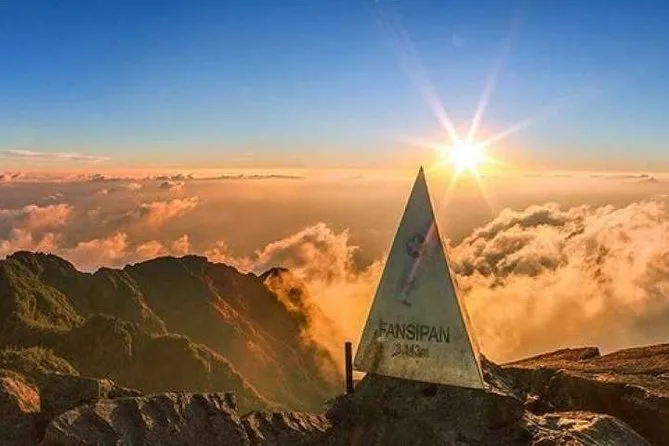
We visited several H’mong families who shared stories about mountain life—our guide translated patiently while offering shots of homemade corn wine (strong stuff!). By noon it was time for Fansipan Mountain—the “Roof of Indochina.” The cable car soared above valleys dotted with tiny villages; stepping onto the peak at 3,143 meters felt surreal—the wind whipped hard but views stretched forever when clouds parted for just a moment.
A limousine van whisked us back to Hanoi that evening—tired but happy—to rest one last night before departure day arrived too soon.
I spent my final morning sipping Trung Nguyen Legend coffee at a busy café near Dong Xuan Market—locals chatting loudly over tiny cups—and picked up some beans as souvenirs for friends back home. Lunch was classic phở again (can’t get enough) before heading off to catch my flight home… already plotting when I’ll return.
 12d
12d

Step-by-step itinerary
Day 1 — Arrival & Water Puppet Show
- Airport pickup and hotel check-in
- Evening Xich Lo ride and Water Puppet Show with dinner
Day 2 — Cu Chi Tunnels & Street Food Tour
- Visit Cu Chi Tunnels and try manioc
- Evening bike ride and street food tasting
- Explore Chung cư and coffee tasting
Day 3 — Mekong Delta: My Tho to Can Tho
- Drive to My Tho and rest stop
- Visit Vinh Trang Pagoda
- Boat ride on Tien River
- Walk on Thoi Son Island and visit honey farm
- Visit coconut candy workshop and village bike ride
- Transfer to Can Tho and hotel check-in
Day 4 — Cai Rang Floating Market & Return
- Boat tour of Cai Rang Floating Market
- Village trek, Can Tho market visit, and drive to Saigon
Day 5 — Ho Chi Minh City & Flight to Hoi An
- Visit War Remnants Museum
- Visit US Embassy, Notre Dame Cathedral, Old Post Office
- Visit Reunification Palace and lunch
- Flight to Da Nang and transfer to Hoi An
- Walk in Hoi An Ancient Town
Day 6 — Ba Na Hills & Marble Mountains
- Visit Ba Na Hills and Fantasy Park
- Explore King Peak and Golden Bridge
- Visit Marble Mountains and Stone Carving Village
Day 7 — Flight to Hanoi & City Tour
- Flight to Hanoi and transfer to Old Quarter
- Visit Ho Chi Minh Complex and Temple of Literature
- Visit Vietnam Museum of Ethnology
- Visit Hoa Lo Prison
- Visit Hoan Kiem Lake and Old Quarter
Day 8 — Ha Long Bay Cruise
- Drive to Ha Long Bay and embark cruise
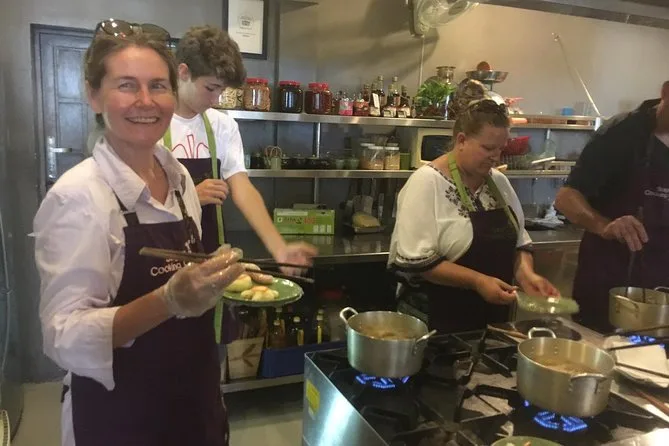
- Cruise Bai Tu Long Bay, visit fishing village, cooking class, dinner
Day 9 — Ha Long Bay & Train to Sapa
- Visit Thien Canh Son Cave and relax on cruise
- Cruise back to shore and transfer to Hanoi
- Evening train to Sapa
Day 10 — Sapa Trekking & Villages
- Trek Cat Cat Village and visit hydroelectric station
- Trek Lao Chai and Ta Van Villages
Day 11 — Fansipan Mountain & Return to Hanoi
- Morning trek and visit H’mong families
- Cable car to Fansipan Peak
- Limousine van back to Hanoi and hotel check-in
Day 12 — Departure Day
- Coffee shop visit, lunch with Phở, shopping, and airport transfer

Top questions

What’s included
 Super deal
  Free booking, free cancellation.
  Don't lose your place.


 Do you need help planning your next activity?


