


Ha Giang: Open-Air Jeep Tour, Dong Van Plateau & Ethnic Villages


Summary
Ha Giang’s wild passes, village dinners and open-air jeep rides
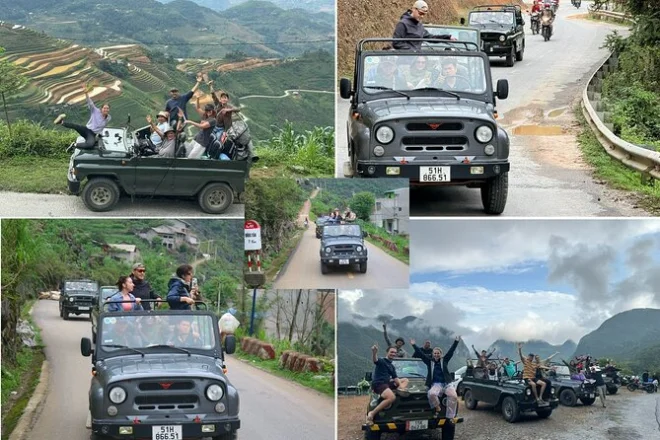
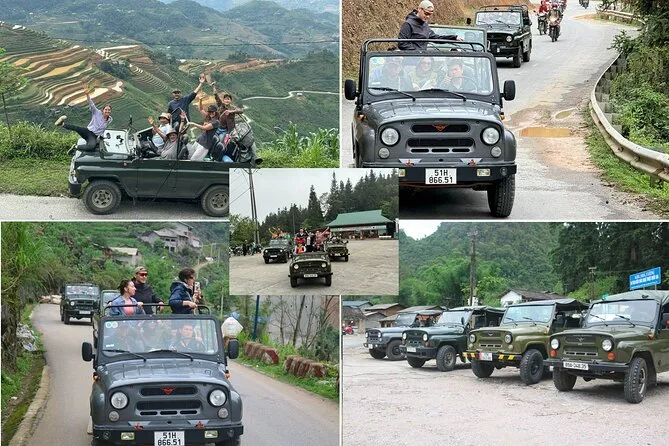
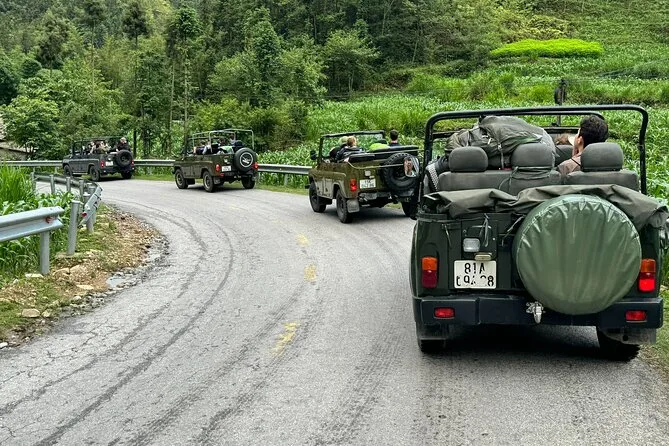
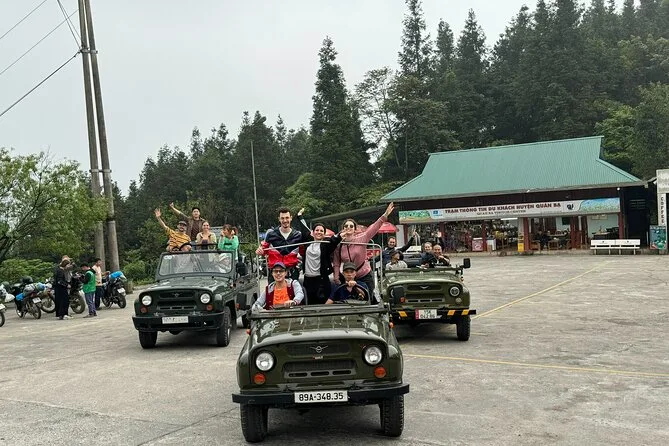
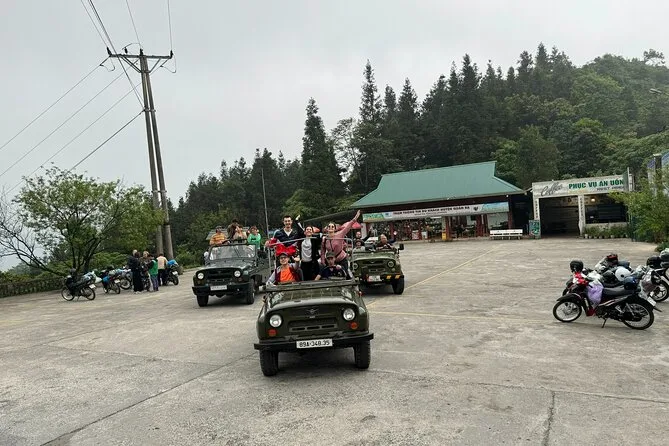
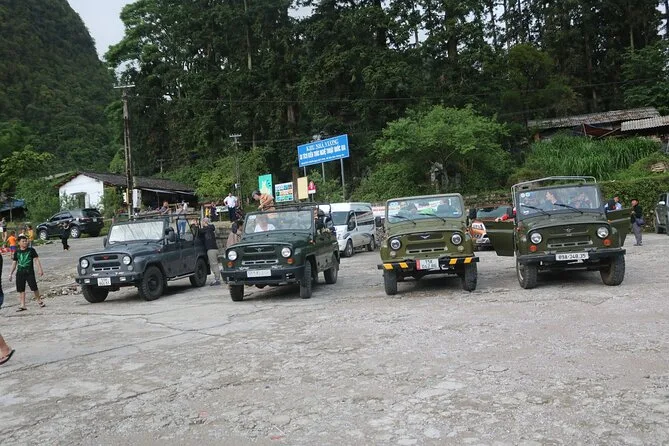
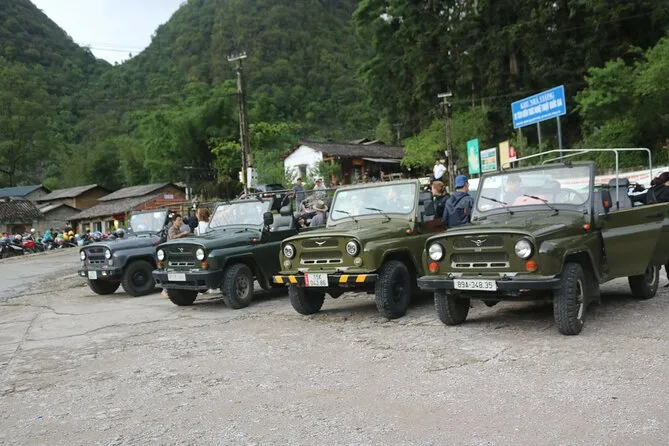
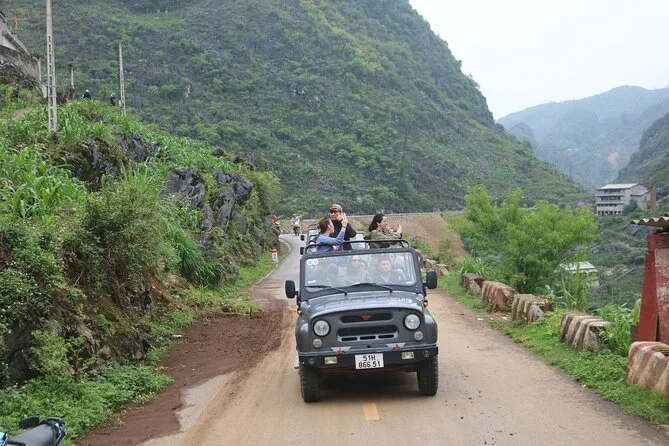
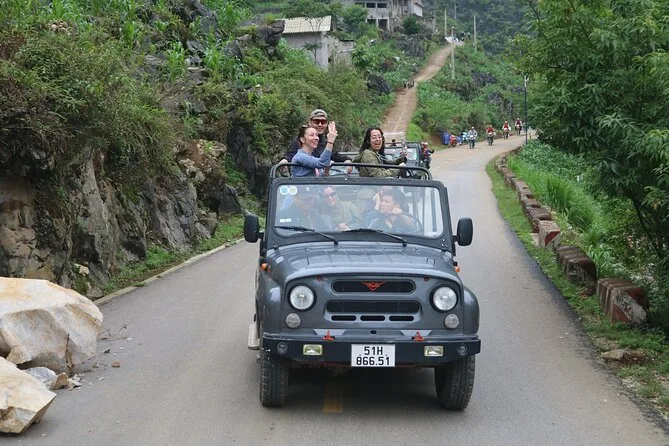
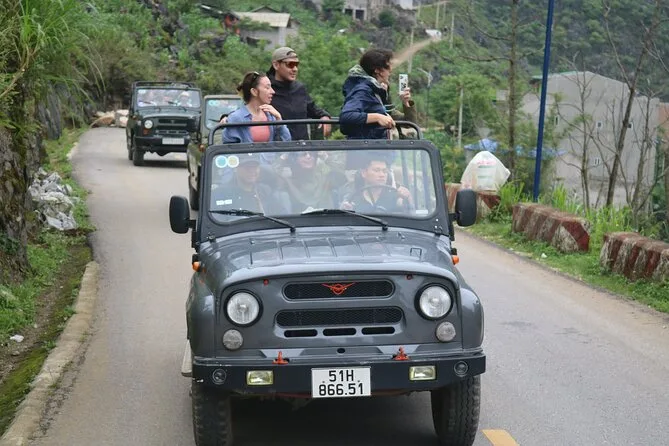
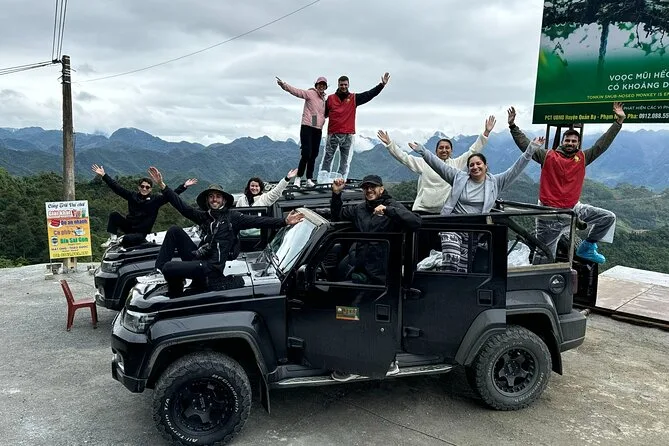
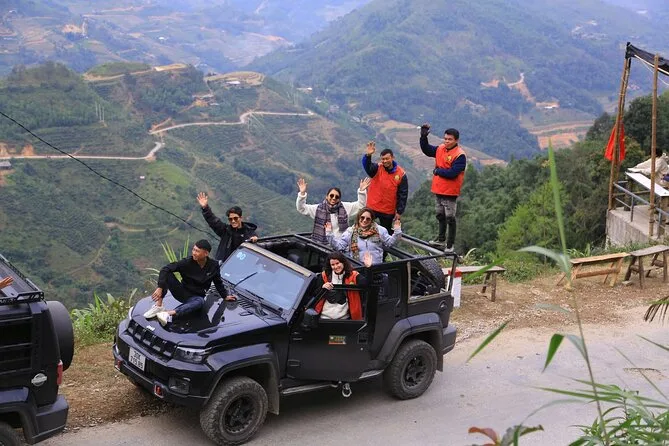
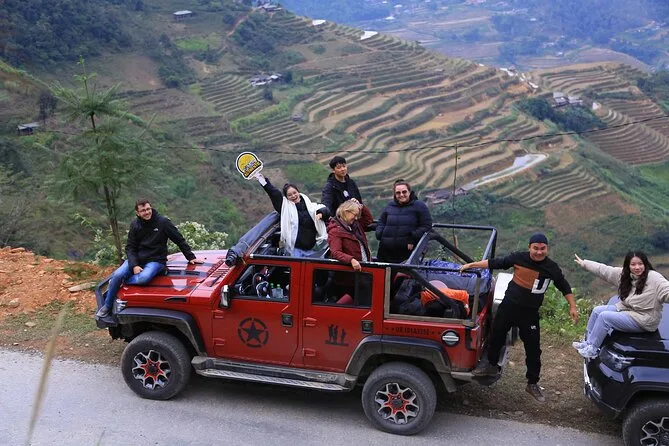
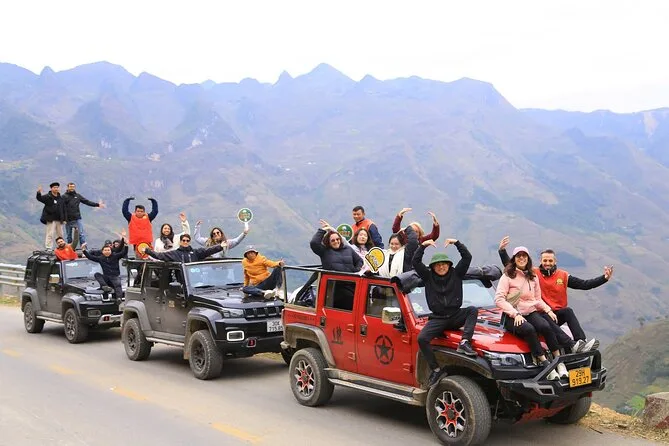
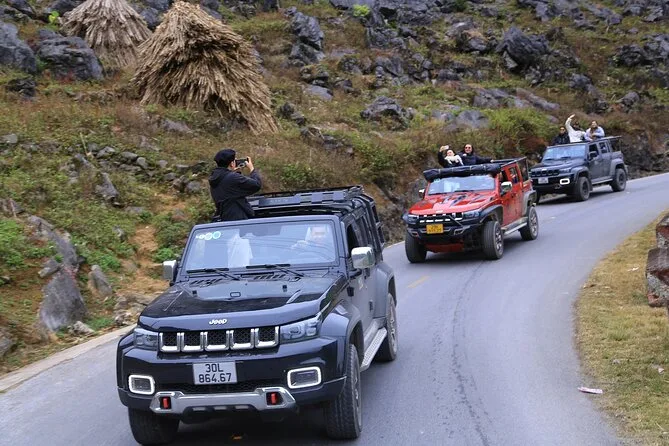
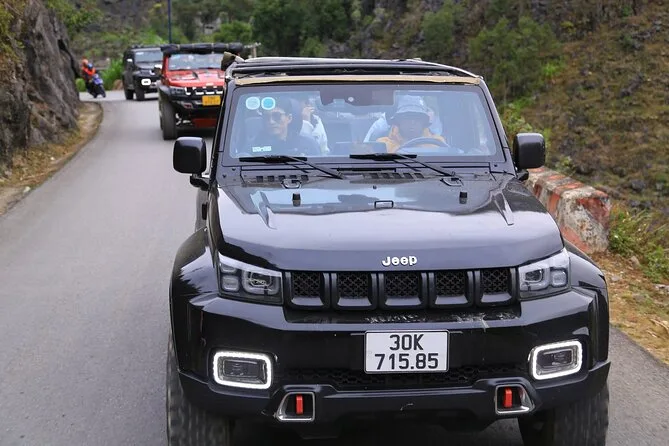
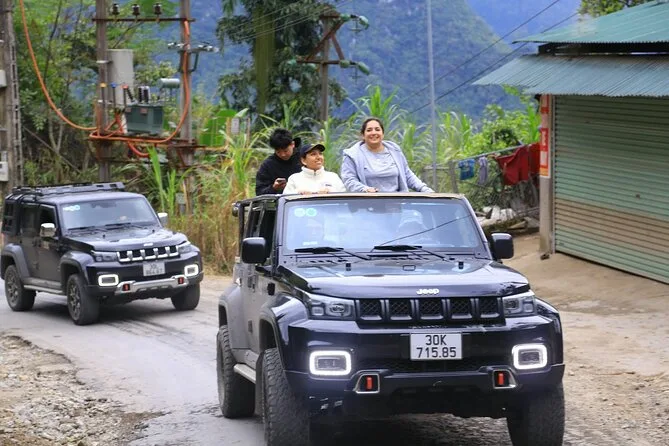
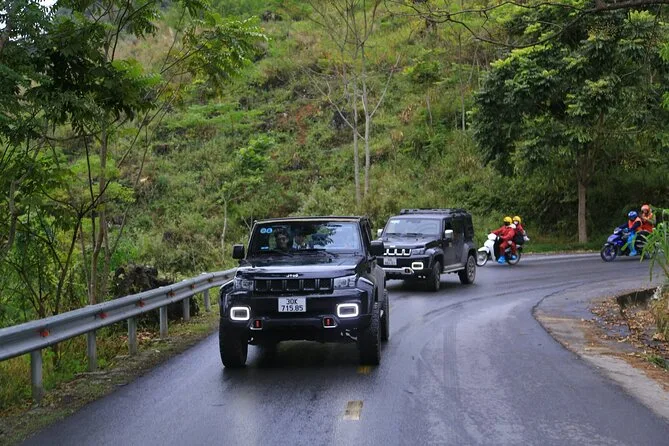
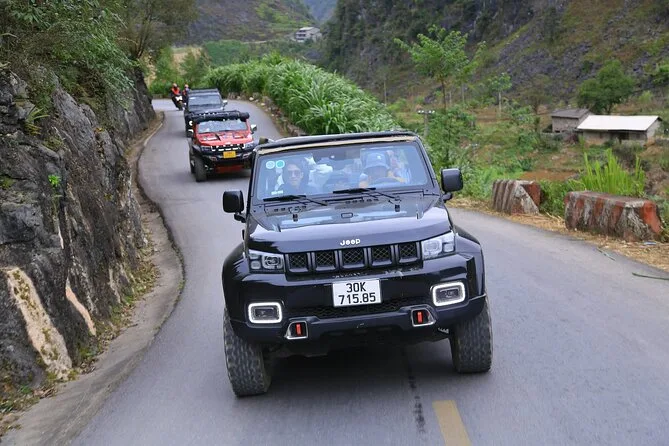
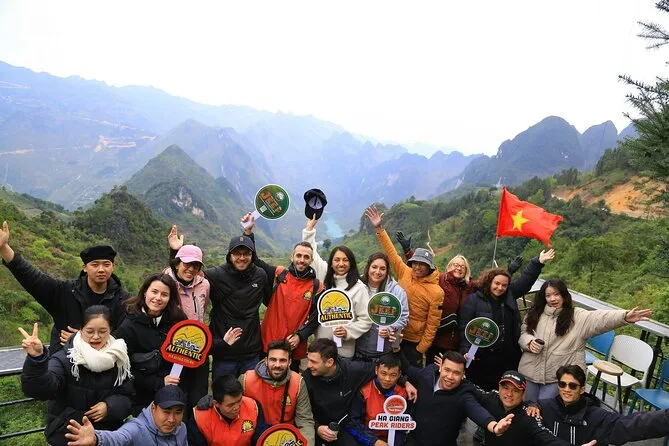
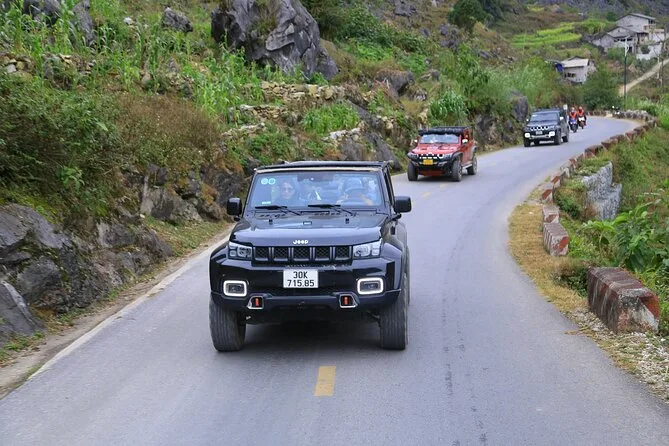
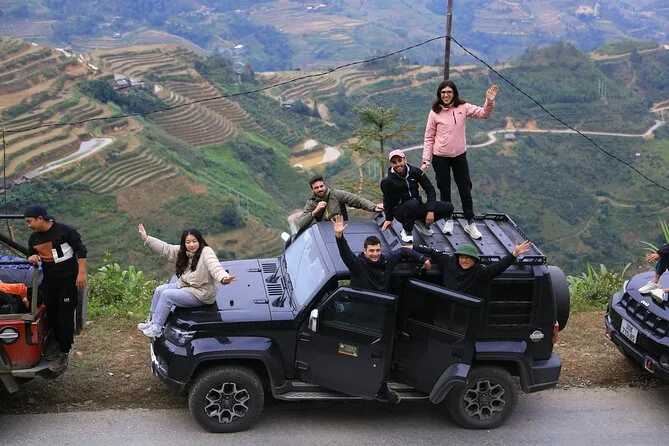
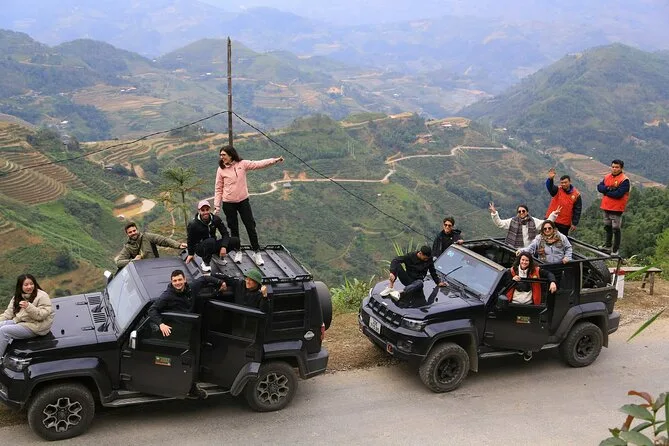
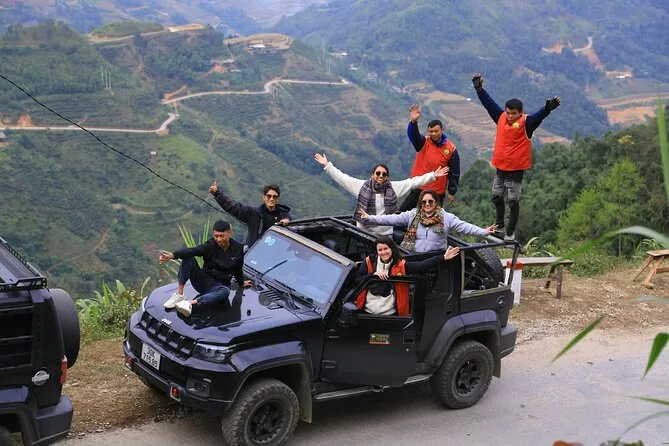
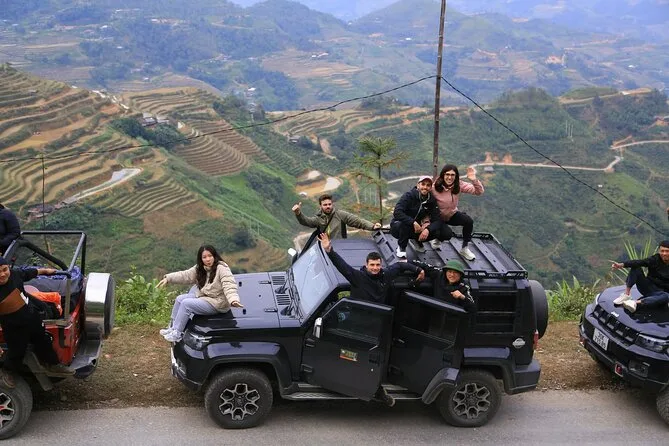
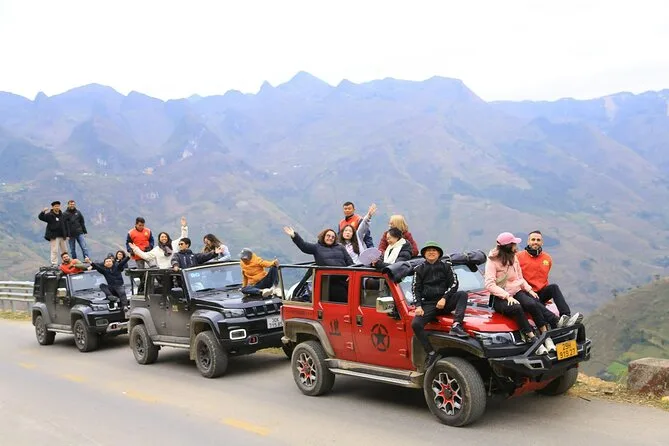
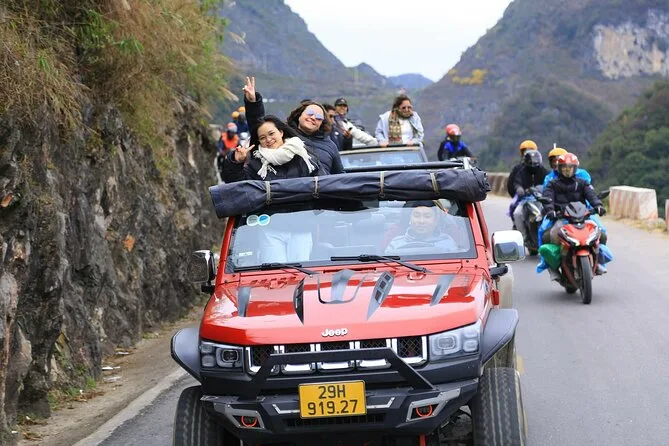
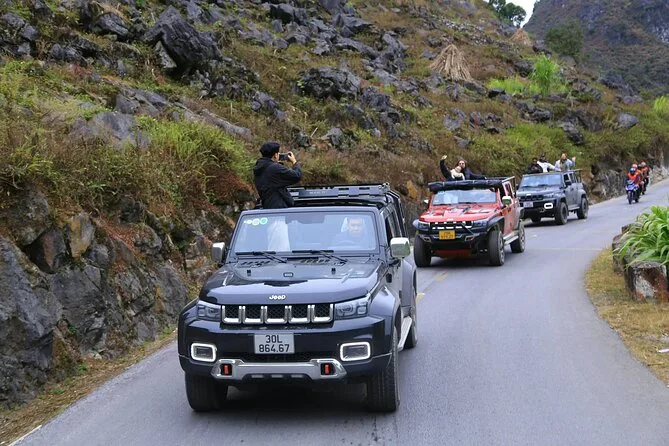
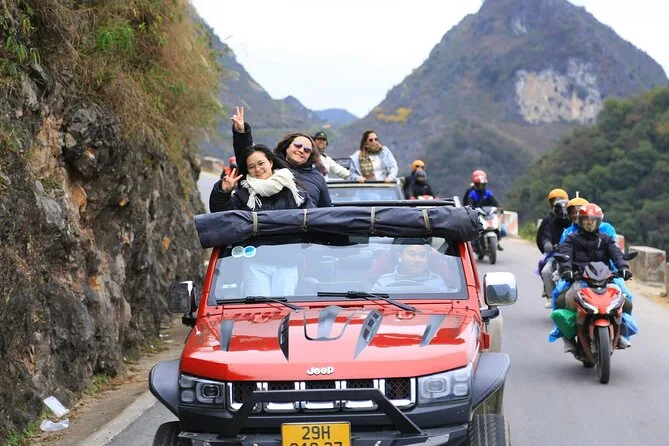
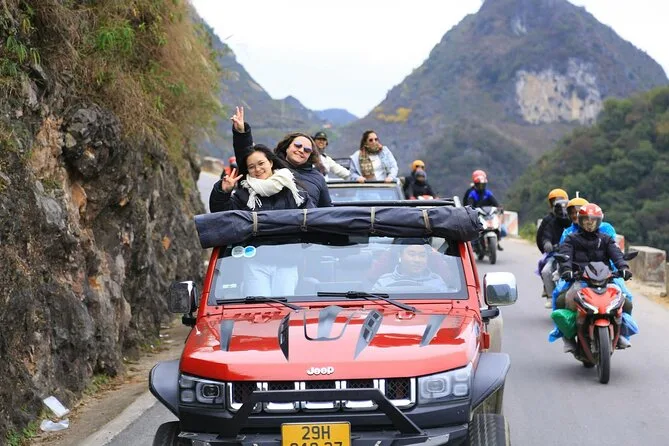
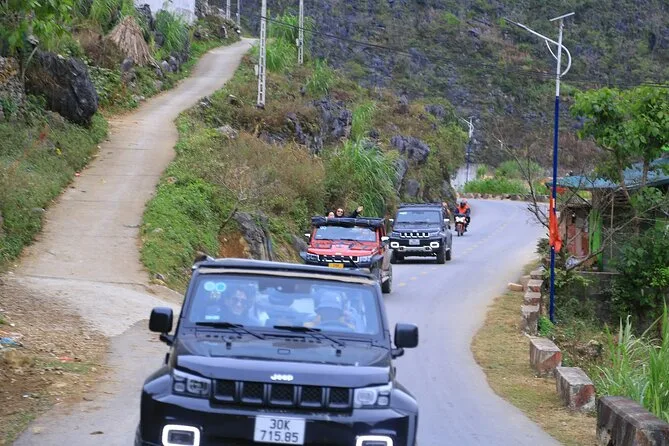
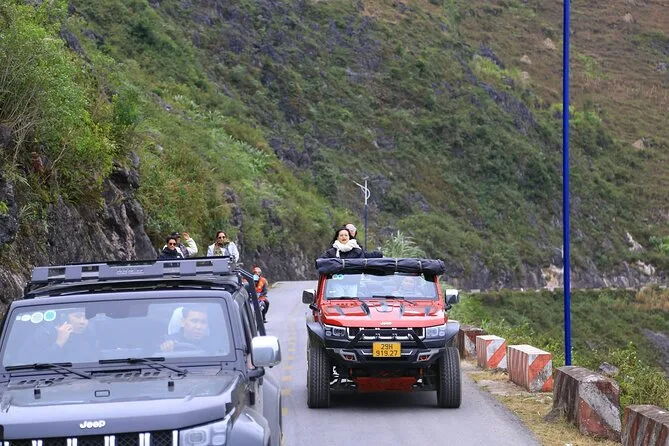
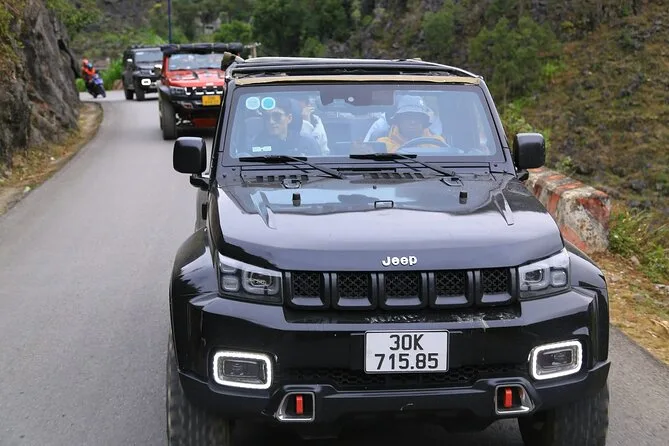
You’ll ride open-air jeeps through Ha Giang’s wildest passes, share home-cooked meals with local families in ethnic villages, and stand above the Nho Que river where the wind almost steals your words. Expect pickup in Ha Giang city, all meals covered—including “happy water”—and nights spent in traditional houses that feel more like homes than hotels.

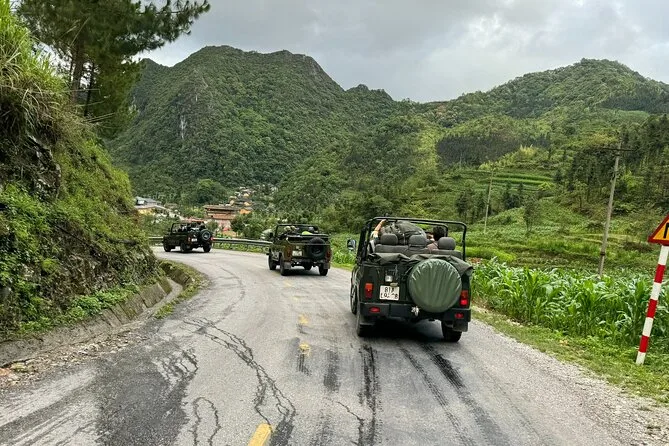
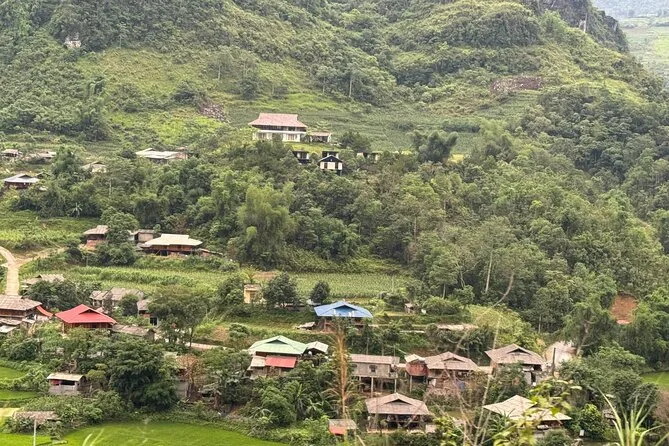
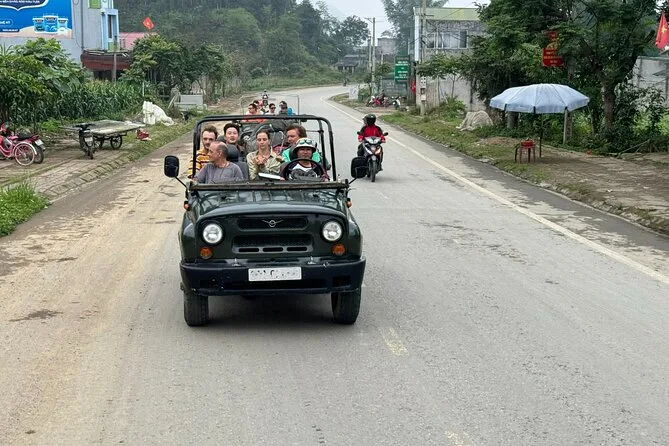
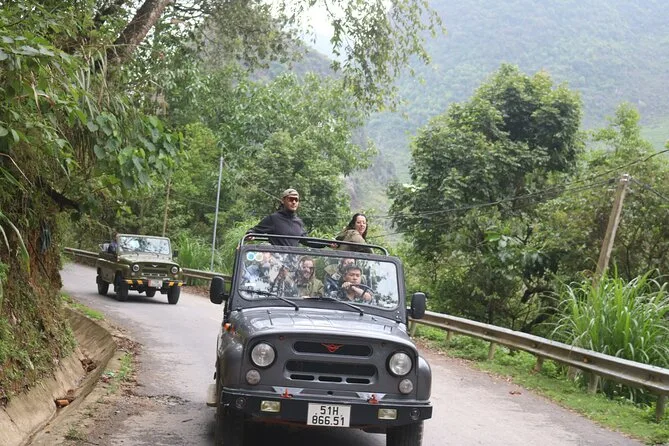
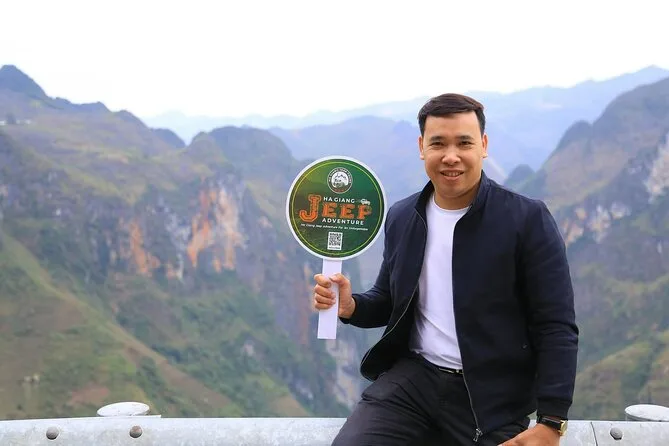
“You’ll want to hold onto your hat,” our guide Minh grinned as we climbed into the open-air jeep just outside Ha Giang city. He wasn’t kidding. The air up there hits you fast—smells like sweet grass and sometimes a bit of diesel from trucks grinding up those first hills. We’d barely left town when the mountains started crowding in, all sharp green folds with tiny villages tucked between. First stop was Pac Sum pass—foggy that morning, so the valleys below looked like someone had spilled milk over the rice paddies. Minh pointed out Nam Dam Village down a winding road and told us how his grandmother used to walk that whole way to market. I can’t even imagine doing it on foot.
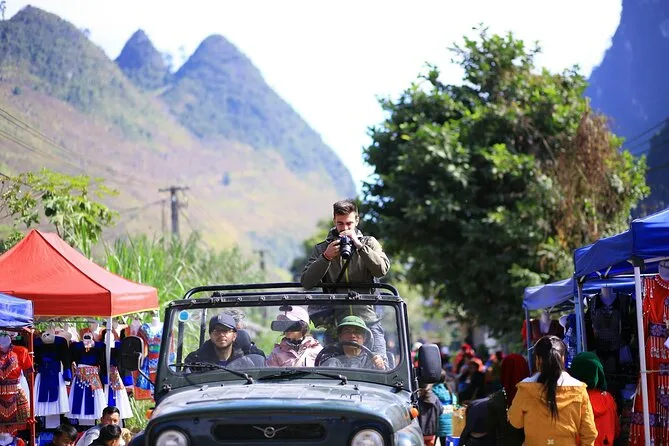
Lunch was at a place I’d never find alone—plastic chairs, sticky table, bowls of something spicy and sour (I think it was pork but honestly I didn’t ask). Yen Minh town is where we saw kids racing each other barefoot along the road; one waved at us with both hands and nearly tripped. After lunch came Tham Ma Pass—those switchbacks are no joke. At Hmong King Palace, Minh shared stories about the old family feuds and pointed out bullet holes in a doorframe. It felt strange standing there, hearing laughter from a group of teenagers outside while inside it was all quiet stone walls and faded photos.
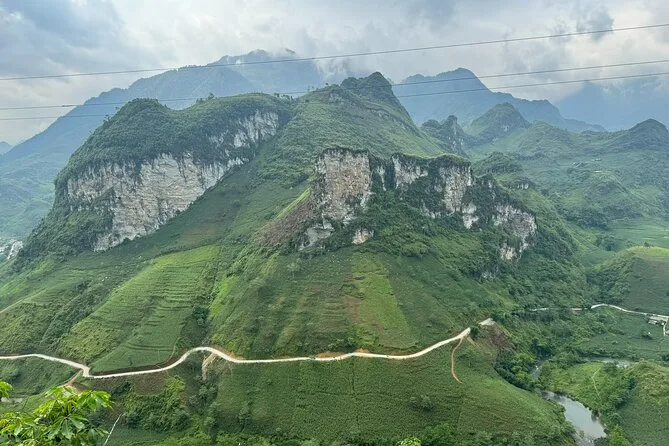
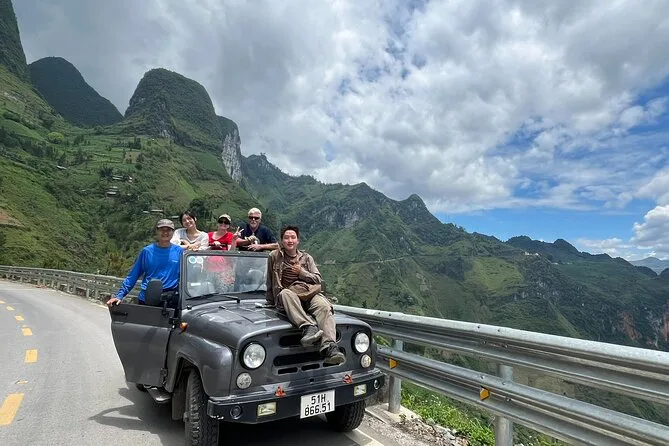
The next day’s drive along Ma Pi Leng Pass is what everyone talks about on this Ha Giang jeep tour, but nothing really prepares you for it. The cliffs drop straight down to the Nho Que river—a kind of dizzying blue-green—and the wind whistles so loud you have to shout to hear each other. We stopped at a viewpoint where some local women were selling corn cakes; I bought one just for an excuse to linger longer. Later in Du Gia Village we stayed with a Tay family who served us dinner—sticky rice, fried fish, “happy water” (homemade rice wine). My chopstick skills got some laughs but nobody seemed to mind.
On the last morning, after saying goodbye to our hosts (the grandmother pressed sticky rice into my hand “for luck”), we bounced back through terrace valleys that really do look like something out of a painting—except there’s always someone bent over working in them or kids running along muddy paths. By mid-afternoon we were back in Ha Giang city just as rain started tapping on the jeep roof. I kept thinking about those mountain roads and how small you feel up there—good small though.
 3d
3d

Step-by-step itinerary
Day 1 — Ha Giang to Dong Van exploration
- Breakfast at homestay
- Meet guide and Jeep driver
- Drive outside city and view landscape
- Stop at Pac Sum Pass valley
- Visit Heaven Gate panorama
- Visit Nam Dam Village
- See Trang Kim and Can Ty Pass
- Lunch at local restaurant
- Drive through Yen Minh Town
- Drive up Tham Ma Slope
- Pass Pho Cao
- Visit Hmong King Palace
- Drive to Dong Van for overnight
Day 2 — Dong Van to Du Gia Village journey
- Breakfast in Dong Van
- Drive to Ma Pi Leng Pass
- Stop at Ma Pi Leng panorama viewpoint
- Ride down Sky Path viewpoint
- Drive through Lung Ho, Mau Due, Meo Vac villages
- Lunch and drink stop in Meo Vac
- Continue to Du Gia Village
- Stay overnight at Tay minority homestay
- Dinner and happy water with family
Day 3 — Du Gia to Ha Giang and return
- Breakfast and farewell at homestay
- Drive to terrace paddies valley
- Cross Nam Cang Village
- Cross Sky Gate
- Return via Bac Me national road
- Arrive Ha Giang in afternoon
- Take bus or limousine back to Hanoi

Top questions

How long is the Ha Giang open air jeep tour?
The tour lasts 3 days and 2 nights starting and ending in Ha Giang city.
Is pickup included for this Ha Giang jeep tour?
Yes, pickup and drop-off in Ha Giang city are included.
What kind of accommodation is provided?
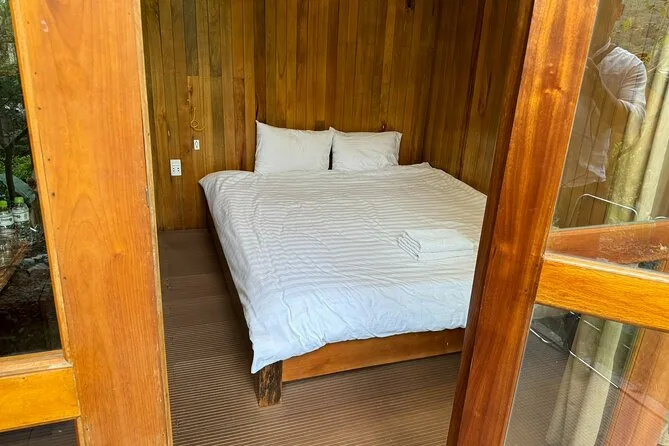
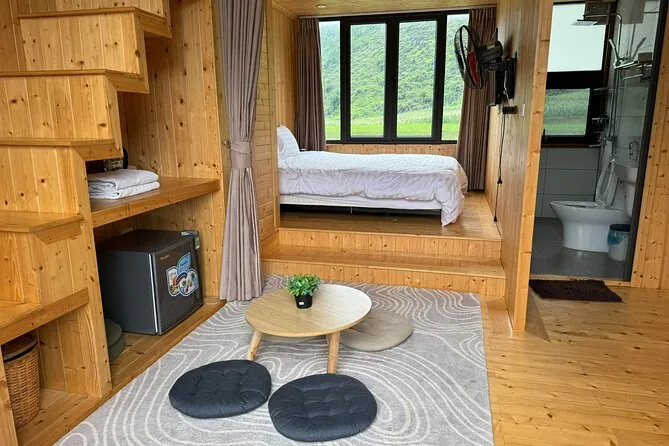
You’ll stay in private rooms at traditional houses or homestays with local families.
Are meals included during the trip?
All meals are included: 3 breakfasts, 3 lunches, and 2 dinners.
What are some highlights of this itinerary?
You’ll visit Dong Van Karst Plateau, Ma Pi Leng Pass, Hmong King Palace, ethnic villages like Du Gia and Nam Dam.
Is this tour suitable for people with spinal injuries?
No, it’s not recommended for travelers with spinal injuries due to bumpy roads.
Can infants join this Ha Giang jeep adventure?
Specialized infant seats are available if needed.
How far is Dong Van from Ha Giang city by jeep?
The route covers several hours’ drive each day between towns like Dong Van and Meo Vac via mountain passes.

What’s included
Your days include pickup and drop-off in Ha Giang city by open-air army jeep with a professional driver; three breakfasts, three lunches and two dinners—all home-style or local restaurants; an English-speaking guide who shares stories along every pass; entry fees; water during drives; plus two nights’ stay at traditional houses with private rooms so you get both comfort and real connection before heading back toward Hanoi or wherever you’re off to next.
 Super deal
  Free booking, free cancellation.
  Don't lose your place.


 Do you need help planning your next activity?


