


Golden Triangle: Delhi Agra Jaipur Private Tour with Pickup




Summary
Delhi’s chaos, Agra’s marble glow, Jaipur’s pink walls—one wild loop
You’ll taste Delhi’s street food on a rickshaw ride, stand quietly before the Taj Mahal at sunrise in Agra, wander Jaipur’s palaces with local guides who know every story, and end each day full of new sights (and probably snacks). It isn’t always tidy or easy—but it stays with you long after you leave.

The first thing I remember is the swirl of colors at Chandni Chowk—rickshaws zigzagging, spices in the air so thick you can almost taste them. Our guide, Priya, just grinned and told us to trust her as she led us through the maze. I tried my first jalebi here (sticky-sweet and still warm), standing next to a shop that looked older than my hometown. The Red Fort loomed up suddenly out of the traffic haze—red stone against a sky that never really sits still in Delhi. I didn’t expect to feel so small walking past Parliament House or seeing people stop for photos under India Gate, but there’s something about all that history packed into one city that makes you pause.
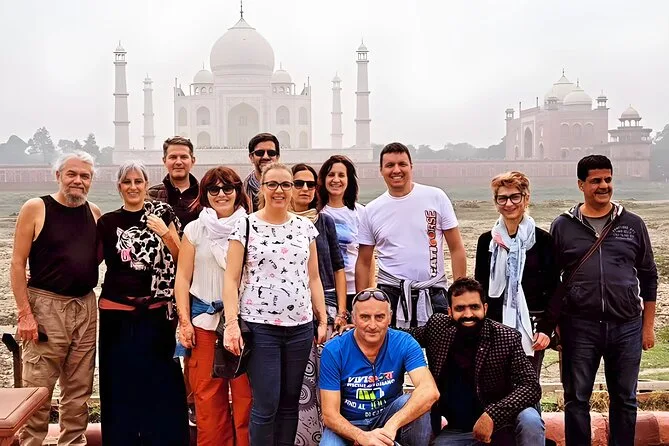
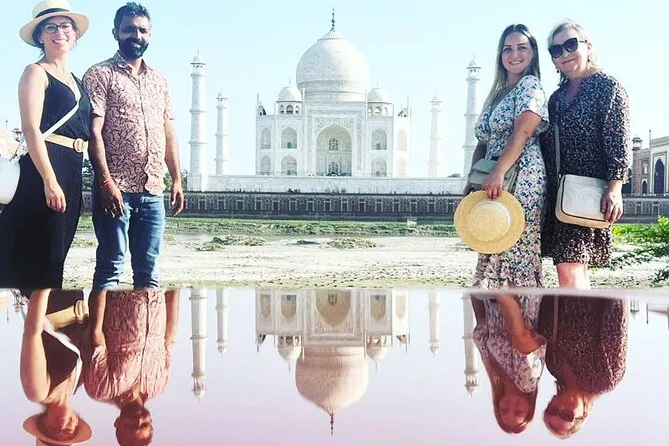
We left early for Agra—four hours on the road went by with chai stops and window views of fields blurring into towns. When we finally saw the Taj Mahal at sunrise, it was quieter than I thought it’d be; just birds and our own footsteps on cool marble. Our guide told us stories about Shah Jahan and Mumtaz that made the place feel less like a postcard and more like someone’s heartbreak set in stone. Later at Agra Fort, I ran my hand along the old walls—rougher than they look in photos—and tried to imagine emperors pacing those same corridors. There was a moment at the Tomb of I'timad-ud-Daulah where everything smelled faintly of jasmine from some nearby garden—I still think about that.
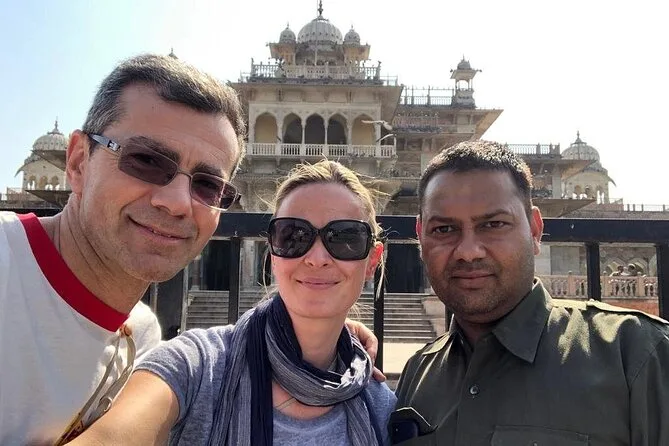
The drive to Jaipur took us through Fatehpur Sikri (all red sandstone arches and echoing courtyards) and then Abhaneri’s stepwell—a geometric puzzle cut deep into the earth. Jaipur itself felt different: lighter somehow, with pink buildings catching late afternoon sun. Our new guide, Rajesh, had this way of telling stories that made even the City Palace guards crack a smile. At Hawa Mahal we craned our necks up until someone joked we’d get stiff necks before lunch. The Royal Gaitor cenotaphs were quiet except for pigeons fluttering overhead; it felt respectful to just sit for a minute.
I’m not sure if it was eating kachori from a street stall or watching families stroll around Jal Mahal at dusk that stuck with me most—but somewhere between Amer Fort’s ramparts and the chaos of Delhi traffic again on our last day, this Golden Triangle tour started to feel less like sightseeing and more like moving through someone else’s memories. So yeah—if you’re curious or restless or just want to see how much story fits between three cities, this loop is worth every mile.
 6d
6d

Step-by-step itinerary
Day 1 — Arrival and leisure in New Delhi
- Arrive at New Delhi airport
- Meet tour representative
- Transfer to hotel
- Leisure time or explore nearby
Day 2 — New Delhi and Old Delhi sightseeing
- Visit Jama Masjid mosque
- Drive through Chandni Chowk market
- Rickshaw ride in Chandni Chowk
- Visit Red Fort
- See India Gate war memorial
- Drive past Rashtrapati Bhavan
- View Parliament House
- Visit Humayun's Tomb
- Visit Lotus Temple
- Visit Qutub Minar
- Visit Raj Ghat memorial
Day 3 — Travel to Agra and sightseeing
- Breakfast at hotel
- Drive from Delhi to Agra
- Check-in and refresh at hotel
- Visit Taj Mahal
- Visit Agra Fort
- Visit Tomb of I'timad-ud-Daulah
Day 4 — Agra to Jaipur via historic sites
- Breakfast at hotel
- Drive to Jaipur
- Visit Fatehpur Sikri
- Visit Chand Baori stepwell
Day 5 — Jaipur city sightseeing tour
- Visit Amer Fort
- Visit Jal Mahal palace
- Visit Royal Gaitor cenotaphs
- Visit City Palace Complex
- Visit Jantar Mantar observatory
- Visit Hawa Mahal palace
- Visit Albert Hall Museum
Day 6 — Departure from Jaipur to New Delhi
- Breakfast at hotel
- Check out from hotel
- Drive to New Delhi
- Drop off at airport or hotel

Top questions

How long is the Golden Triangle tour from Delhi?
The tour lasts 6 days and 5 nights, starting and ending in New Delhi.
Is hotel pickup included for this Golden Triangle trip?
Yes, pickup is offered from your hotel or other locations in Delhi, Noida, or Gurugram.
Are local guides provided in each city?
Yes, you’ll have professional licensed guides in Delhi, Agra, and Jaipur.
What are some main attractions visited during this tour?
You’ll visit places like Jama Masjid, Red Fort, Taj Mahal, Agra Fort, Fatehpur Sikri, Amber Fort, City Palace Jaipur, Hawa Mahal and more.
Is accommodation included in the price?
If booked with hotels included, your stay covers 5 nights in selected hotels across all three cities.
How far is Agra from Delhi by road?
The distance is about 222 km; it takes roughly 4 hours by private car.
Is entrance to monuments included?
No specific mention—entry fees may not be included unless otherwise stated when booking your package option.
Can infants join this Golden Triangle tour?
Infants are allowed but must sit on an adult's lap during travel; children must be accompanied by adults.

What’s included
Your trip includes private transportation throughout with pickup from your chosen location in Delhi (airport or hotel), all city sightseeing tours led by knowledgeable local guides in each destination—Delhi, Agra and Jaipur—and five nights’ accommodation if you book with hotels included. You’ll travel by comfortable sedan car or minivan depending on group size; daily breakfast is provided at hotels before heading out for each day’s adventures.
 Super deal
  Free booking, free cancellation.
  Don't lose your place.


 Do you need help planning your next activity?


