


Private Pompeii Tour with 3D Virtual Reality Headset



Summary
Immersive Pompeii Ruins Experience with VR Headsets
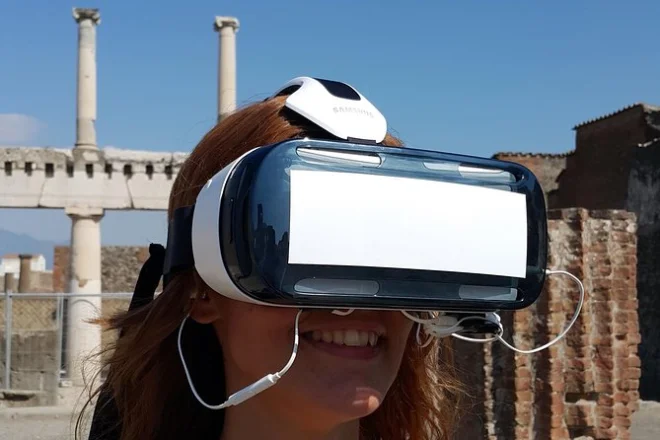
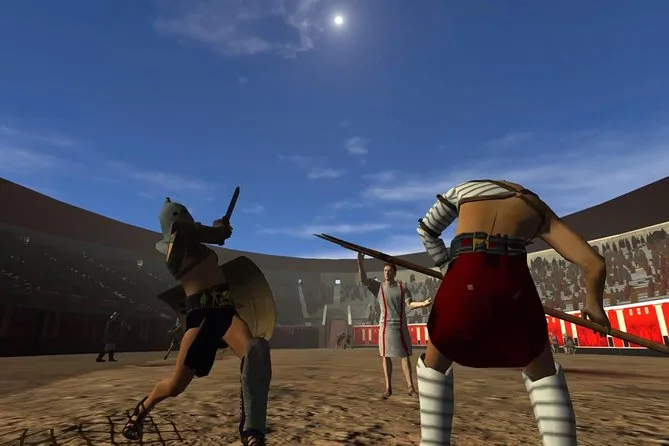
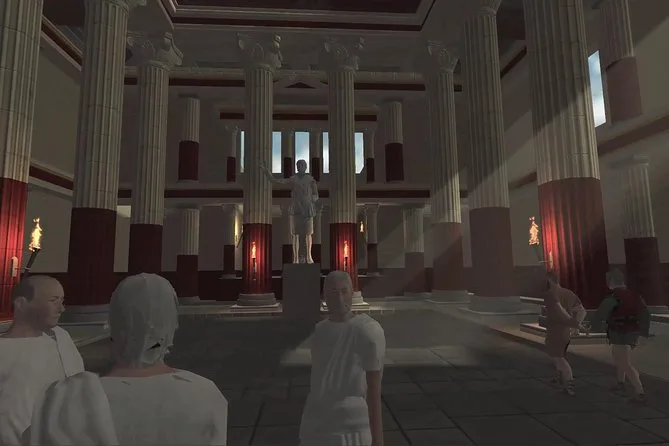
You’ll walk through Pompeii’s ruins with a friendly tour assistant and use a VR headset to see ancient life re-created right where it happened. It’s hands-on history—no waiting in line, no big crowds—and you get to explore at your own pace with audio commentary in your language.

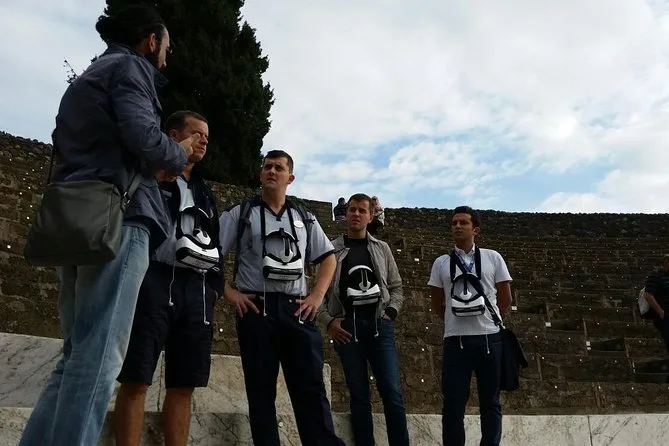
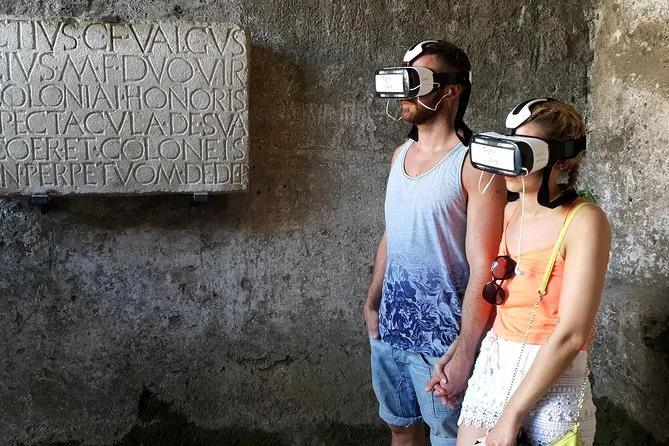
The air was warm and a bit dusty when we met our tour assistant just outside the main entrance to Pompeii. No crowds at the ticket booth—skip-the-line entry really does save time. Before heading in, we got a quick five-minute run-through on how to use the 3D virtual reality headsets. I’d never worn one before, so it felt a little odd at first, but the assistant was patient and showed us how to adjust the straps and focus.
Once inside, you’re surrounded by ancient stone streets and crumbling walls. But here’s where it gets wild: you slip on your headset, and suddenly you’re standing in a bustling Roman market or peeking into someone’s home from 2,000 years ago. The headset plays short videos—just a couple minutes each—that re-create what these places looked like before Mount Vesuvius erupted. You can hear voices in Latin mixed with street sounds; there’s even the faint smell of earth if you pay attention. The audio guide is available in six languages, so everyone in our group found something that worked for them.
Our tour assistant led us from spot to spot—temples, shops, even an old theater—but didn’t give historical explanations (they’re not licensed guides). Instead, all the info comes through your headset commentary. It’s actually pretty freeing; you can just wander and look around without feeling rushed. I noticed some local school kids on their own field trip nearby, laughing as they tried to mimic Roman gestures. If you’ve got kids under nine, they can’t use the headset (manufacturer rules), but there’s still plenty for them to see just walking along.
 2h 30m

Step-by-step itinerary
Day 1 — Pompeii Virtual Reality Tour
- VR headset training
- Explore Pompeii ruins with VR headset and tour assistant

Top questions

Is this tour suitable for children?
Children under 9 can’t use the VR headset due to manufacturer guidelines, but they’re welcome on the tour with an adult. Kids 9–12 may use headsets at parents’ discretion.
Does the tour include a licensed guide?
No, this experience includes a tour assistant who helps with logistics and headsets but doesn’t provide historical commentary. All information comes via the headset audio guide.
What languages are available for the audio commentary?
The VR headset offers commentary in English, Italian, German, French, Spanish, and Russian.
Is this tour wheelchair accessible?
Yes! The site and tour are accessible for wheelchairs and strollers. Just wear comfortable shoes—the ground can be uneven.

What’s included
Your skip-the-line ticket into Pompeii ruins is included, plus one 3D virtual reality headset per adult or youth (ages 9+). A friendly English- or Italian-speaking tour assistant will help out along the way. The VR experience is available in six languages so everyone feels included.
 Super deal
  Free booking, free cancellation.
  Don't lose your place.


 Do you need help planning your next activity?


