


Tokyo: Senso-ji, Meiji Shrine & Shibuya Crossing Private Tour


Summary
Private day tour through Tokyo’s temples shrines pop culture
You’ll weave through Tokyo’s historic temples and shrines with a local guide by your side, taste street snacks in Asakusa, try your hand at pop culture in Harajuku, and cross Shibuya’s famous intersection feeling like you’re part of the city’s rhythm. Expect laughter, small surprises, and moments of calm tucked between all the energy.

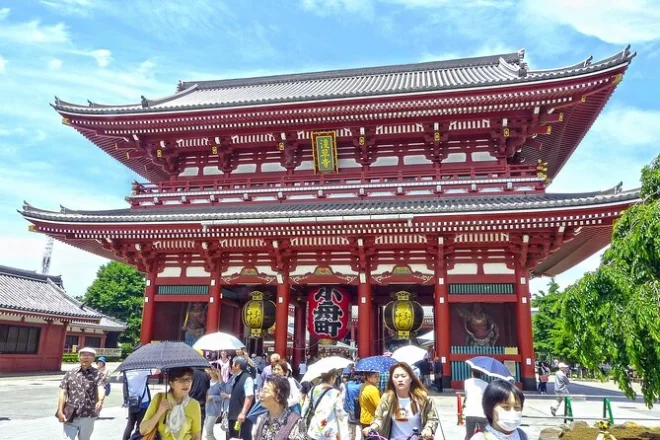
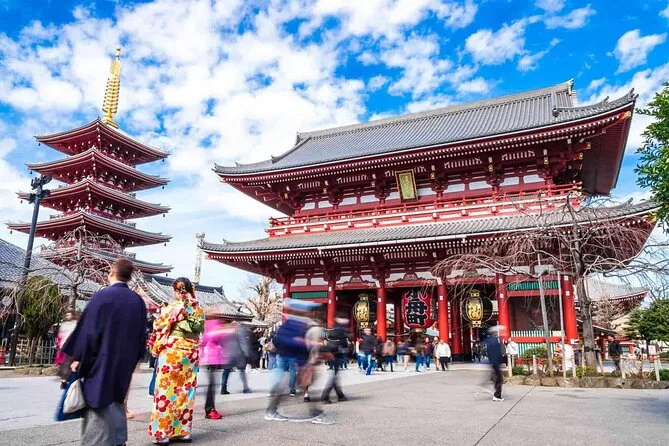
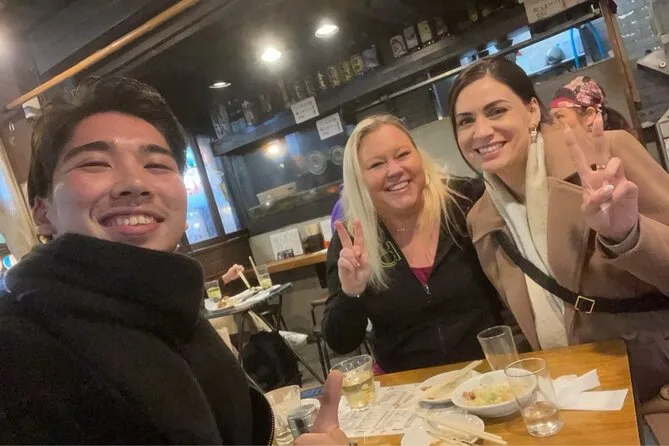
“If you get lost in Shibuya, just follow the smell of yakitori,” our guide Kenji grinned as we squeezed into the morning rush at Ueno Station. I’d barely figured out which ticket to buy before he’d already pointed out three shortcuts and a bakery that apparently sells the “softest melonpan in Tokyo.” The city was waking up — salarymen in crisp shirts, schoolkids with matching backpacks, and somewhere behind us, someone humming a J-pop song I didn’t recognize. We started at Senso-ji Temple in Asakusa. The incense smoke curled around us as Kenji explained how people wave it over themselves for luck. I tried it too — not sure if it worked but I did feel lighter (or maybe just hungry from the smell of sweet red bean buns).
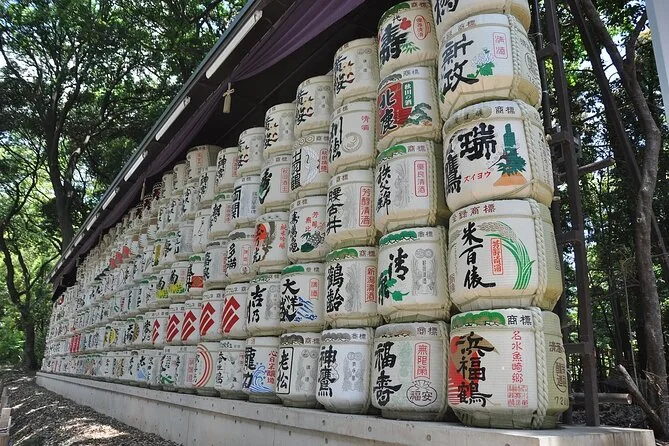
We wandered through Nakamise Street where Kenji chatted with a woman selling ningyo-yaki cakes. He introduced me as “his friend from overseas” and she handed me one fresh off the griddle — still warm, soft inside. I probably had flour on my face for half an hour after that. Then we took the subway again (I never realized how quiet Japanese trains are until you’re on one at noon) and ended up at Meiji Shrine. It felt like stepping into another world — suddenly all you hear is wind in the trees and your own footsteps crunching gravel. Kenji showed me how to bow before entering; he even joked that my bow was “almost perfect…for a first-timer.”
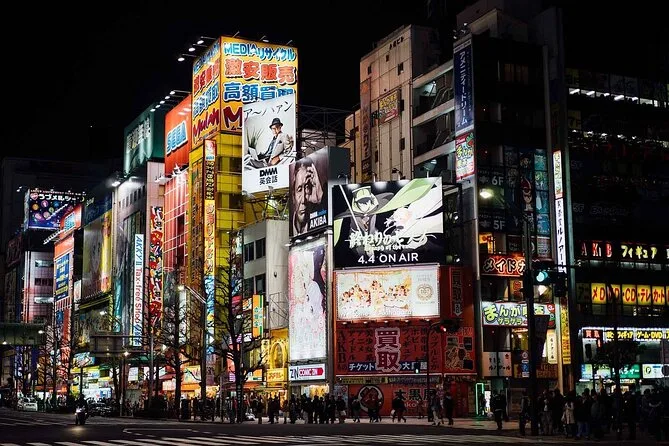
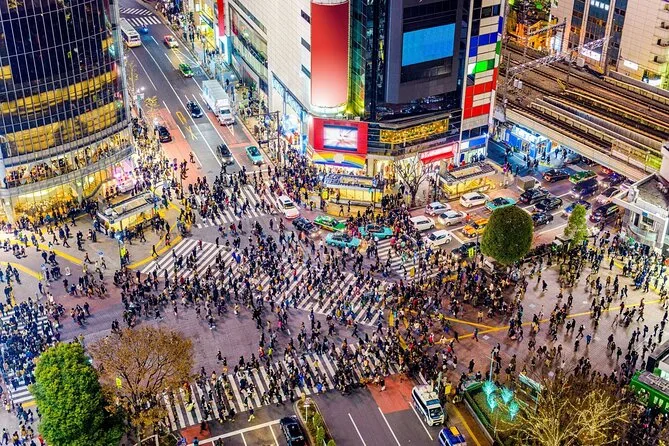
Harajuku was next — total sensory switch-up. Neon signs everywhere, teenagers in wild outfits laughing over rainbow-colored crepes. I tried saying “kawaii” but Li (another guide who joined us for this part) burst out laughing at my accent. She taught me to say it properly while we watched a group of girls pose for selfies under pink banners. Last stop: Shibuya Crossing. Honestly? It’s chaos but somehow organized — hundreds of people moving together like they’ve rehearsed it all their lives. We stood there for a minute just watching before diving in ourselves.
I keep thinking about that moment at Meiji Shrine when everything went quiet except for the crows overhead and Kenji’s voice explaining why people tie wishes to the trees. It’s funny what sticks with you after a day like that.
 6h–7h
6h–7h

Step-by-step itinerary
Day 1 — Explore Tokyo's historic and modern sites
- Visit Senso-ji Temple in Asakusa
- Enjoy traditional Japanese food in Asakusa
- Optional rickshaw ride in Asakusa
- Visit Meiji Shrine in the woods
- Explore Harajuku Takeshita Street fashion
- See Shibuya Crossing, busiest in Japan

Top questions

Is hotel pickup included on this Tokyo private tour?
No, hotel pickup is not included; the tour starts at a central meeting point.
Are entry fees to Senso-ji Temple or Meiji Shrine included?
No entry fees are required for Senso-ji Temple or Meiji Shrine; both are free to enter.
Does this tour include lunch or food tastings?
No set lunch is included but your guide will help you find local food based on your preferences.
Is public transportation used during the tour?
Yes, you’ll use Tokyo’s subway and JR lines throughout the day with your guide.
Can dietary restrictions be accommodated?
Yes, let your guide know ahead of time so they can plan food stops accordingly.
How long does this full-day private guided tour last?
The tour lasts approximately 8 hours depending on your pace and interests.
Is this Tokyo day trip wheelchair accessible?
Yes, transportation options and most attractions are wheelchair accessible.
Will there be time for shopping or exploring on our own?
The itinerary is flexible—just tell your guide if you want extra time anywhere.

What’s included
Your day includes an English-speaking expert guide leading you through Tokyo’s highlights by subway and JR train lines, visits to Senso-ji Temple in Asakusa, Meiji Shrine, Harajuku’s Takeshita Street, and Shibuya Crossing—with plenty of chances to try local foods along the way and help with restaurant or attraction reservations if needed.
 Super deal
  Free booking, free cancellation.
  Don't lose your place.


 Do you need help planning your next activity?


