


Tokyo: Sushi Making Class & Japanese Cooking with Local Chefs


Summary
Tokyo sushi class with hands-on maki & nigiri plus local stories
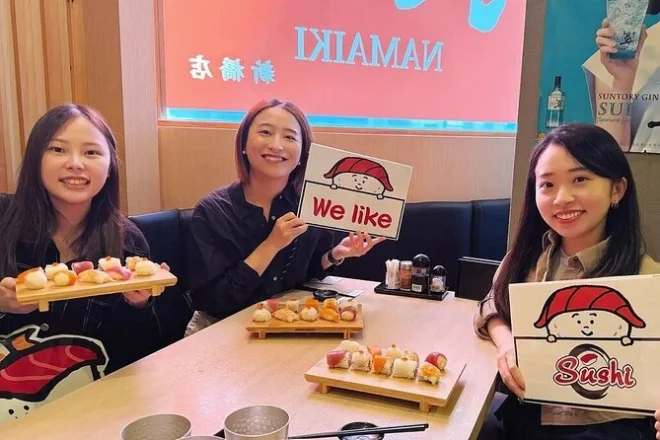
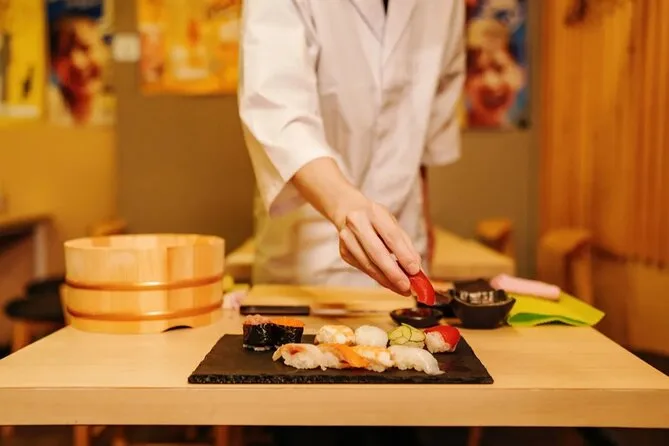
You’ll learn real sushi skills in Tokyo alongside friendly local instructors who share stories and help you master maki or nigiri rolls (or even vegetarian options). Expect laughter, hands-on practice, and plenty of small surprises — plus time to enjoy your creations together at the end.

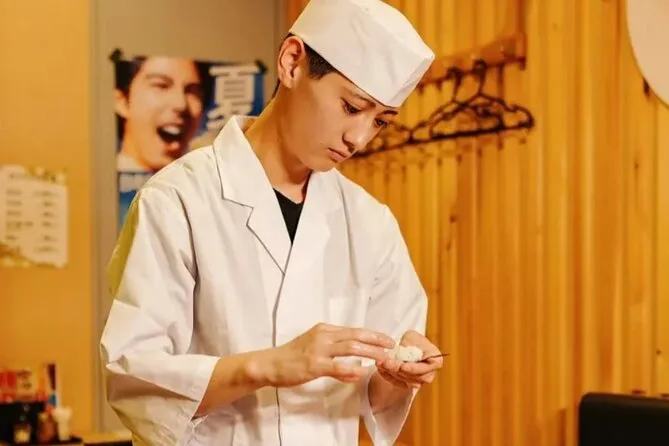
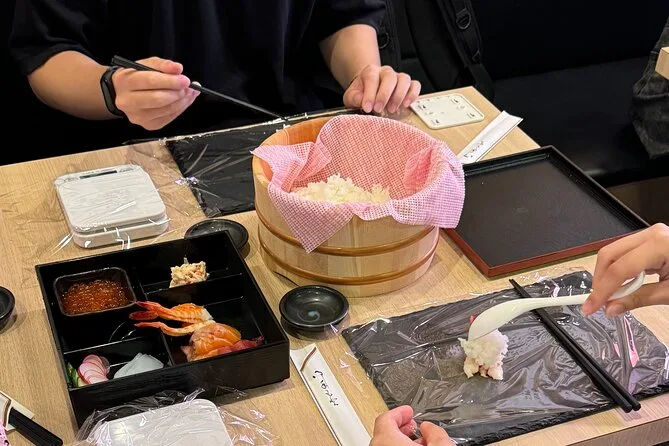
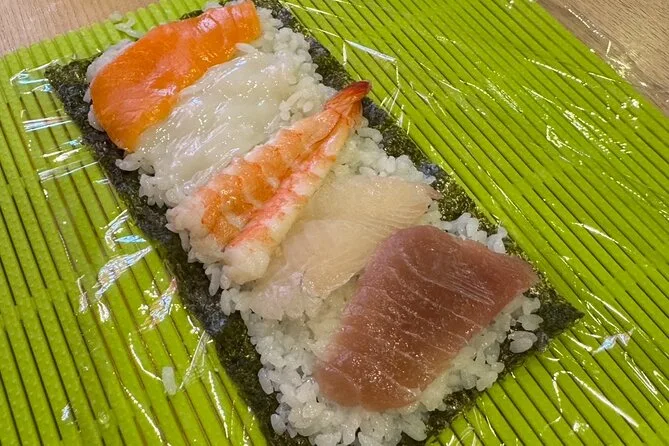
“In Japan, rice is not just food — it’s respect,” our instructor said, patting a little mound of sticky rice between her palms. I’d never thought about it that way. The classroom was tucked above a busy street in Tokyo, but inside it felt calm — just the faint clatter of knives and the low hum of someone practicing their Mandarin (Li, the assistant, was helping a couple from Taiwan). My hands were already sticky from trying to roll maki sushi without squishing everything flat. I guess there’s an art to not overthinking it.
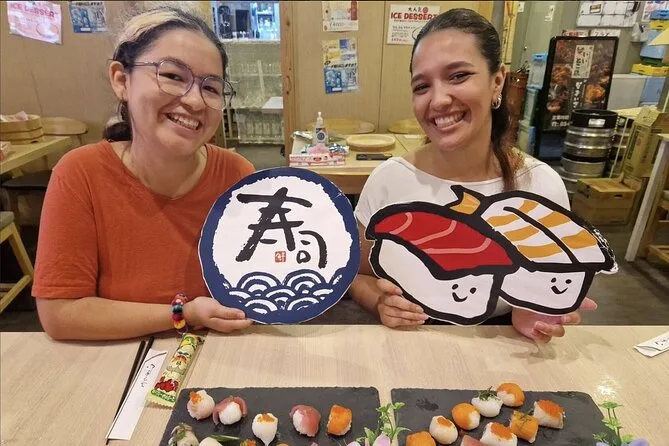
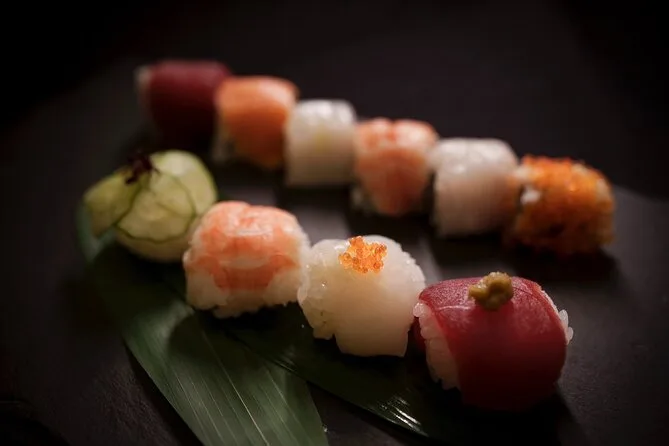
Before we started making anything, they ran this funny quiz about sushi etiquette — like what you do with ginger or how not to drown your nigiri in soy sauce (guilty). Our guide switched between English and Chinese so everyone could follow along. When she demonstrated temari sushi — those little round ones — she made it look easy, but mine turned out more like lumpy snowballs. She smiled anyway and said “good effort!” which helped me relax. The smell of vinegared rice mixed with fresh salmon and cucumber made me hungry long before we sat down to eat.
I didn’t expect to laugh so much during a cooking class, but there was this moment when my shrimp kept sliding off the rice and Li tried to show me how to press it gently — “not too hard,” she said, “like holding a baby bird.” Everyone kind of lost it at that. They offered sake too (optional), but honestly I was happy enough with tea and chatting about Tokyo neighborhoods. There’s something about eating what you’ve made yourself that sticks with you — maybe because you remember every awkward step along the way.
 1h 30m

Step-by-step itinerary
Day 1 — Learn and make sushi dishes
- Learn sushi history and etiquette
- Take sushi quizzes
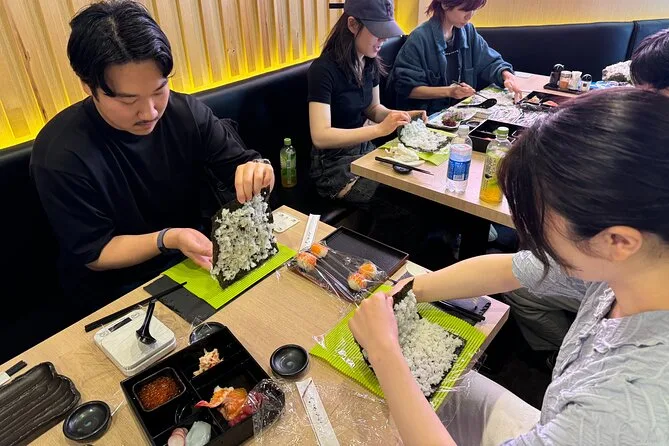
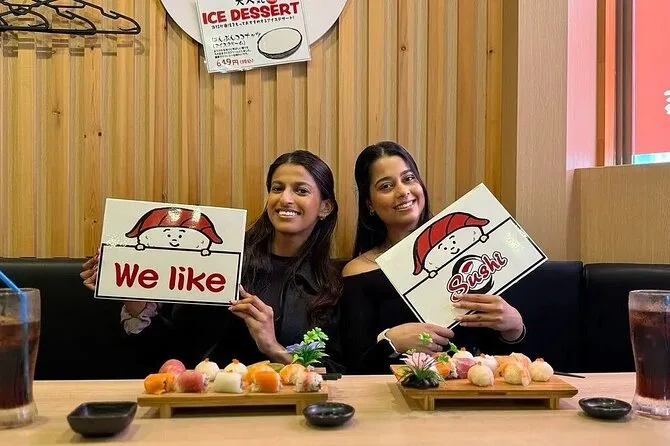
- Make maki and temari sushi
- Make maki and nigiri sushi
- Receive assistance from staff
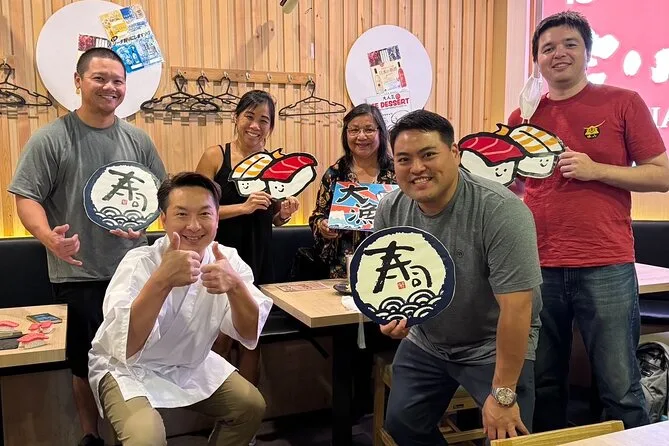
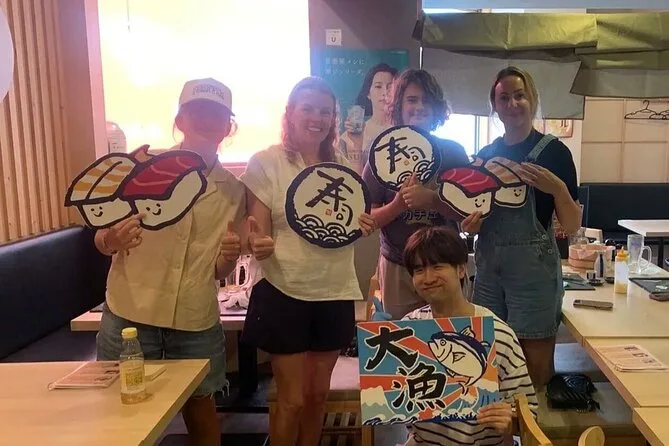
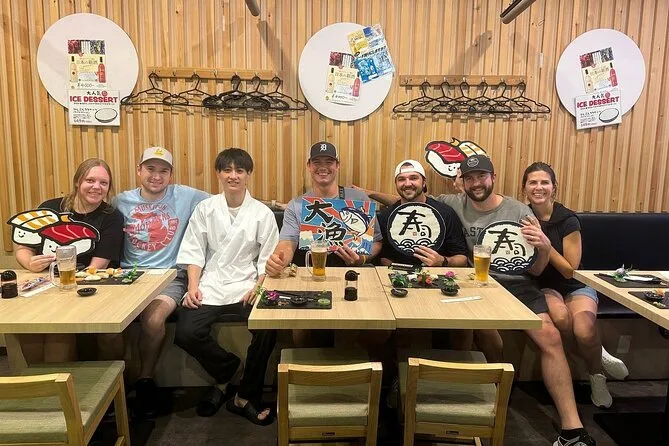
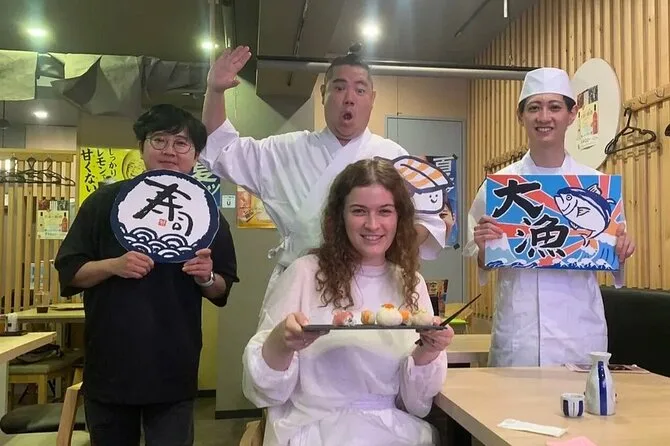
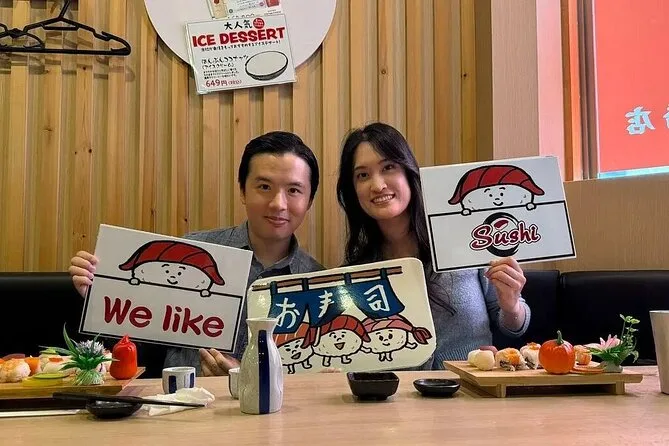
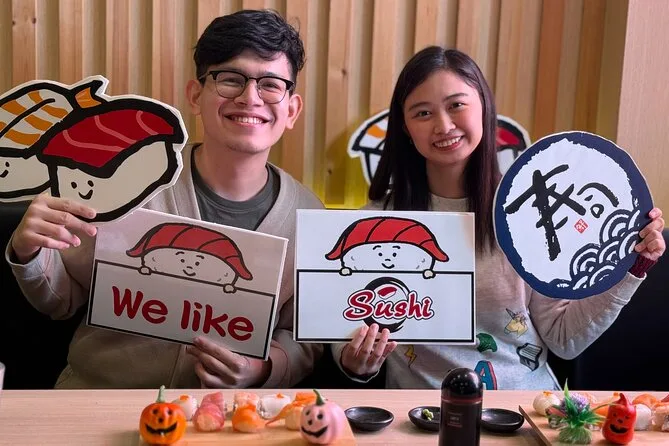
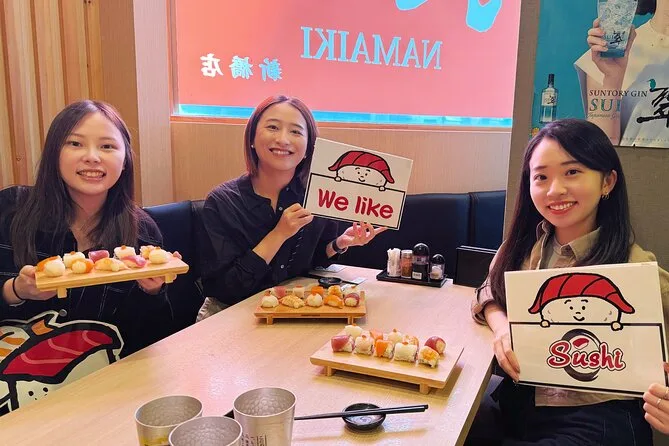
- Take commemorative photos

Top questions

Is this Tokyo sushi making class suitable for beginners?
Yes, the class is beginner-friendly and guides will assist you throughout each step.
What types of sushi can I learn to make?
You can choose from maki sushi and temari sushi or maki sushi and nigiri sushi courses.
Are vegetarian or allergy-friendly menus available?
Yes, vegetarian options are available and allergy menus can be arranged if notified in advance.
Is raw fish required for all dishes?
No, you can request alternatives if you’re uncomfortable with raw fish.
Are drinks included in the class?
Sake or shochu can be added as an option; tea is provided.
What languages do the instructors speak?
The staff are fluent in English as well as Traditional and Simplified Chinese.
What’s included in the price?
The experience includes all ingredients for making maki sushi, temari or nigiri sushi, instruction from local staff, and commemorative photos.
Can children join this cooking class?
Yes, participants aged 4 years old and above are welcome; infants can come in strollers.

What’s included
Your booking covers all fresh ingredients for maki sushi plus either temari or nigiri varieties (with tuna, salmon, squid, shrimp, roe, cucumber, egg), guidance from English- or Chinese-speaking instructors who help throughout the lesson (and take photos if you want), plus tea during your meal. Vegetarian menus are available on request; sake or shochu can be added as an option.
 Super deal
  Free booking, free cancellation.
  Don't lose your place.


 Do you need help planning your next activity?


