


Valladolid: Mayan Bee Tour, Dry Cenote & Honey Tasting


Summary
Mayan bees dry cenote walk honey tasting Valladolid tour
You’ll step into Valladolid’s Mayan bee world: descend into a dry cenote with stingless bees, walk jungle paths learning about native plants, open hives at the meliponario, taste rare honey varieties, then share breakfast or lunch with your hosts. It’s gentle but surprising—the kind of day you’ll remember when you taste honey again back home.

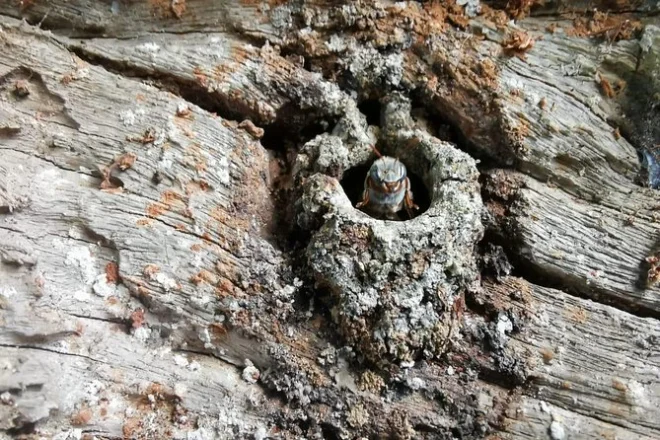
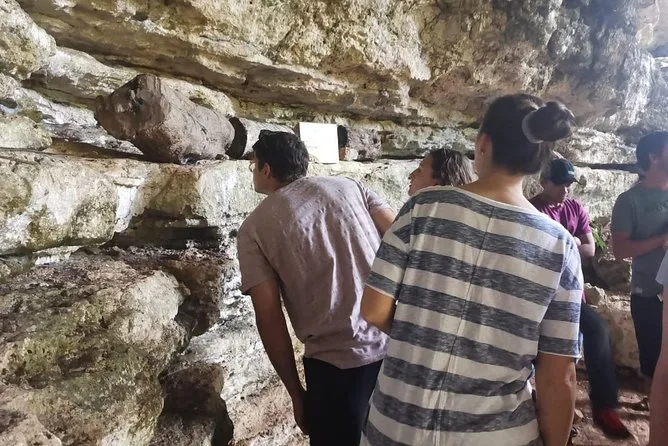
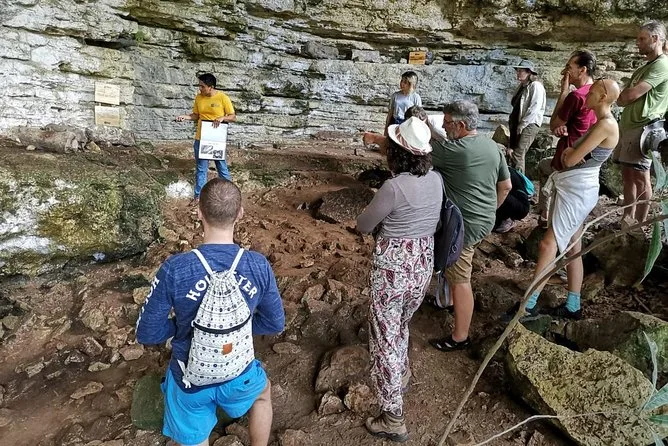
The first thing I noticed was the smell—earthy, a little sweet, almost like wet leaves after rain. We’d just stepped down into this dry cenote near Valladolid, and Jorge (our guide) was already pointing out these tiny wild bees hovering around the stone walls. No stings here, he said, just curiosity. I kept thinking how quiet it felt inside that vault, except for the soft buzz and Jorge’s voice echoing off the rock. He handed me a piece of wax to touch—softer than I expected, almost warm from the sun.
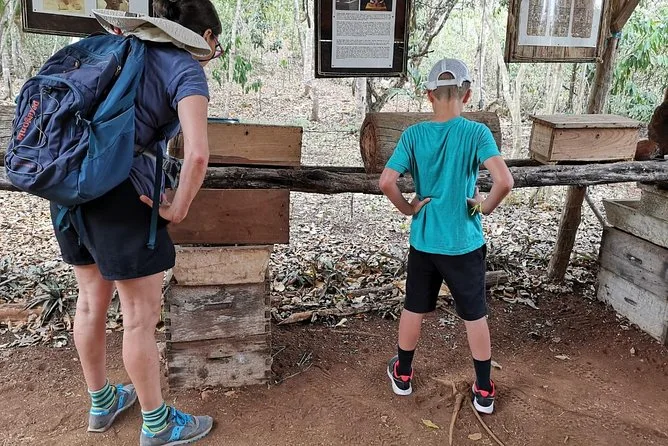
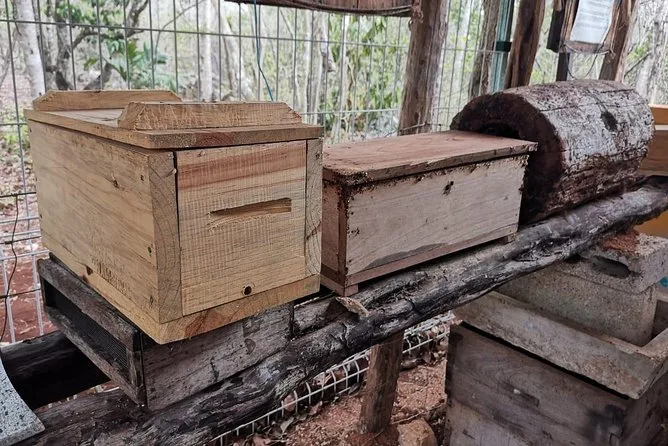
Walking back up into the sunlight felt like waking up from a nap. We followed a narrow path through scrubby jungle while Dianela named plants in Spanish and Maya—I tried repeating one (“tzalam”?) but probably butchered it. She laughed anyway. The air smelled sharp with green leaves and something floral I couldn’t place. At their meliponario we saw the hives up close; opening one felt weirdly intimate. The architecture inside is wild—like little golden cities built by ghosts. There was this moment where everyone just went quiet watching the bees work. I didn’t expect to feel so... respectful? Not sure that’s even the right word.
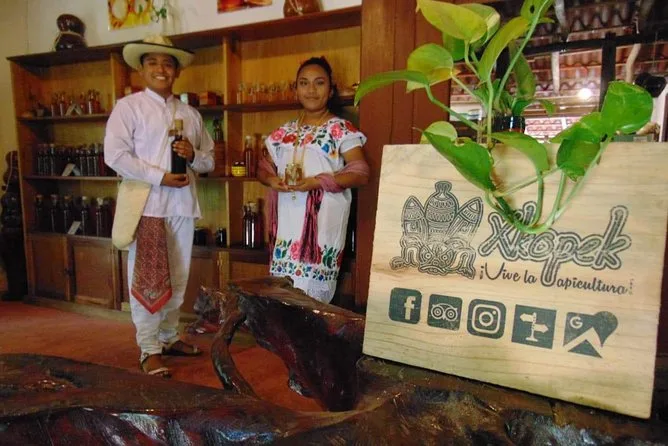
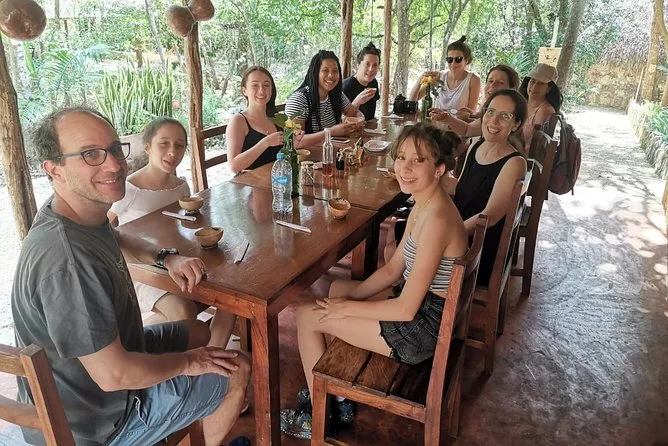
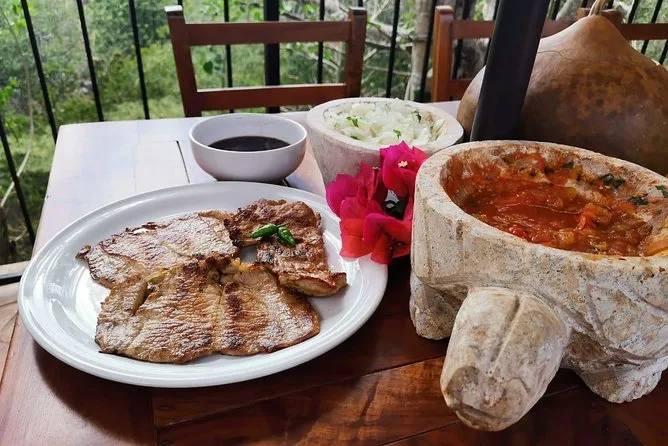
We tasted three kinds of honey (one was citrusy and almost sour), plus some pollen that stuck to my teeth in a good way. Lunch was poc chuc under a palapa roof—smoky pork with tortillas and fruit water that tasted like lime and something else I still can’t name. The family who runs Xkopek sat with us for a bit, talking about how their grandparents kept bees before them. There’s a small shop at the end but no pressure—just jars lined up on wooden shelves, each one different color.
 1h 30m

Step-by-step itinerary
Day 1 — Visit dry cenote and honey tasting
- Walk to dry cenote
- Descend stairway to cenote vault
- Observe local bee varieties
- Walk jungle path identifying plants
- Arrive at meliponario
- Learn honey production process
- Open beehive to observe architecture
- Taste honey and hive products
- Visit honey and souvenir store
- Take souvenir photo

Top questions

How long does the Mayan Bee Tour in Valladolid last?
The tour typically lasts around 2–3 hours including walking, tastings, and meal time.
Are there stingless bees on this tour?
Yes, you’ll see several species of native stingless bees important to Mayan culture.
Is lunch or breakfast included in the bee tour?
You can choose between traditional lunch options (like poc chuc) or breakfast options such as quesadillas or omelets.
Do I need to worry about bee stings during this experience?
No—the native bees you’ll meet do not have stingers and are safe to observe up close.
Where does the Valladolid bee tour take place?
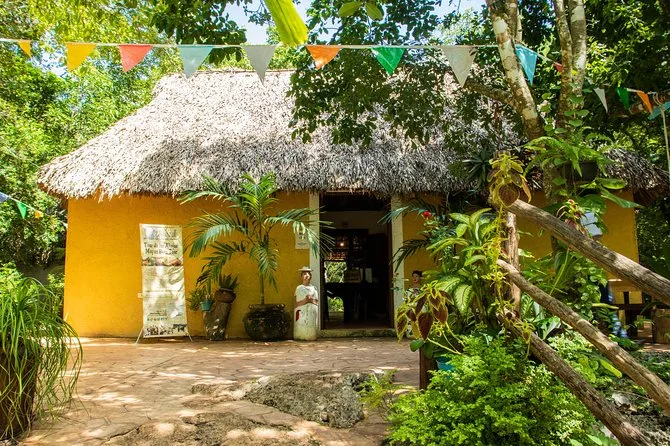
The tour is at Xkopek near Valladolid—a family-run Mayan beekeeping project with a dry cenote and meliponario.
Is hotel pickup included?
No hotel pickup is mentioned; public transportation options are available nearby.
Can children join this bee tour?
Infants must sit on an adult’s lap; moderate physical fitness is required due to walking and stairs.
What should I wear or bring for this tour?
Wear comfortable closed shoes for walking and use organic mosquito repellent as recommended by guides.

What’s included
Your visit includes entry to Xkopek’s dry cenote near Valladolid with guided walks through jungle paths, hands-on hive exploration at their meliponario, honey tasting of several varieties plus pollen and hive products, as well as your choice of traditional breakfast or lunch—fruit water included—and time in their small shop before heading out again.
 Super deal
  Free booking, free cancellation.
  Don't lose your place.


 Do you need help planning your next activity?


