


Everest Base Camp Trek: Sherpa Villages & Tengboche Monastery



Summary
Trek through sherpa villages to everest base camp with local guide stories and tea house nights
You’ll hike from Lukla through Sherpa villages, share laughs with your guide over steaming cups of tea, step quietly into Tengboche Monastery’s ancient calm, and finally stand at Everest Base Camp itself. Expect simple meals that taste perfect after long climbs, nights in tea houses, and moments when even your own breath feels new. It’s not just about reaching Everest — it’s what happens along the way.

The first thing that hit me after we landed in Lukla was the smell — cold, sharp, almost metallic air, mixed with something earthy from the little shops lining the path. Our guide, Pemba, just grinned at my face (probably looked like I’d never seen a mountain before). We set off past kids in bright jackets chasing each other around yaks. The path wound up through pine forests and then suddenly Namche Bazaar just appeared below us, all stacked colors and prayer flags flapping like they were trying to outdo each other. I remember my boots crunching over gravel, and how quiet it got every time we rounded a bend away from the chatter.
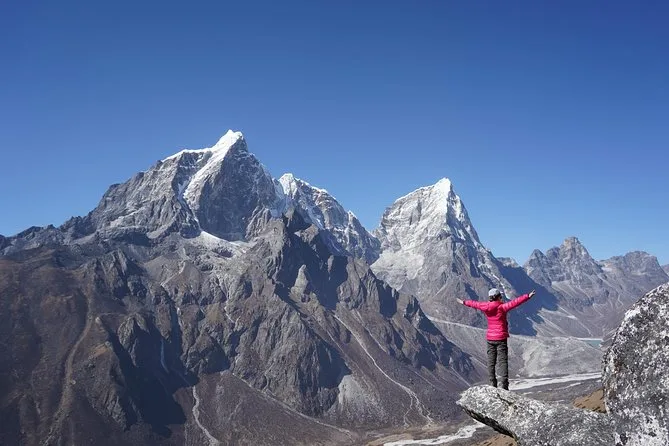
I didn’t expect to feel so small walking under those peaks — you see photos of Everest but being there is different. At Tengboche Monastery, monks chanted somewhere inside while we stood outside catching our breath (literally and emotionally). Pemba showed us how to spin the prayer wheels; I tried to say “thank you” in Nepali and he laughed — probably deserved it. Lunches were always simple — dal bhat or noodles — but after hours of trekking they tasted better than anything fancy back home. One afternoon it started snowing as we reached a tea house; everything went quiet except for our boots thudding on wooden floors.
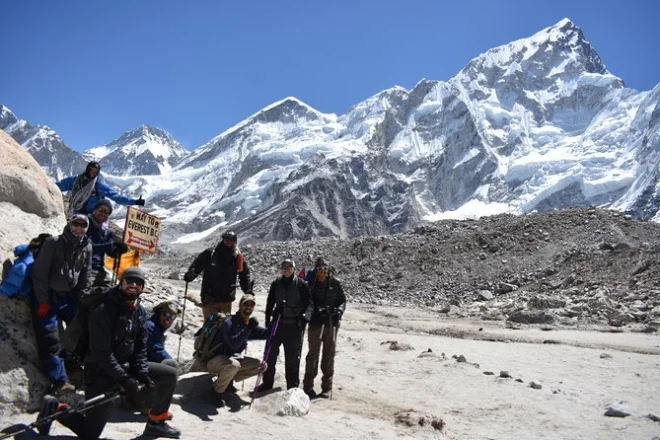
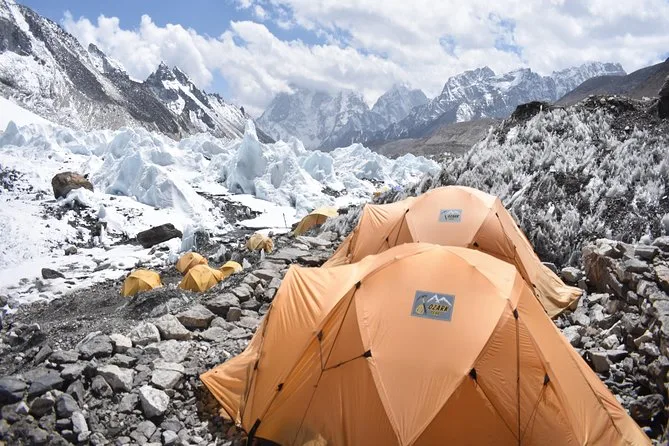
The day we made it to Everest Base Camp itself is a blur of windburned cheeks and high-fives with strangers who felt like old friends by then. There’s this weird silence up there — not total silence, but a kind of hush that sits between people when they’re all looking at something bigger than themselves. On the way back down, we stopped at a hill covered in little memorials for climbers who didn’t return. That stuck with me more than I thought it would.
Even now I catch myself thinking about the way light slid over Ama Dablam in the early morning or how cold my hands got trying to take photos near Kalapathar (worth it though). If you’re thinking about doing an Everest Base Camp trek from Lukla, just know it’s less about conquering mountains and more about letting them change you a bit. I’m still not sure if my legs have forgiven me yet.
 12d
12d

Step-by-step itinerary
Day 1 — Everest Base Camp trek highlights
- Meet accredited guide at meeting point
- Fly thrilling Lukla flight
- Visit Namche Bazaar market
- Explore Sherpa culture and lifestyle
- Follow path of Hillary and Tenzing
- See panoramic views of Everest peaks
- Visit Tengboche monastery and seek blessings
- View Khumbu glacier
- Reach Everest Base Camp
- See memorial hill of deceased climbers
- Enjoy close view from Kalapatther viewpoint

Top questions

How long does the Everest Base Camp trek take?
The trek typically takes 12 days round-trip from Lukla, including acclimatization stops.
Is pickup included for the Everest Base Camp trek?
Yes, domestic airport pickup and drop-off are included as part of your booking.
Are meals provided during the trek?
Breakfast, lunch, and dinner are included throughout the trekking days.
What kind of accommodation is available on this trek?
You’ll stay in basic tea house accommodation for 11 nights during the trek.
Do I need a high level of fitness for this trek?
Yes, travelers should have a high level of physical fitness due to altitude and duration.
Is there a guide on the Everest Base Camp trek?
An English-speaking licensed trekking guide accompanies you throughout the trip.
Are vegetarian meal options available?
Yes, vegetarian options are available if requested at booking time.
Does this tour include flights between Kathmandu & Lukla?
Yes, airfare between Kathmandu (Ramechhap) and Lukla is included both ways.

What’s included
Your journey includes domestic airport pickup and drop-off, round-trip flights between Kathmandu (Ramechhap) and Lukla, all national park fees and permits, 11 nights’ basic accommodation at local tea houses along the trail, daily breakfast, lunch and dinner during trekking days plus support from an English-speaking government-licensed guide (and porter for every two trekkers). You’ll also get a trekking map for your group; sleeping bags or down jackets can be provided on request; guides’ food, insurance and lodging are covered too—so you can focus on each step without worrying about logistics.
 Super deal
  Free booking, free cancellation.
  Don't lose your place.


 Do you need help planning your next activity?


