


Amsterdam Walking Tour: History, Canals & Local Stories


Summary
Amsterdam’s canals, hidden churches and untold stories with a local who knows every corner
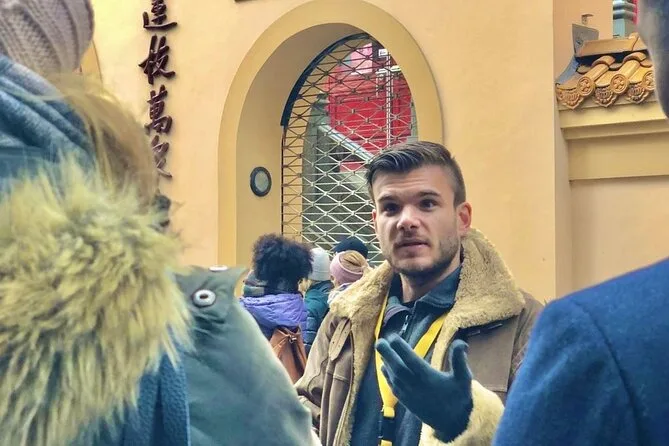
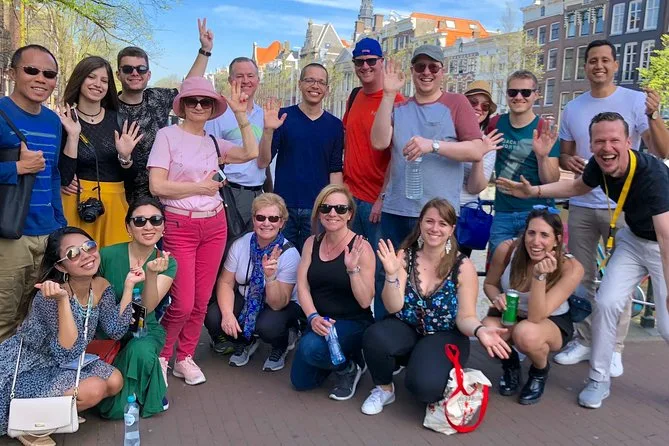
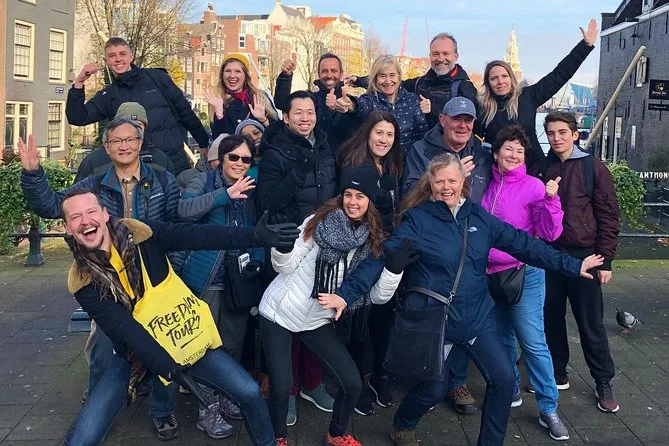
You’ll walk Amsterdam’s tangled streets with a local guide who actually lives here—hear wild stories about tolerance, peek at secret churches from outside, sample chewy Dutch cookies in the shadow of crooked canal houses, and pause where history still lingers in old markets. Expect laughter but also moments that stay with you long after you leave.

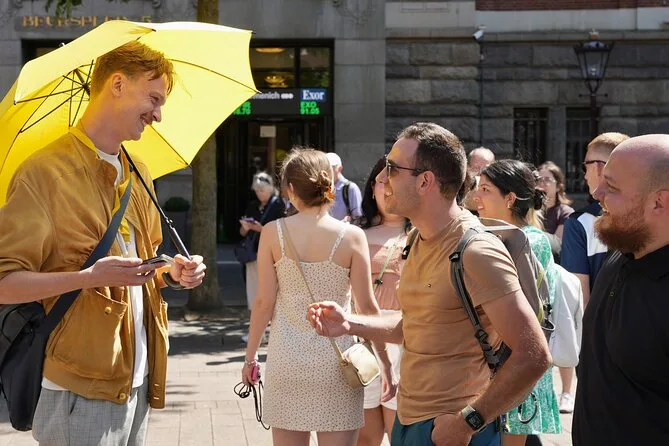
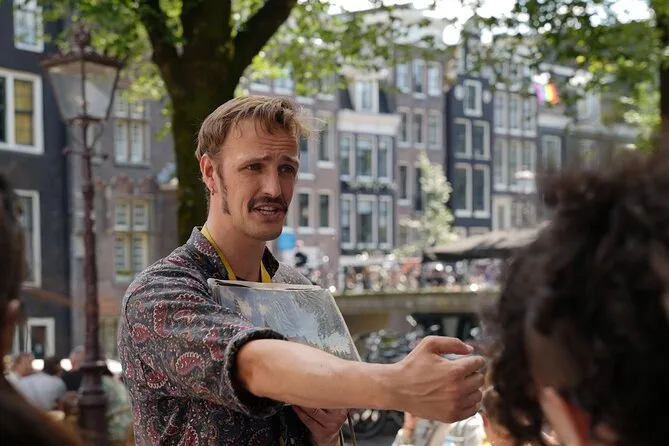
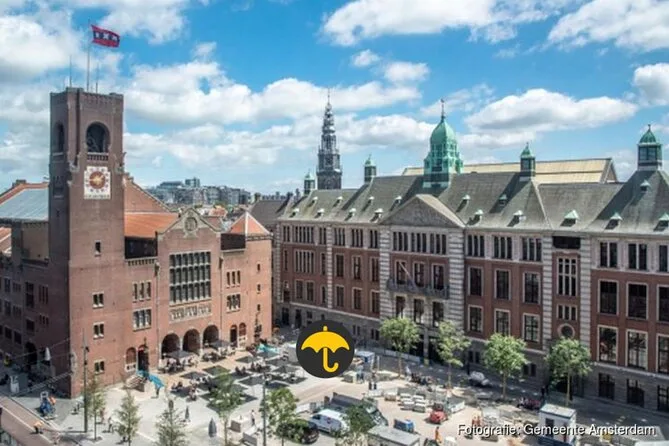
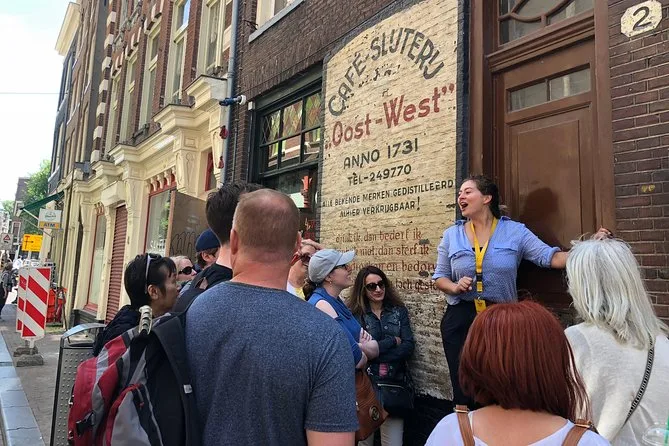
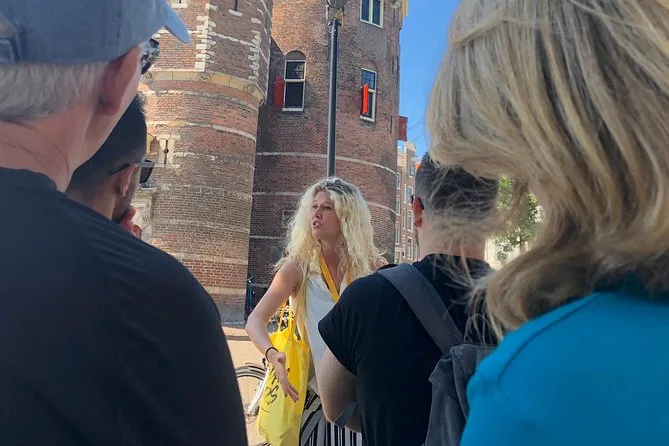
The first thing I noticed was the way the morning light slid across the old Amstel river stones — kind of golden but muted, like the city itself. Our guide, Sander (he wore a scarf that looked older than me), waved us over by the stock exchange and started talking about how Amsterdam basically grew out of water and money. I could hear bikes rattling past behind us and someone nearby was eating a herring sandwich — the smell is… not subtle. Sander pulled out this battered map, pointed at where we stood, and suddenly you could almost see the old harbor filling up with ships. It’s weird how fast you start picturing it all.
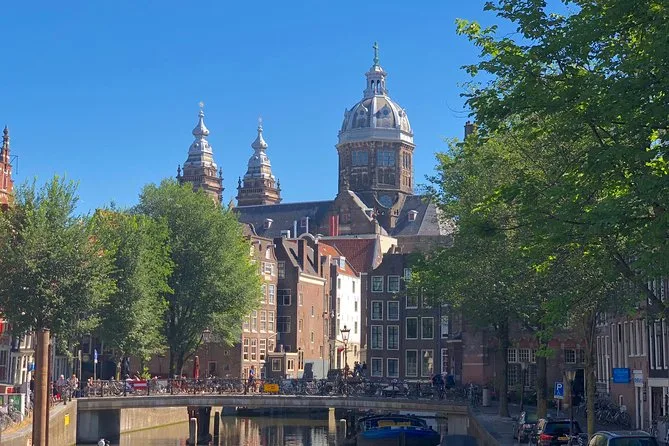
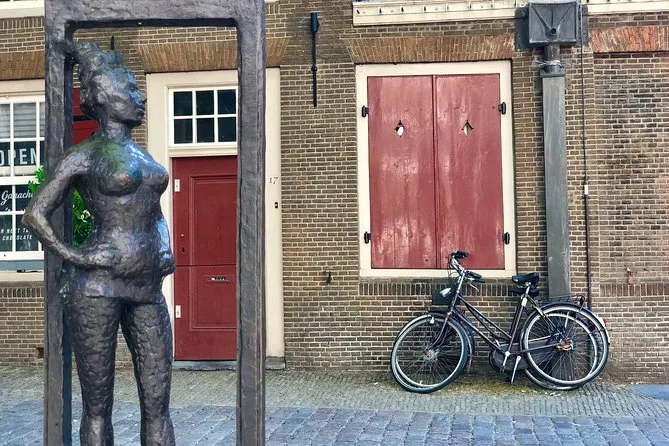
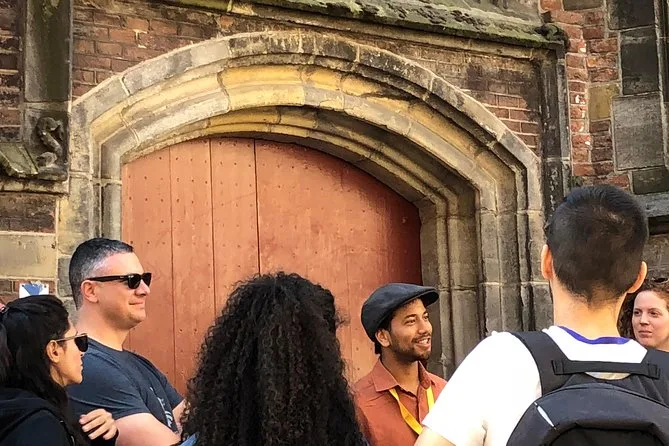
We wandered through narrow lanes where the Red Light District just sort of appears — not flashy, just there, part of everything. Sander told us about how churches and brothels used to do business side by side (I didn’t expect to laugh so much at church history). He showed us “Our Lord in the Attic” from outside — a secret Catholic church hidden above regular houses when Catholicism was illegal. You can’t go in on this tour but he had these photos that made it feel real anyway. At Waterlooplein Market he got quiet for a second talking about how the Jewish quarter was nearly wiped out during WWII — honestly, that hit harder than I thought it would. There’s still this echo in those streets.
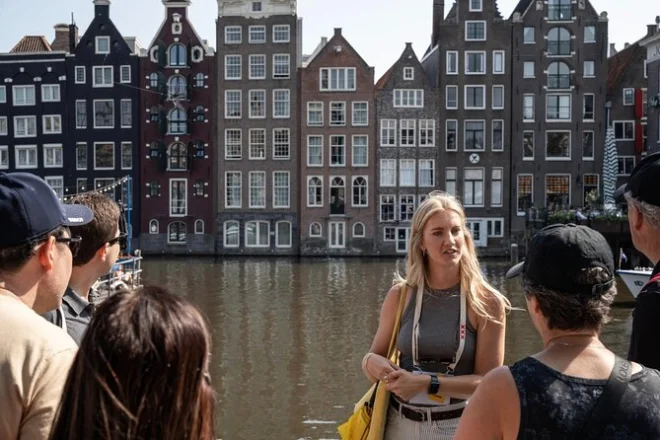
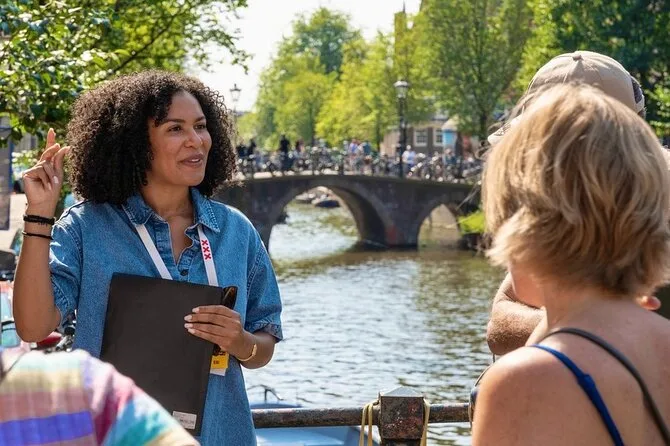
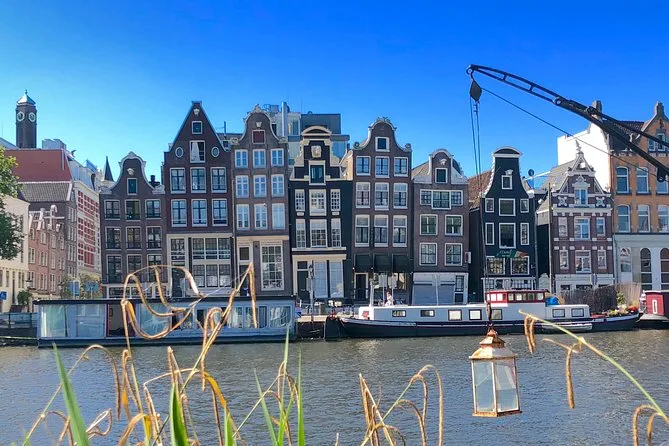
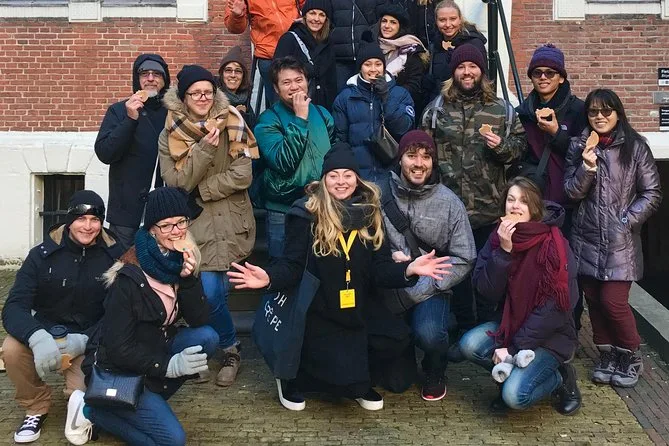
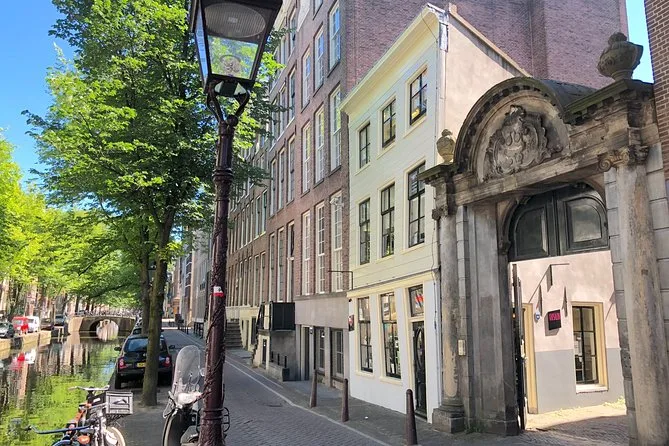
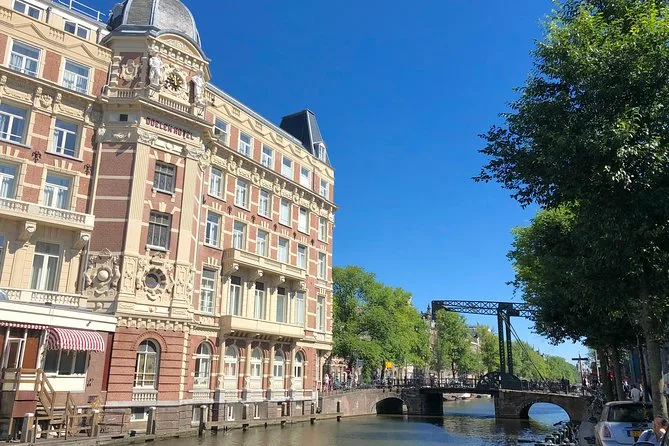
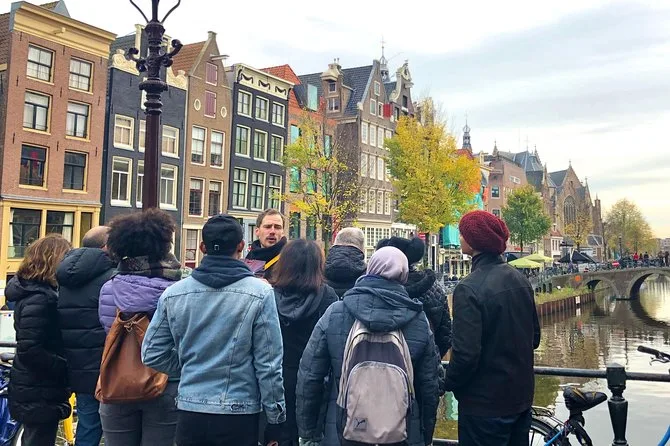
Somewhere near one of those canals (I lost track which), we stopped to talk about why all the houses are so skinny and crooked — apparently some are tilted on purpose? Sander explained it while munching on stroopwafel cookies he handed out (chewy caramel inside, ridiculously good). He joked that Dutch people keep their curtains open because they have nothing to hide — “or maybe just too many plants,” he shrugged. The whole time there were locals zipping by on bikes that looked like they’d survived five wars; apparently there are more bikes than people here.
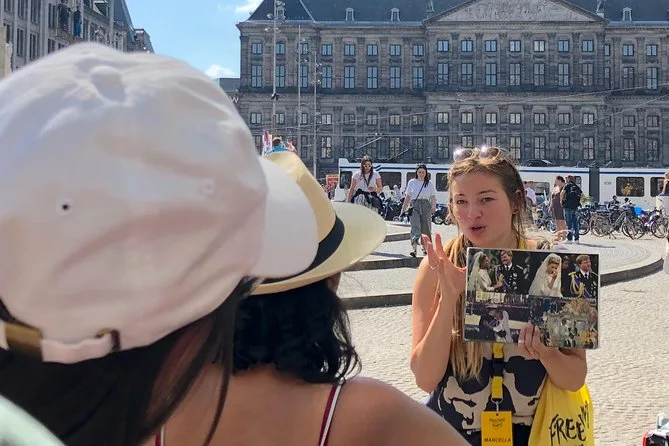
The tour ended at Dam Square by the Royal Palace. Sander had these old paintings and gossip about the royal family (he seemed way too amused by it all). I left feeling like I’d seen Amsterdam’s messy heart up close—its contradictions, its rough edges and strange warmth. Even now I sometimes remember that quiet moment in Waterlooplein or the way sunlight hit those canal houses—small things stick with you longer than you’d think.
 2h 30m

Step-by-step itinerary
Day 1 — Explore Amsterdam's history and culture
- Discuss Amsterdam origins by old exchange
- Explore Red Light District history
- View hidden church exterior and history
- Explain Dutch drug policies and coffeeshops
- Discover Rembrandt's first major painting
- Learn about 17th century trading empire
- Visit oldest market in former Jewish Quarter
- Discuss Amsterdam canals and architecture
- Explore Dutch bike culture in former monastery
- Learn about Royal Palace and monarchy

Top questions

How long is this Amsterdam walking tour?
The tour typically lasts around 2 to 2.5 hours as you explore central Amsterdam on foot.
Does this tour include entry to any museums or churches?
No museum or church entry is included; you’ll see places like Our Lord in the Attic from outside with photos shown by your guide.
Is this Amsterdam walking tour wheelchair accessible?
Yes, all areas and surfaces are wheelchair accessible; prams and service animals are welcome too.
Are snacks or drinks provided during the tour?
You’ll be treated to typical Dutch cookies (stroopwafels) during the walk.
Where does this walking tour end?
The tour ends at Dam Square near the Royal Palace Amsterdam (Koninklijk Paleis).
What neighborhoods does this walking tour cover?
You’ll visit areas around Amstel River, Red Light District, Waterlooplein Market, Damrak, and more central spots.
Is tipping required for this tip-based Amsterdam tour?
Tipping is encouraged based on what you feel the tour was worth; only a small booking fee is paid upfront online.
Are guides locals or professional historians?
Your guide will be super-local—someone who lives in Amsterdam and shares personal insights along with historical facts.

What’s included
Your day includes a guided walk through central Amsterdam with stops for storytelling supported by maps and photos; a taste of typical Dutch cookies; a small souvenir; plus friendly recommendations from your local guide before finishing at Dam Square near public transport options.
 Super deal
  Free booking, free cancellation.
  Don't lose your place.


 Do you need help planning your next activity?


