


Seoul DMZ Tour: 3rd Tunnel, Gondola & Suspension Bridge



Summary
Walk tunnels beneath the DMZ, peer into North Korea, glide by gondola
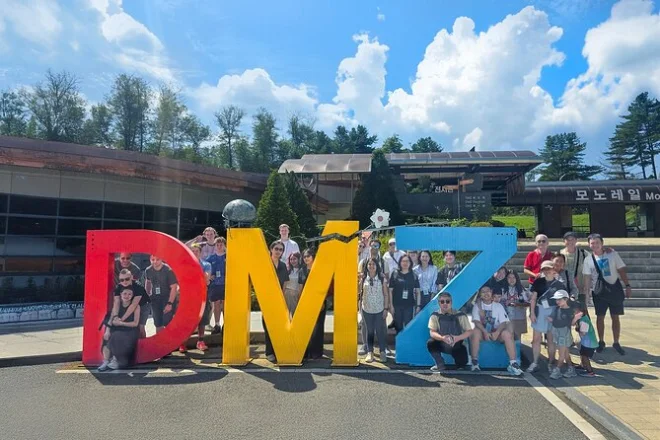
You’ll step into history at the DMZ from Seoul—walking through tunnels dug beneath borders, peering across to North Korea from Dora Observatory, gliding over rivers by gondola or braving a suspension bridge with mountain views. With a local guide sharing stories along every stop—and time for quiet moments—you’ll feel both the tension and hope of this place.

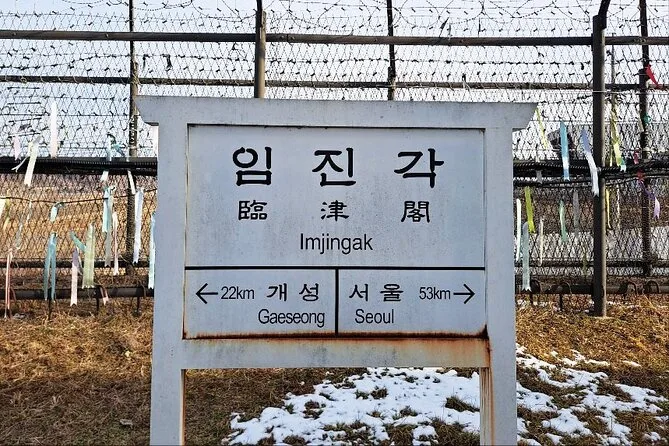
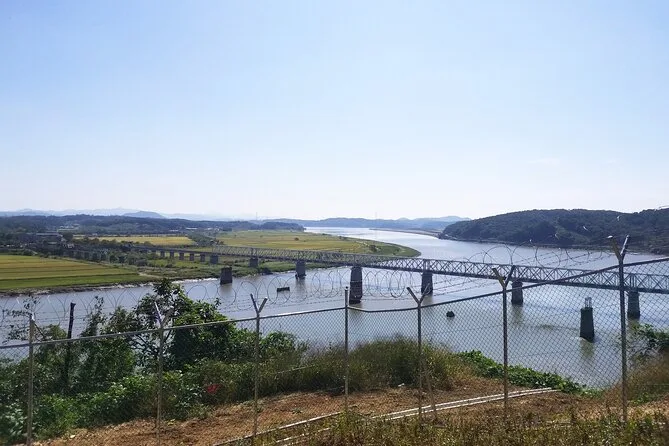
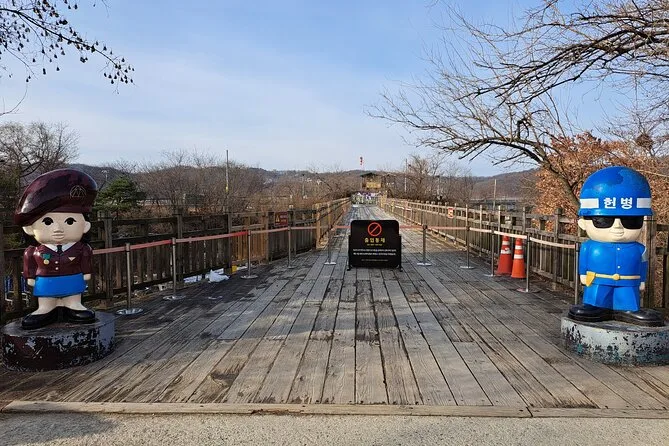
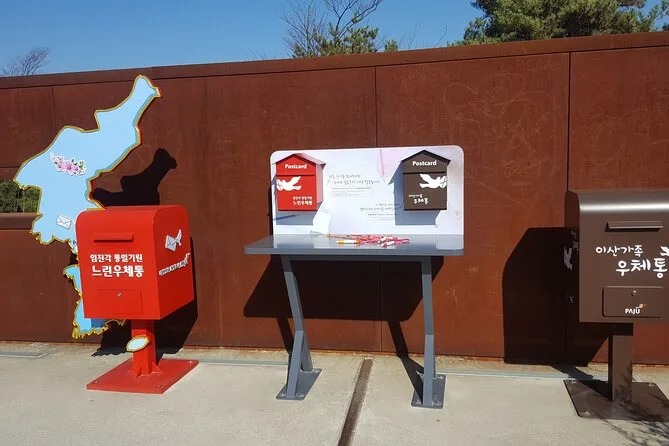
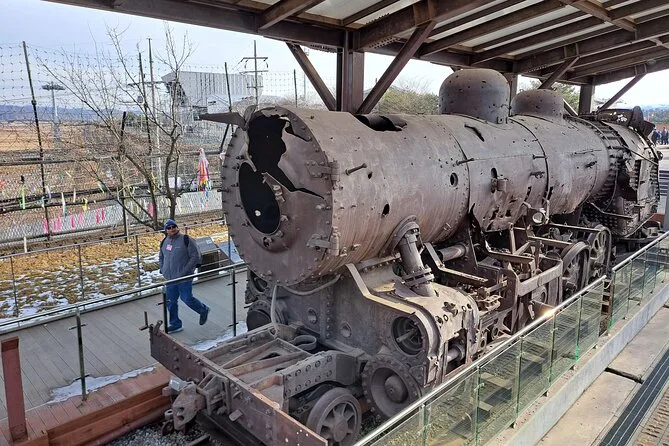
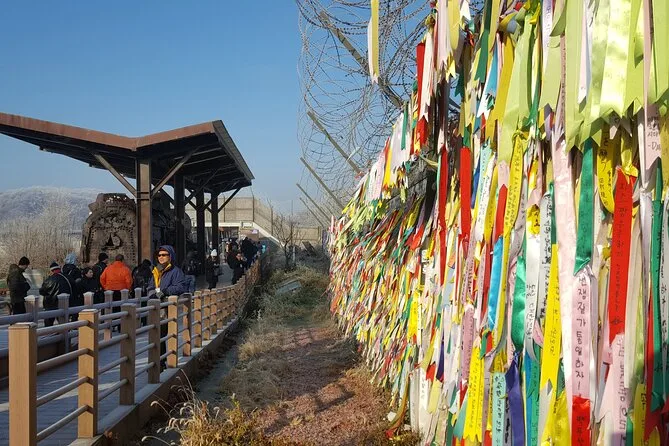
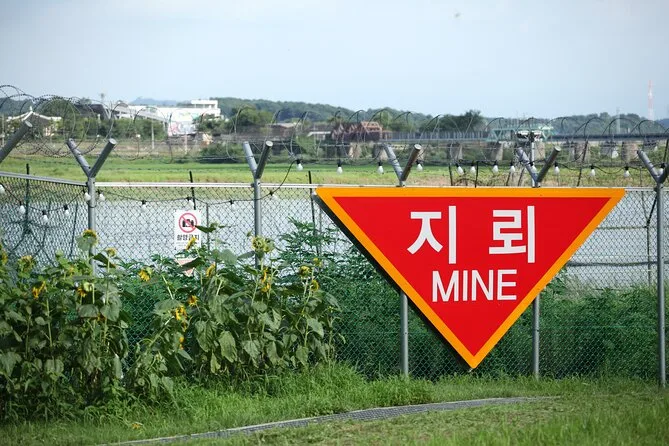
We rolled out of Seoul just after sunrise—still half-awake, clutching coffee from the station. Our guide Minji was already bright-eyed, cracking jokes about her “DMZ playlist” (which was just ABBA on repeat). The city faded fast behind us and suddenly there were rice paddies, then military fences. I didn’t expect to feel nervous, but you do. At Imjingak Park, the air felt heavy in that way places with too much memory sometimes do. There were yellow ribbons tied everywhere—messages for families divided by the border. We crossed Freedom Bridge quietly. I caught a whiff of incense from someone’s offering nearby.
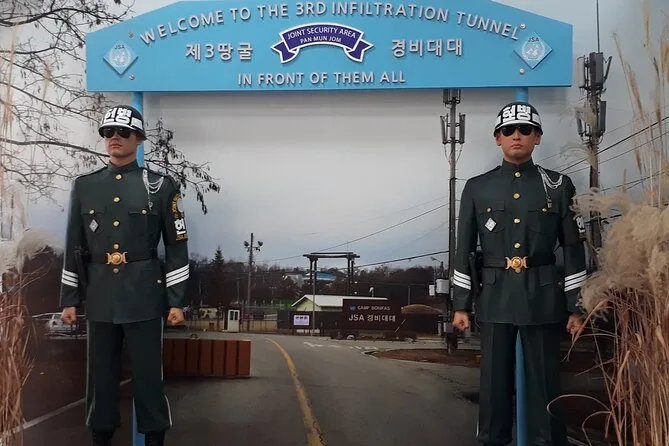
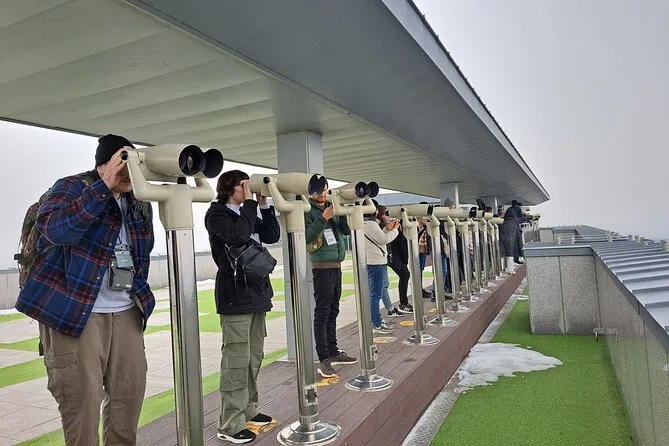
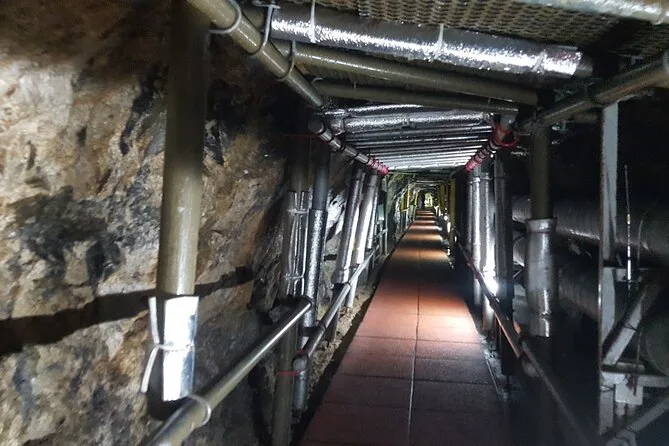
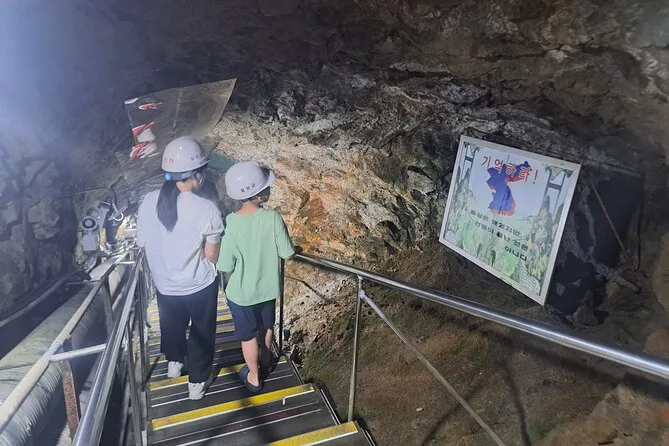
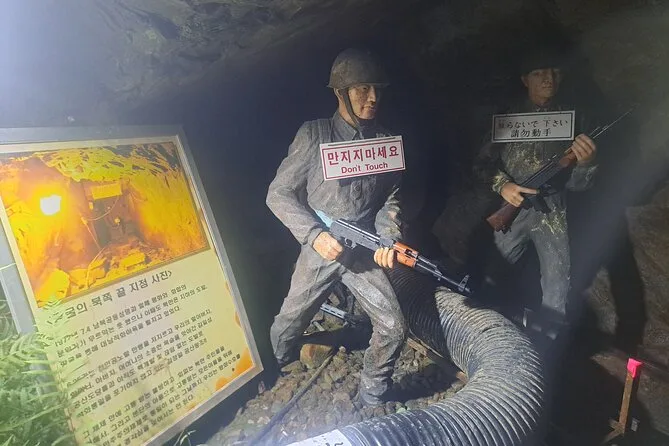
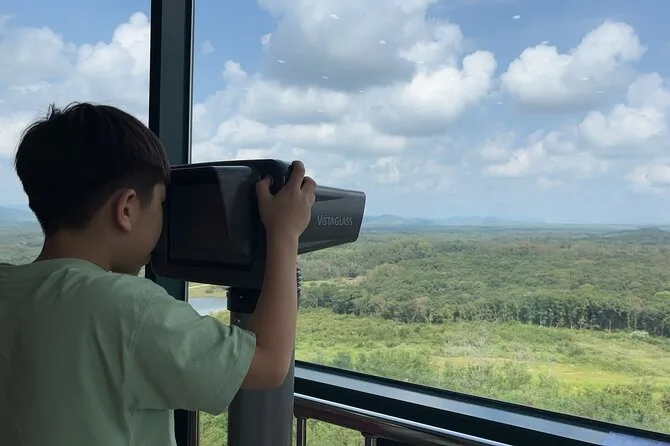
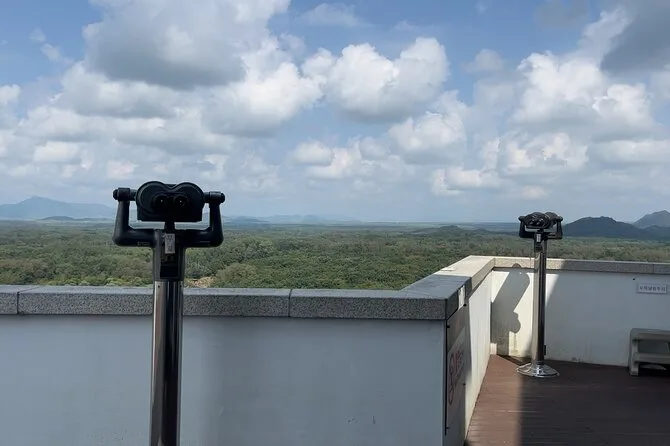
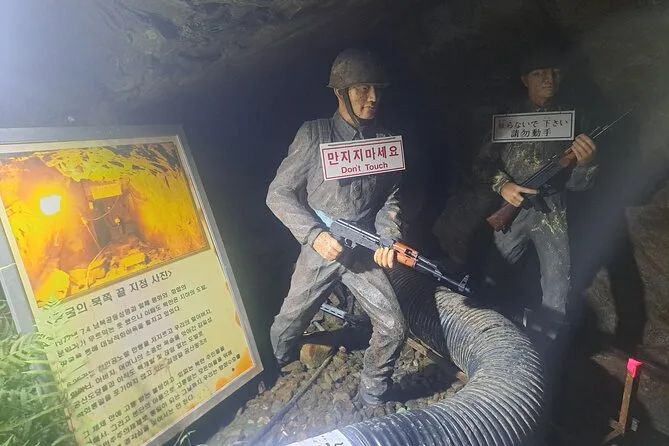
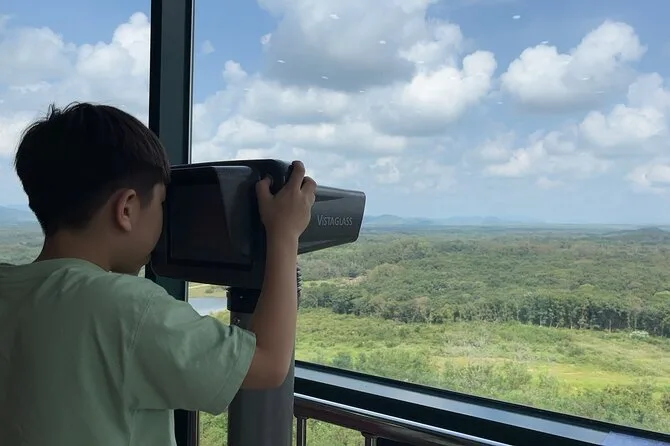
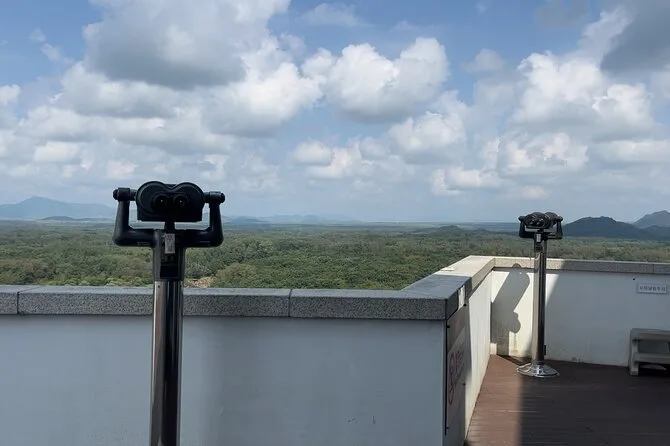
The 3rd Infiltration Tunnel was next—Minji handed out hard hats (“trust me, you’ll need it”). The tunnel is cramped and damp, echoing with footsteps and your own breath. It’s surreal knowing North Korea dug this toward Seoul; honestly, my heart thudded louder than I’d admit. After squeezing back up to daylight (legs burning), we hit Dora Observatory. The view is strange—flat fields, distant mountains, and through those binoculars… tiny buildings in North Korea. It’s oddly quiet except for kids giggling at the coin-operated viewers. Someone tried to spot movement on the other side; we all did.
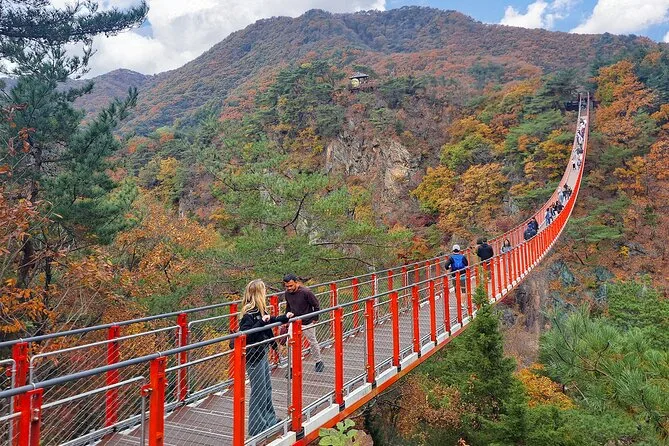
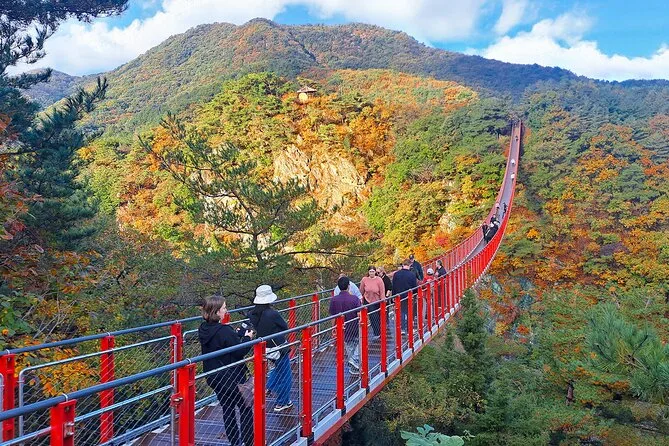
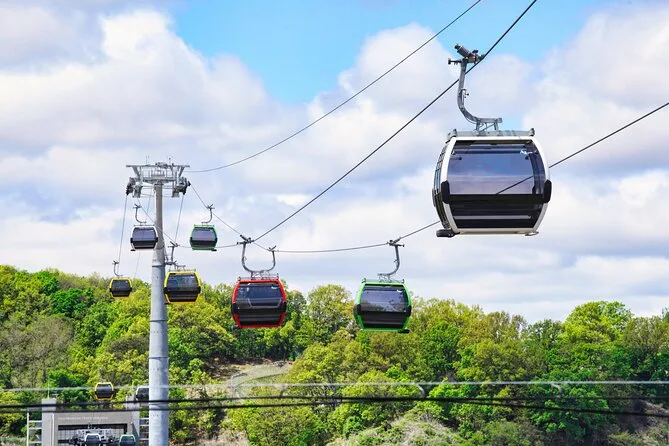
If you pick the gondola option (we did), it glides over the Imjin River toward Gallery Greaves. The windows fogged up a little but cleared just as we passed above pine trees and old bunkers—Minji pointed out wildflowers below and told us how her grandfather used to fish here before the war. She laughed when I asked if she’d ever tried crossing the suspension bridge in winter (“Only once! Never again!”). Crossing Chulleong Bridge later was less scary than I thought—the wind tugged at my jacket and I gripped the rail anyway.
I keep thinking about that moment on the bridge: looking down at rocks streaked blue-black under running water, hearing nothing but wind and a far-off bird call. We passed through Unification Village on our way back—a few locals waved as we drove by tractors parked beside tiny shops selling tofu ice cream (which I regret not trying). The whole DMZ day trip from Seoul felt both weighty and weirdly hopeful somehow.
 7h–11h

Step-by-step itinerary
Day 1 — DMZ tour and scenic bridge visit
- Visit Imjingak Park and Freedom Bridge
- Explore the 3rd Infiltration Tunnel
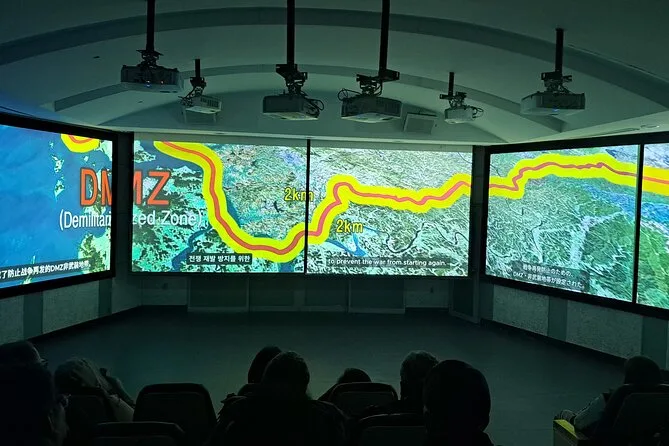
- Tour the DMZ Exhibition Hall
- Observe North Korea from Dora Observatory
- Pass through Unification Village
- Visit Suspension Bridge for views and photos

Top questions

How long does the DMZ tour from Seoul take?
The full day tour typically lasts around 8–9 hours including transfers.
Is hotel pickup included in this DMZ tour?
No hotel pickup; meeting point details are provided after booking.
Can you visit both the gondola and suspension bridge?
You can choose either gondola or suspension bridge as an option during booking.
What do you see at Dora Observatory?
You can look across to North Korean territory using binoculars if weather allows.
Is lunch included on this DMZ day trip?
No lunch is included; bring snacks or buy food during stops.
Are passports required for this tour?
Yes—a valid passport is mandatory for every participant to enter DMZ sites.
Can people with mobility issues join this tour?
The 3rd Tunnel requires intermediate hiking; not recommended for those with heart or leg problems.
What happens if weather or political events close parts of the DMZ?
The itinerary may change or be rescheduled/refunded due to closures for safety reasons.

What’s included
Your day includes round-trip transfers from Seoul in an air-conditioned vehicle, entry tickets for all scheduled attractions like Imjingak Park, Dora Observatory, and either a gondola ride or access to Chulleong Suspension Bridge depending on your choice. An English-speaking local guide leads throughout; meeting a North Korean defector is available some days as an option too—all you need is your passport (and maybe some curiosity).
 Super deal
  Free booking, free cancellation.
  Don't lose your place.


 Do you need help planning your next activity?


