


New Orleans: Urban Enslavement Tour at Hermann-Grima House


Summary
Walk through french quarter history at hermann-grima house where real stories linger in the walls
You’ll walk through Hermann-Grima House with a local guide who brings stories of urban enslavement to life—from standing in original slave quarters to hearing names read aloud in quiet rooms. Expect moments that stick with you long after—like sunlight on old bricks or Denise’s voice lingering as you leave through that iron gate.

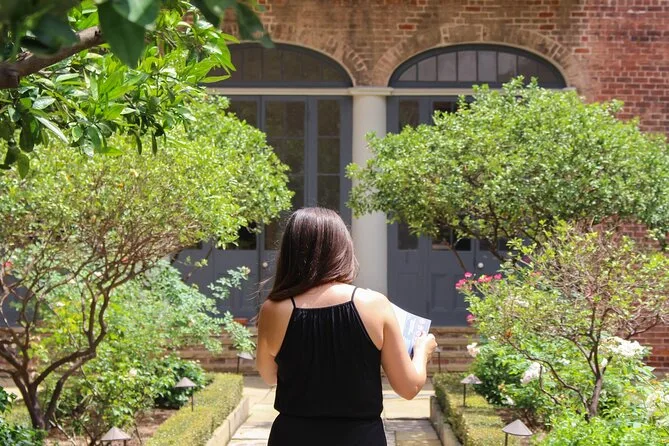
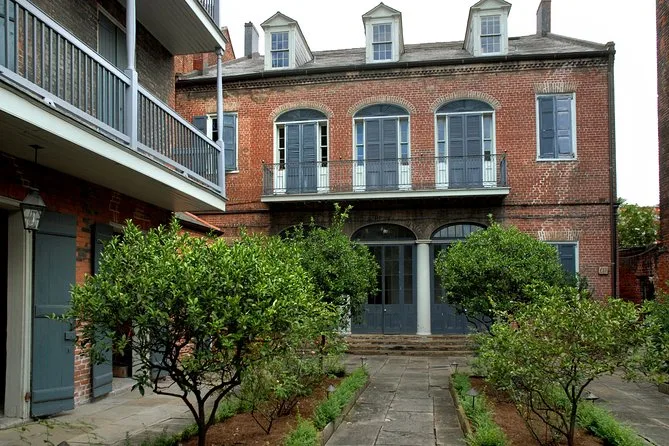
I almost missed the start because I got distracted by a street band on St. Louis Street—brass echoing off old brick, you know how it is in New Orleans. By the time I ducked under the iron gate of Hermann-Grima House, our guide (I think her name was Denise?) was already gathering everyone in the courtyard. She had this calm way of talking that made me pay attention, even though my mind was still half outside with the music.
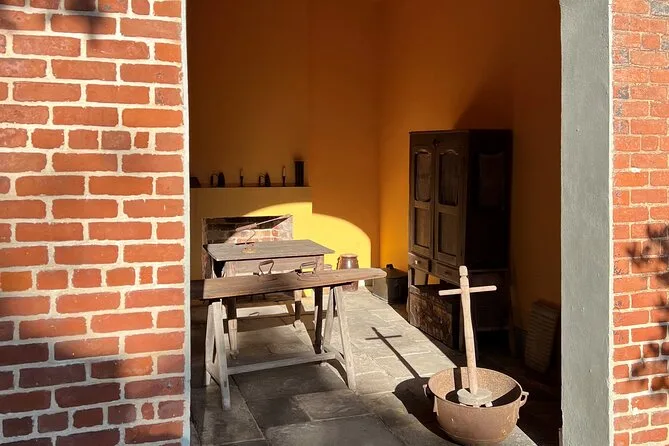
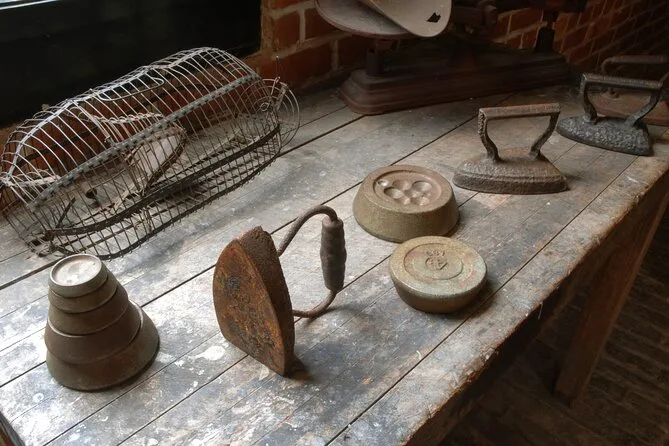
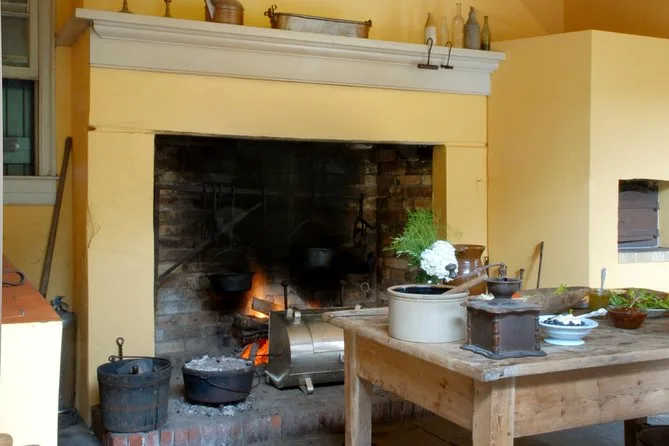
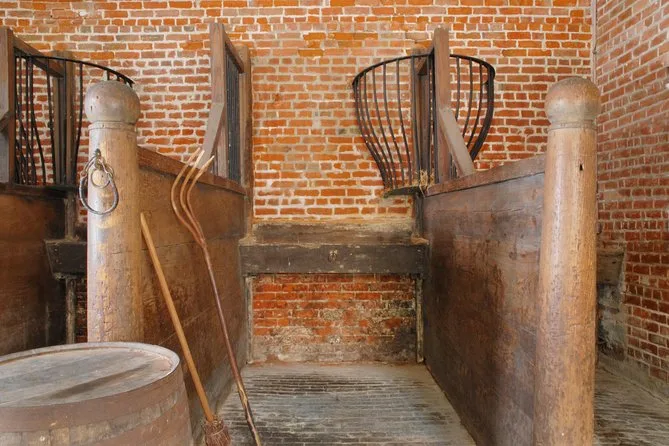
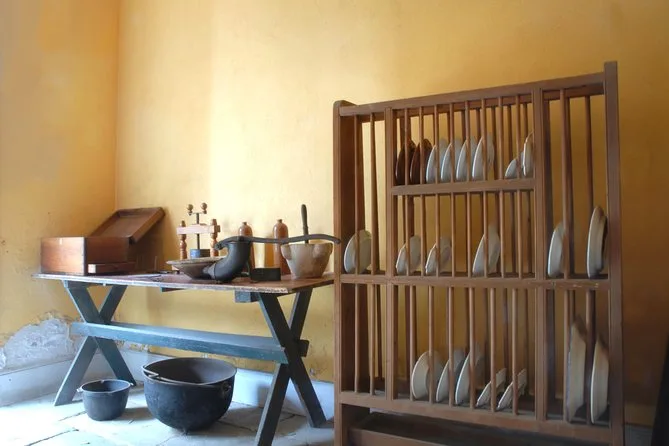
The tour focused on urban enslavement, which honestly, I hadn’t thought about much before. Most stories you hear are about plantations out in the country, but here it’s right in the middle of the French Quarter. Denise pointed to the slave quarters—small brick rooms behind the main house—and described daily routines. There was this faint smell of wood smoke near the old kitchen; she said they still use the open hearth sometimes for demonstrations. The kitchen felt both ordinary and heavy, like it remembered things nobody says out loud.
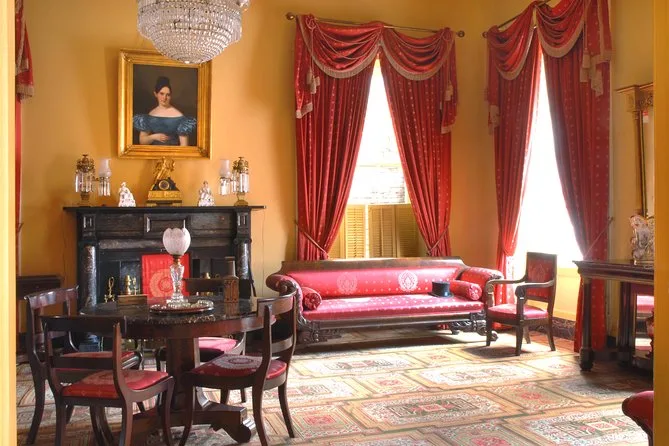
At one point, Denise paused by a faded ledger on display and read out a name—Marie, I think—and for a second it was quiet except for someone’s shoes squeaking on tile. That stuck with me more than anything else. We wandered through rooms with high ceilings and creaky floors, sunlight slanting through shutters onto old furniture. It’s strange to realize how close together everyone lived—owners and enslaved people under one roof, their lives tangled up but worlds apart.
Afterwards I poked around The Exchange Shop in what used to be the carriage house (they’ve got pralines and these odd little bonnets). The shop’s run by women from a nonprofit that’s been around since 1881—Denise told us that too, almost as an afterthought. Anyway, if you’re looking for a day trip in New Orleans that doesn’t gloss over history, this is it. Just don’t get lost listening to jazz outside first.
 1h
1h

Step-by-step itinerary
Day 1 — Explore Hermann Grima House and tour
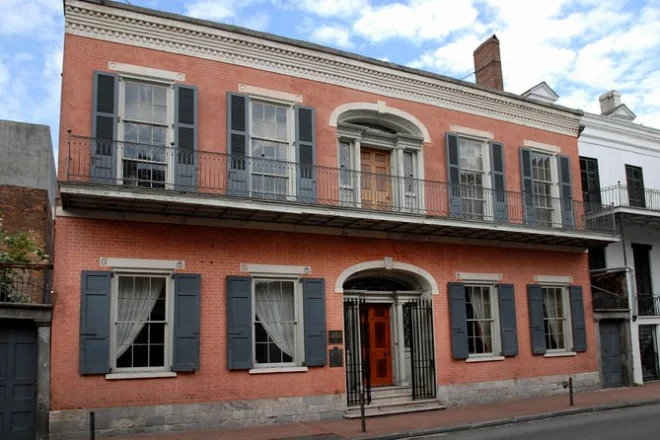
- Visit restored French Quarter home
- See Federalist architectural façade
- Explore original open-hearth kitchen
- Tour urban slave quarters
- Walk through expansive courtyard
- Learn about urban enslavement history
- Discover African descent contributions
- Visit 19th-century carriage house
- Shop at The Exchange Shop

Top questions

What is included in the Urban Enslavement Tour at Hermann-Grima House?
The tour includes entry to Hermann-Grima House and guidance from a professional local guide.
Where does the tour take place?
The tour is held at Hermann-Grima House in New Orleans’ French Quarter.
Is public transportation available nearby?
Yes, there are public transportation options close to Hermann-Grima House.
Are service animals allowed on this tour?
Yes, service animals are permitted during the tour.
Is this day trip suitable for all fitness levels?
Yes, it’s suitable for all physical fitness levels.
What does the Urban Enslavement Tour focus on?
The tour explores experiences of enslaved people in urban settings and their impact on New Orleans culture.
Does this tour include access to The Exchange Shop?
You can visit The Exchange Shop inside the property’s former carriage house after your guided tour.

What’s included
Your day includes entry to Hermann-Grima House and a guided walk led by a professional local guide who shares stories throughout each room and courtyard; you’ll also have time afterwards to browse The Exchange Shop before heading back into the French Quarter streets.
 Super deal
  Free booking, free cancellation.
  Don't lose your place.


 Do you need help planning your next activity?


