


Sapa Hidden Trail Trek: Mountain & Rice Valley Day Hike


Summary
Walk ancient trails from Sapa to Muong Hoa valley meeting Hmong & Dao people along the way
You’ll hike hidden trails from Sapa town up Dragon Jaw Mountain for sweeping views of Muong Hoa valley, share lunch with locals in Hang Da village, cross bamboo forests, and visit ethnic H’Mong & Dao communities with your guide. Expect real mountain air, laughter over lunch, and quiet moments above the clouds.

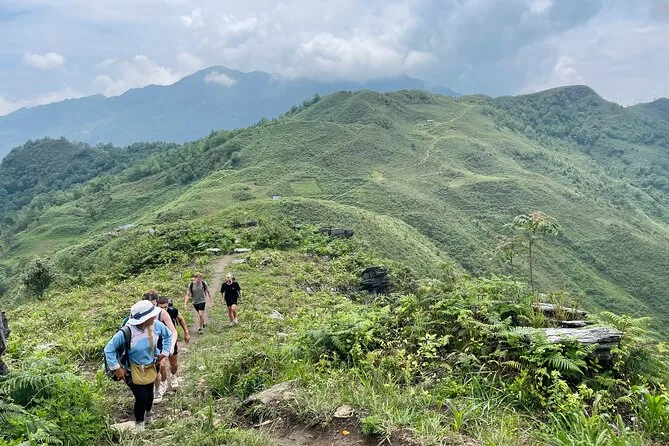
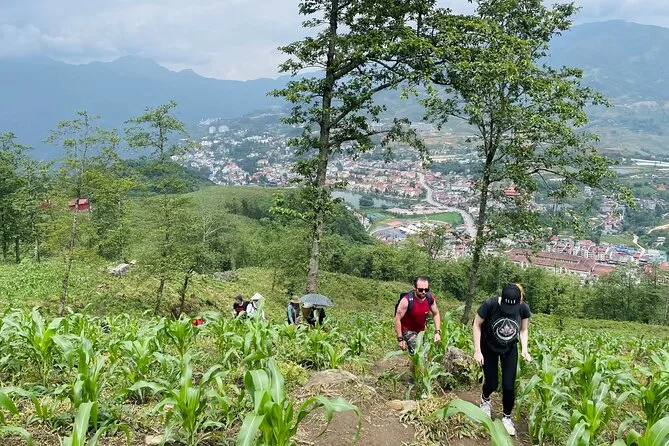
Li met us right outside the hotel — she waved with both hands, like she’d been waiting all morning. I tried to say “good morning” in Vietnamese but kind of stumbled over it. She just grinned and switched to English, said we’d need our jackets because Sapa mornings can trick you with sun then suddenly throw mist at your face. We set off through the edge of town and almost right away the air changed — it smelled wet and green, like cut corn and something woody I couldn’t place.
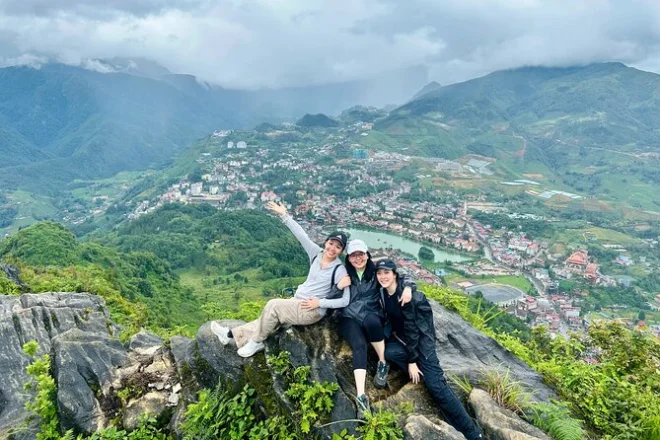
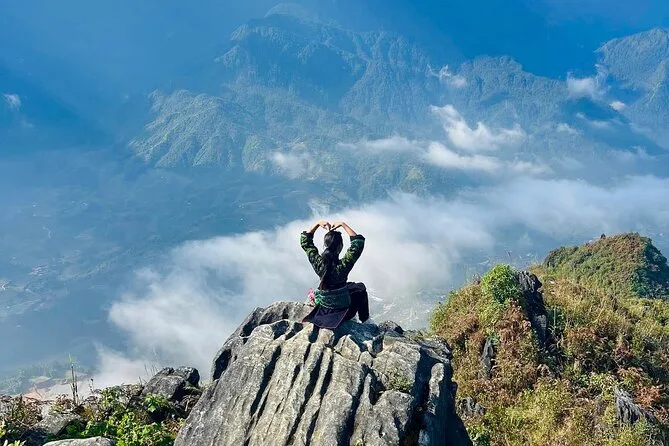
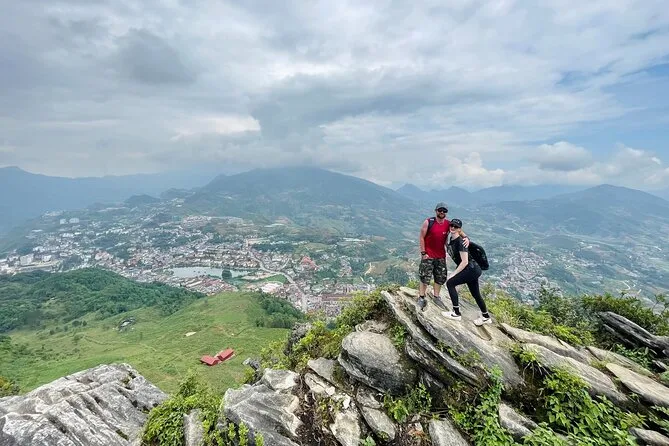
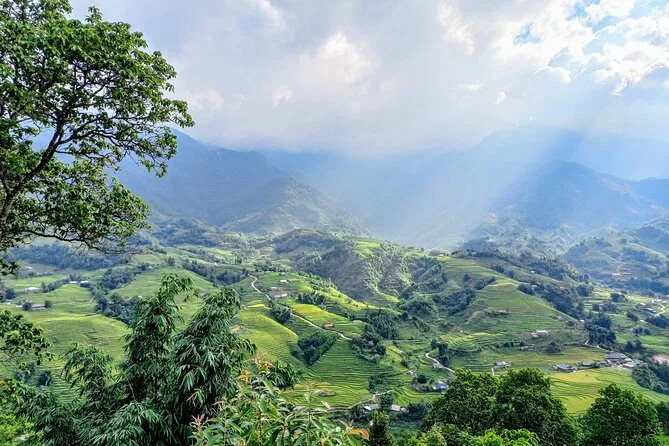
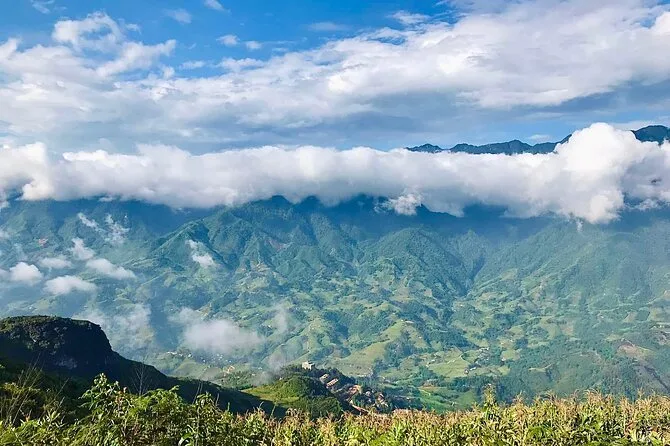
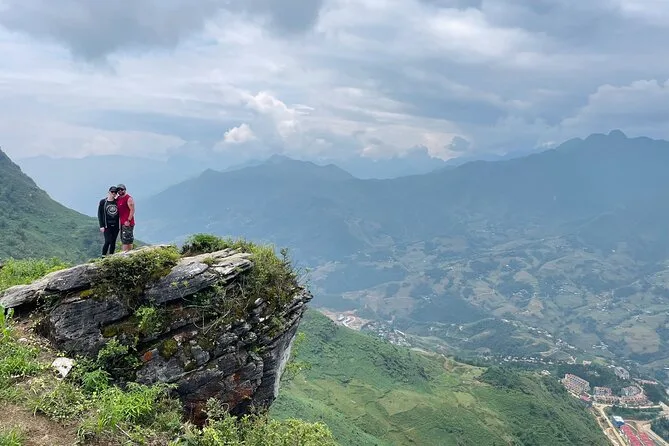
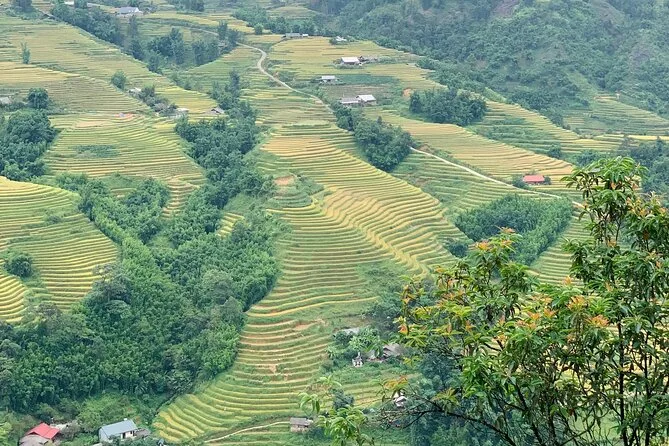
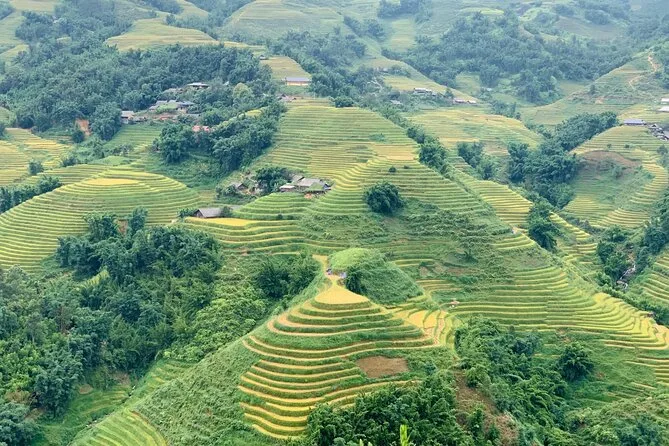
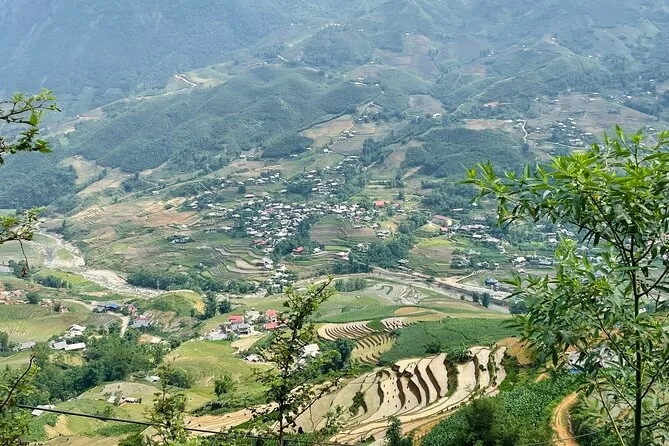
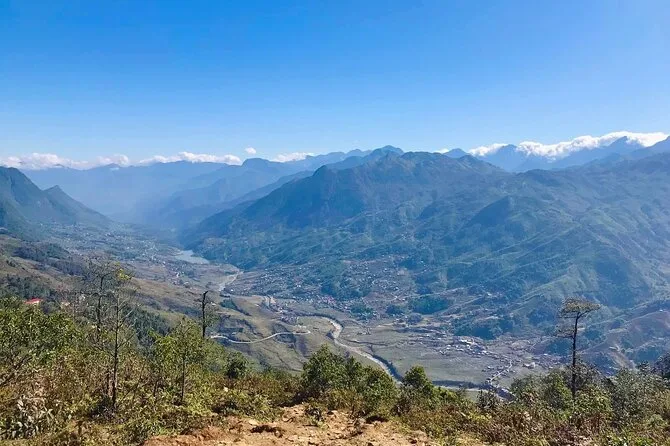
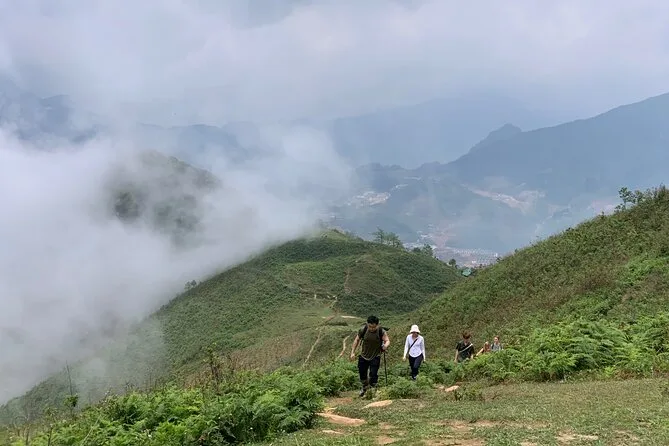
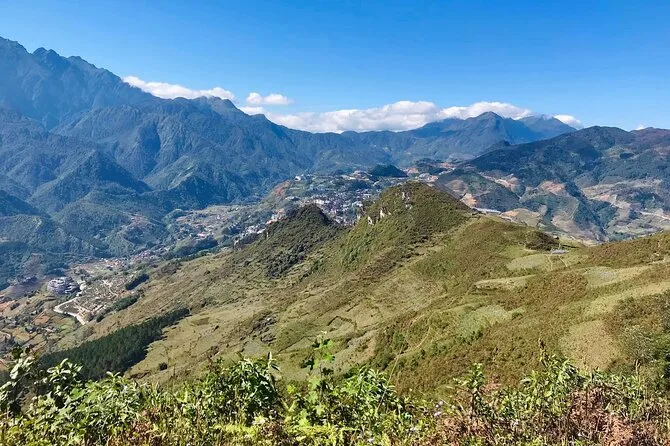
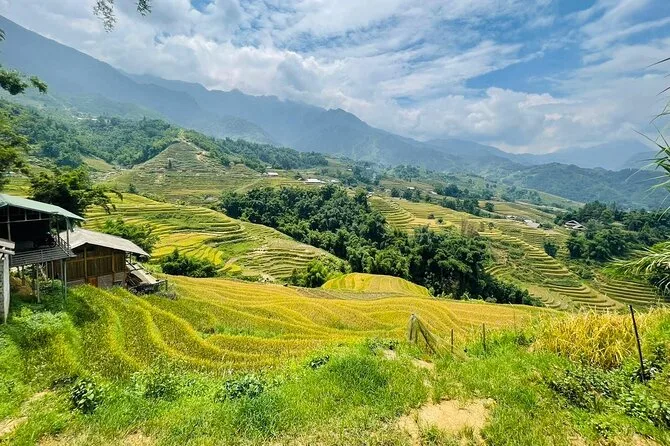
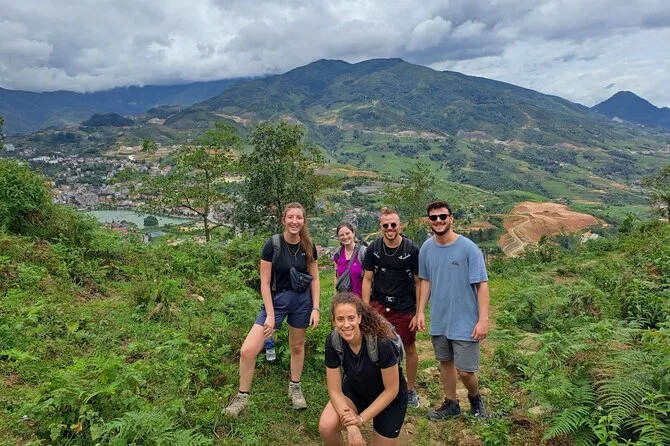
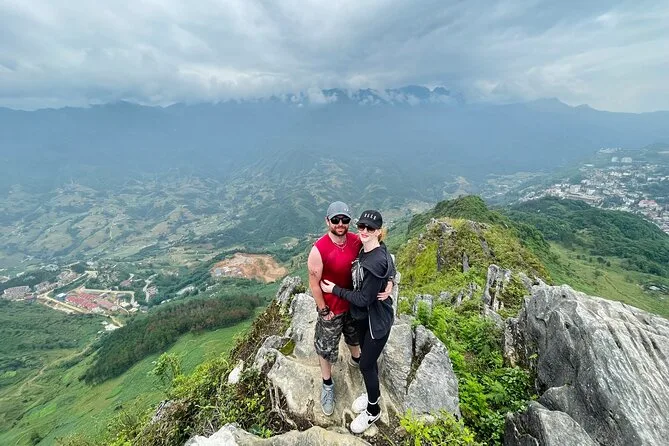
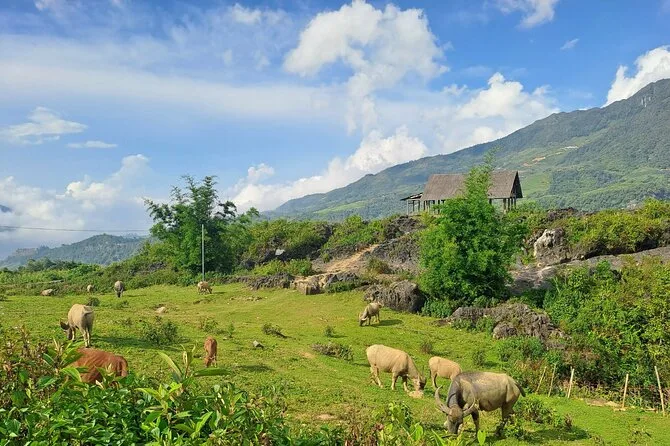
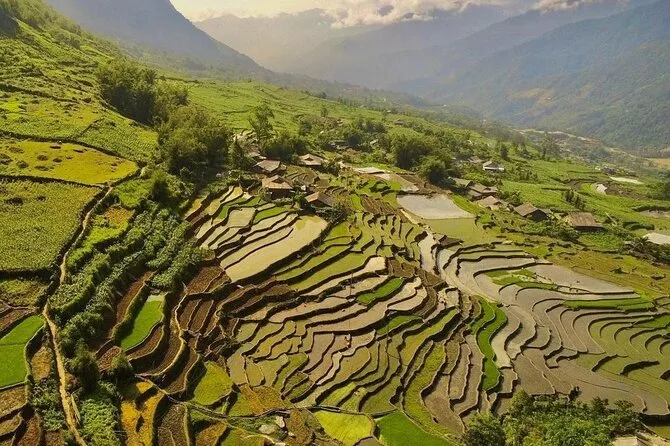
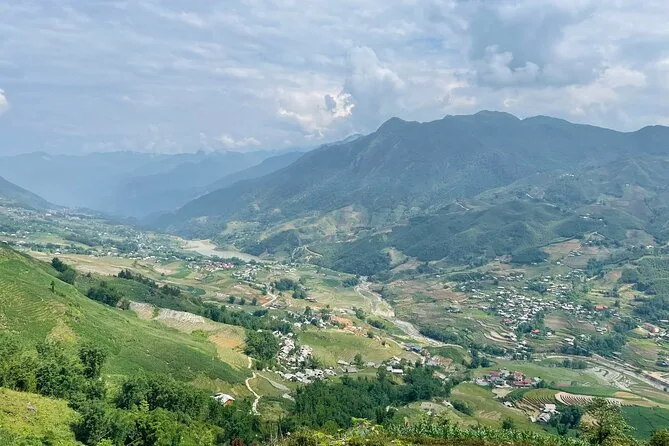
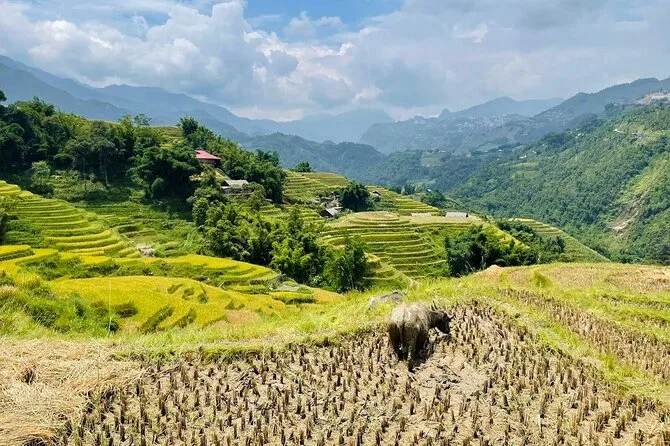
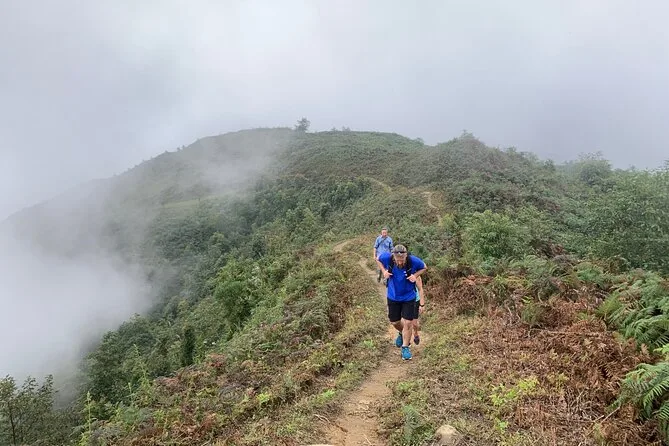
The climb up to Dragon Jaw Mountain took longer than I thought (maybe I’m slower than I admit), but Li kept pointing out things: a tiny purple flower that only grows here, some old stone walls half-swallowed by moss. At the top, the view just opened — Sapa town looked like toy houses scattered in a bowl, and Muong Hoa rice valley stretched out below us in these wild green terraces. Clouds drifted so low they touched the hills; Li said if you squint you can see Fansipan on a clear day. We just stood there for a minute not saying much. It was quiet except for someone’s rooster echoing from far off.
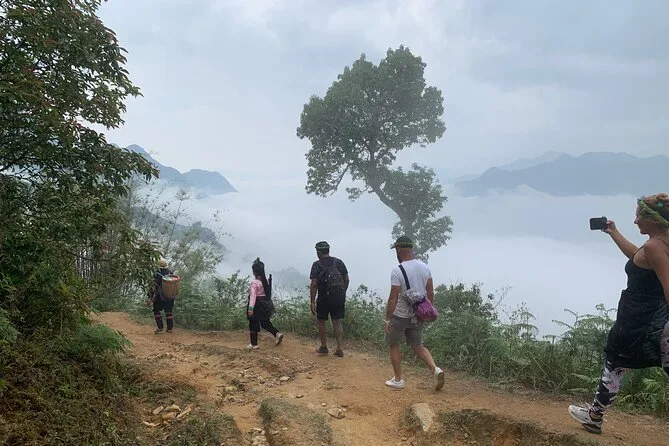
Lunch was at Hang Da village with the Black H’Mong people. The rice had this nutty taste — maybe it was the mountain water? — and there was pork cooked in bamboo that tasted smoky and sweet at once. Some kids watched us eat, giggling when one of us tried to use chopsticks left-handed (not me this time). After that we trekked down through Hau Chu Ngai village and into a patch of bamboo forest where everything felt cooler and softer underfoot. My legs were starting to complain but I didn’t really mind; there was always something new around each bend.
In Giang Ta Chai village we visited a tiny museum where our guide explained how the Red Dao women make their embroidered clothes by hand — she let me touch one of the jackets, heavy with threadwork. I still think about that texture sometimes when I close my eyes. We finished up with tea before piling into a van back to Sapa town, tired in that good way where your head is full but your feet are sore. It’s funny how quickly you get attached to places you barely knew existed yesterday.
 5h–6h
5h–6h

Step-by-step itinerary
Day 1 — Full day trek in Sapa mountains and villages
- Meet guide at hotel or Sapa Church
- Brief program introduction
- Hike from Sapa town through corn farm
- Reach Dragon Jaw Mountain and enjoy views
- Walk hidden trails through forests and hills
- Visit Hang Da village and have lunch
- Trek to Hau Chu Ngai village via bamboo forest
- Continue to Giang Ta Chai village
- Visit local museum and learn about cultures
- Return by car to town or accommodation

Top questions

How long is the Sapa Hidden Trail Trek?
The trek lasts one full day starting at 9:00am until late afternoon.
Is lunch included on this day trip from Sapa?
Yes, lunch featuring local dishes is included during the trek in Hang Da village.
Do I need to be very fit for this trek?
A moderate level of physical fitness is recommended as there are uphill sections.
Are local guides provided on this tour?
Yes, a local guide leads the entire trek from Sapa town through all villages.
Does this tour include transportation back to my hotel?
Yes, after finishing in Giang Ta Chai village you’ll be driven back to your accommodation or central Sapa.
What villages will we visit during the trek?
You’ll visit Hang Da (Black H’Mong), Hau Chu Ngai, and Giang Ta Chai (Red Dao).
Can I see Fansipan mountain on this hike?
If weather allows, you can spot Fansipan from Dragon Jaw Mountain during clear conditions.
What is special about Muong Hoa valley?
The valley is famous for its terraced rice fields and views stretching across northern Vietnam’s mountains.

What’s included
Your day includes pickup at your hotel or meeting at Sapa Church with a local guide leading you through mountain trails and villages; all entry fees are covered along with bottled water and a traditional lunch before transportation brings you back to town in the afternoon.
 Super deal
  Free booking, free cancellation.
  Don't lose your place.


 Do you need help planning your next activity?


