


Tokyo Asakusa: Tea Ceremony with Kimono & Two-Bowl Matcha


Summary
Experience Tokyo’s tea culture with hands-on matcha, kimono and sweet wagashi in historic Asakusa
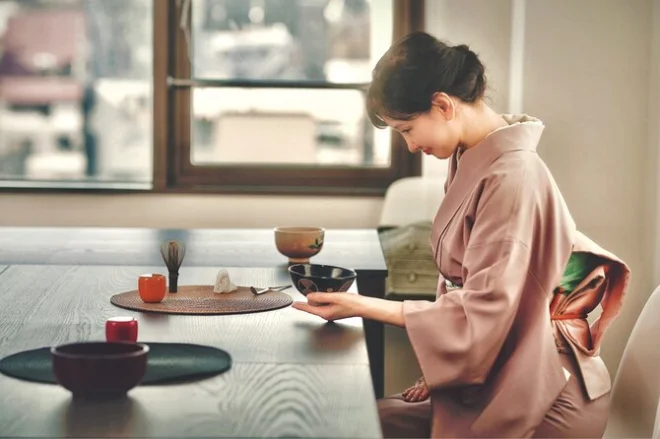
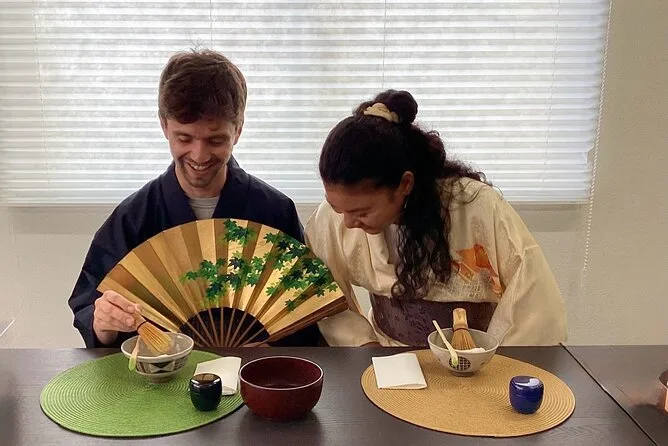
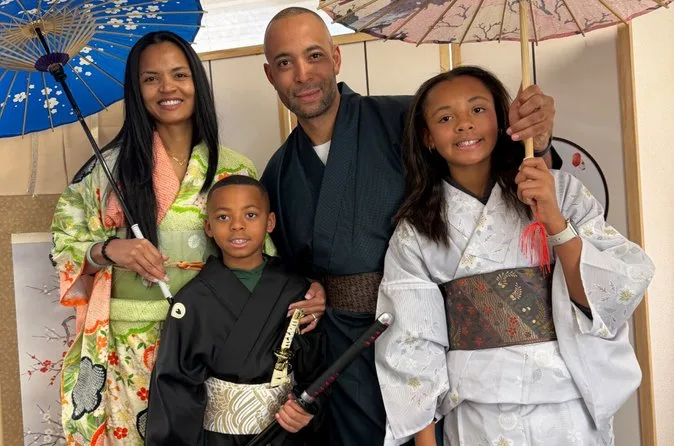
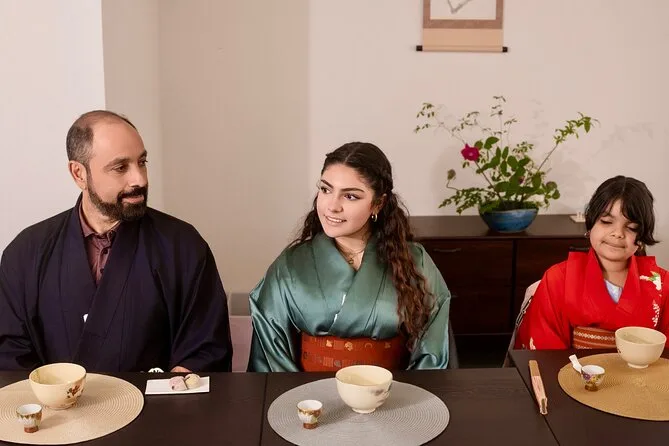
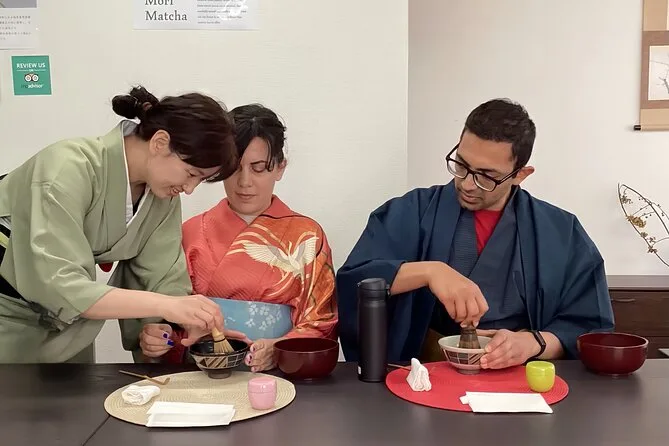
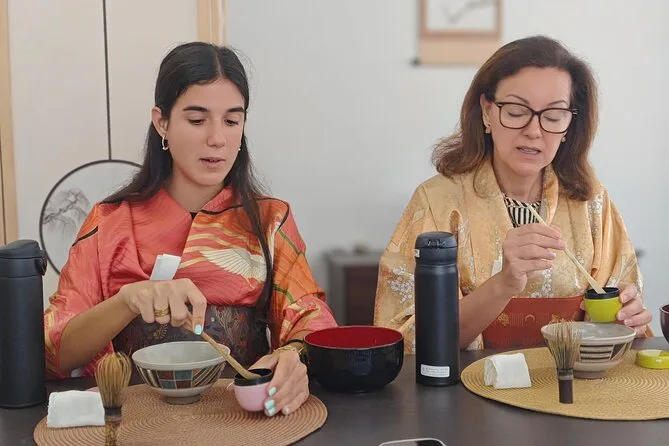
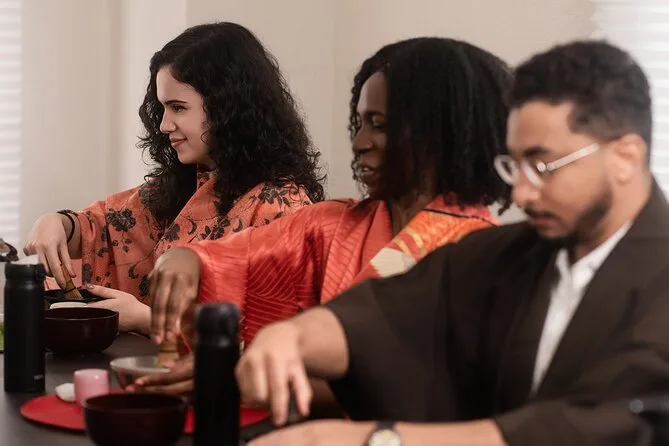
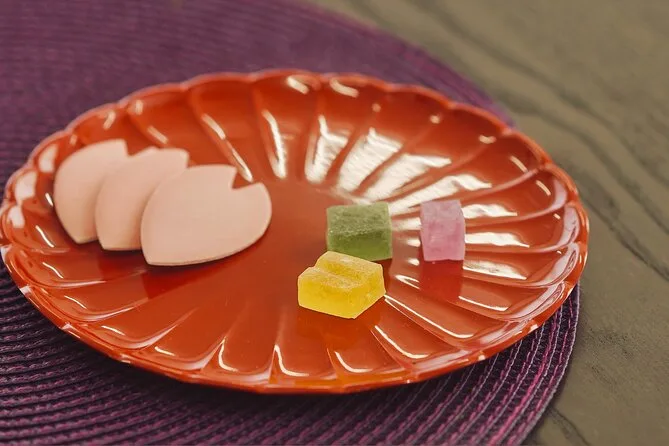
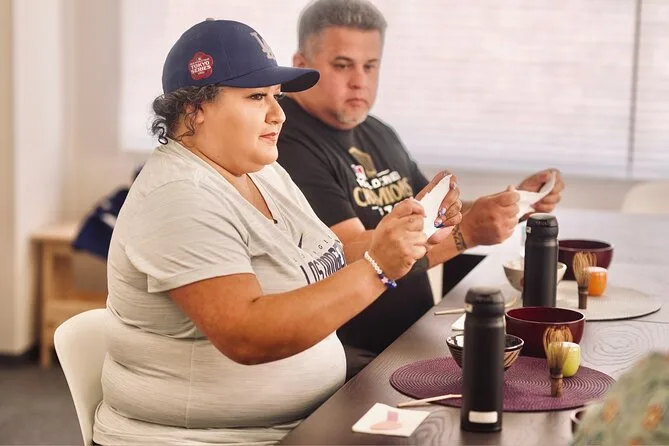
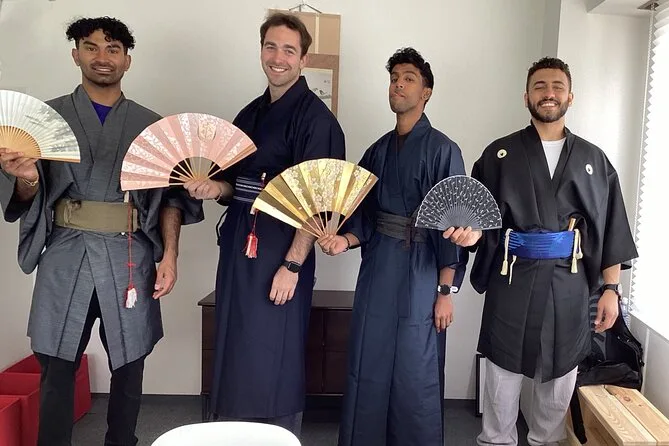
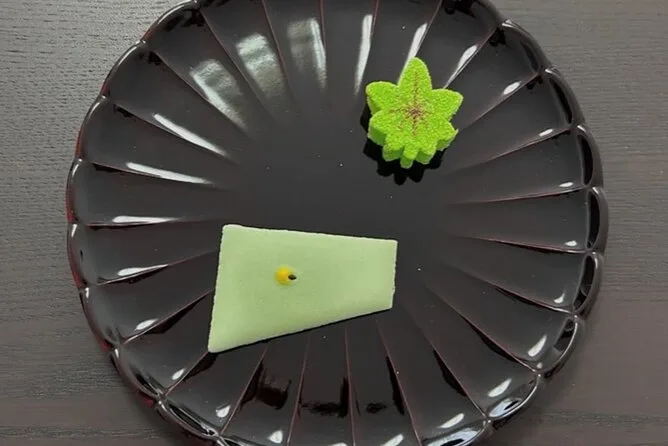
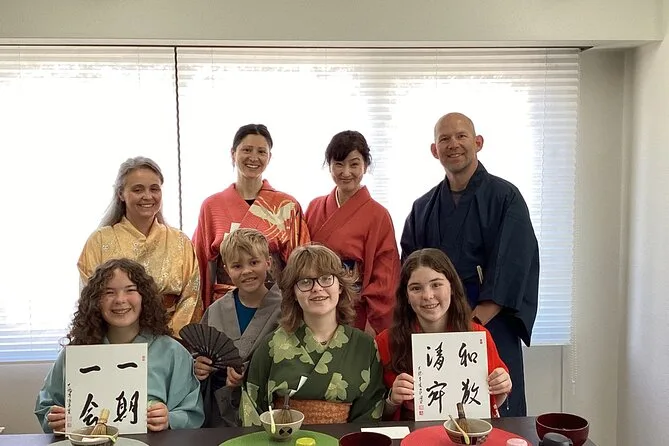
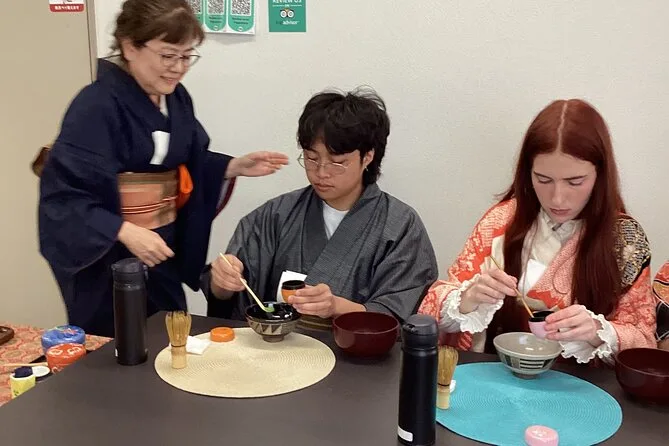
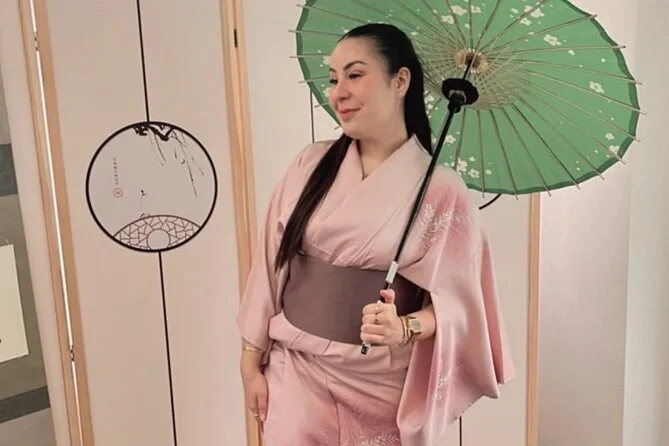
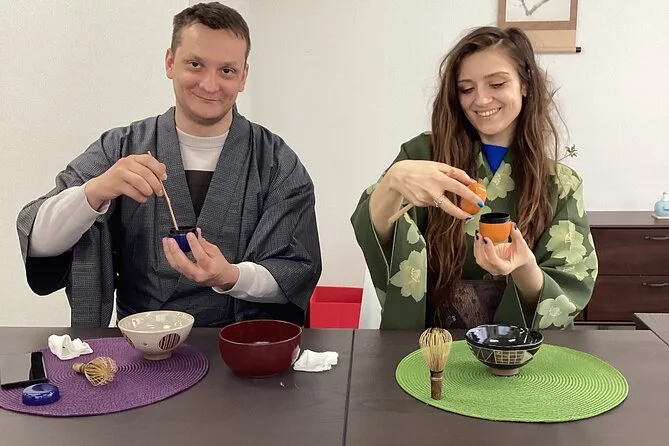
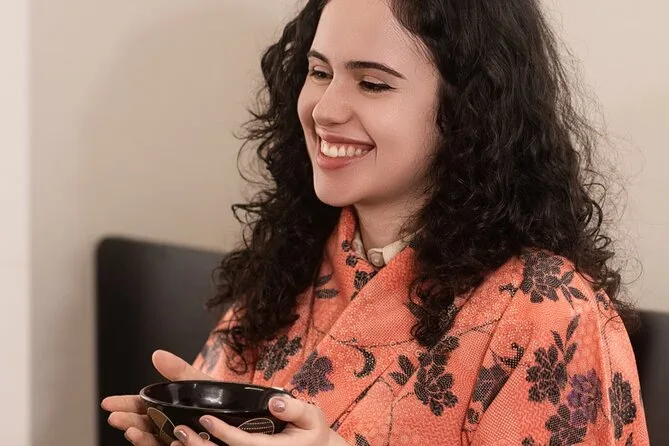
You’ll slip into a kimono (optional but fun), settle into table seating in Asakusa, and watch as your host prepares matcha before guiding you to make your own. Taste delicate seasonal wagashi alongside two bowls of premium matcha. It’s peaceful yet lively—a moment where tradition feels personal.

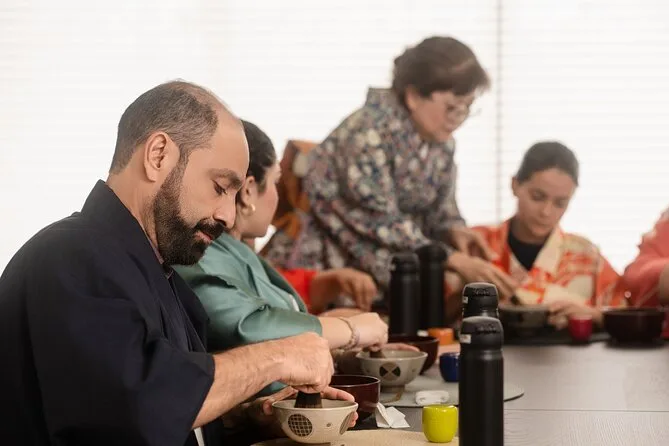
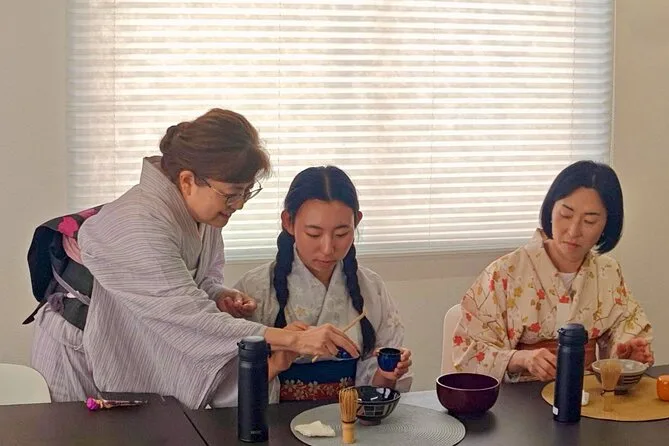
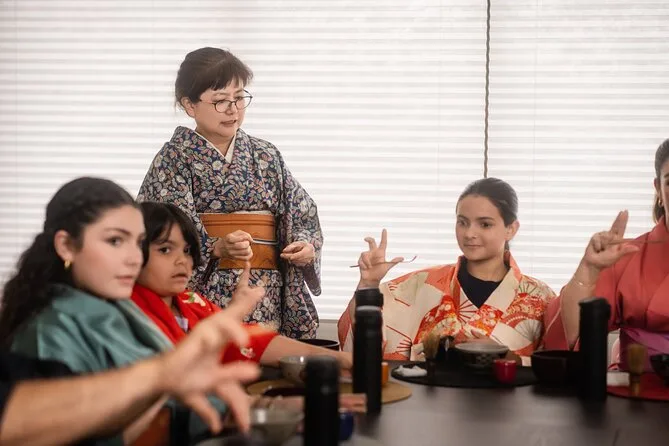
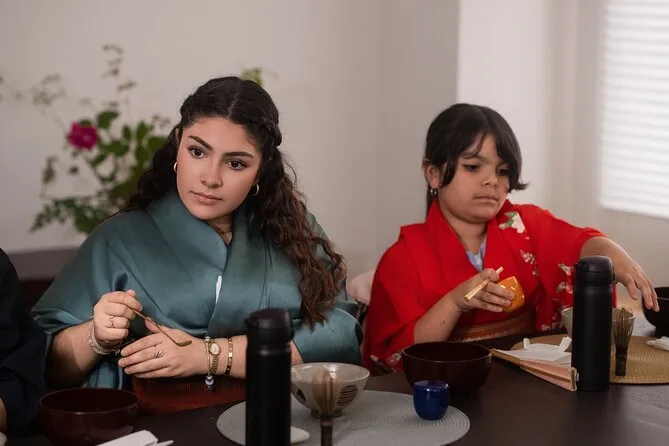
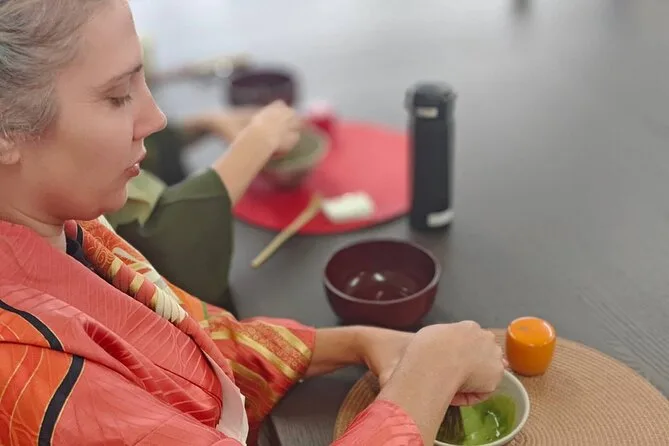
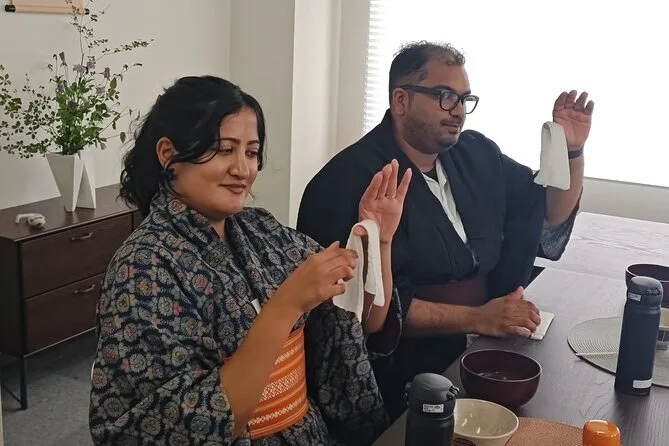
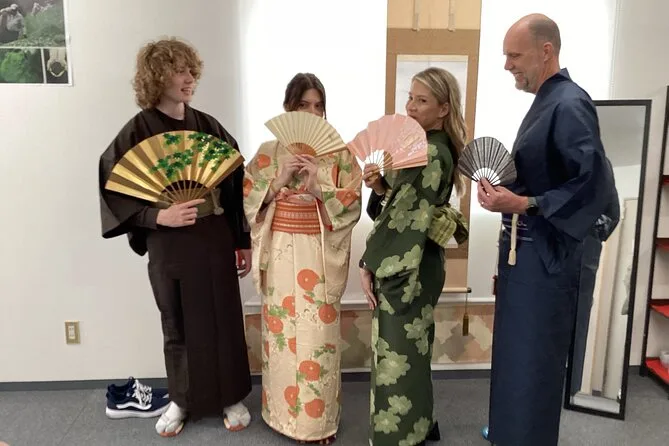
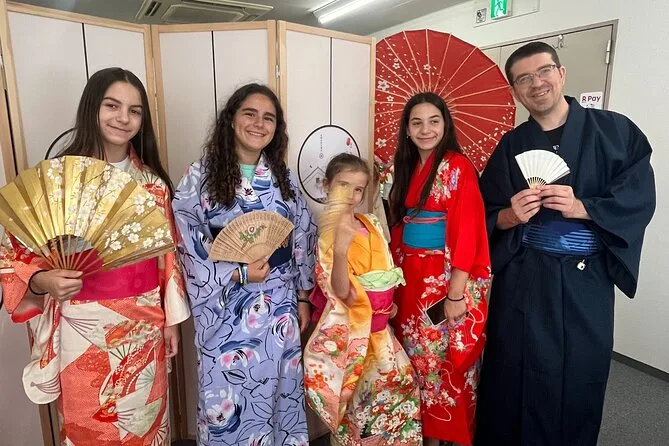
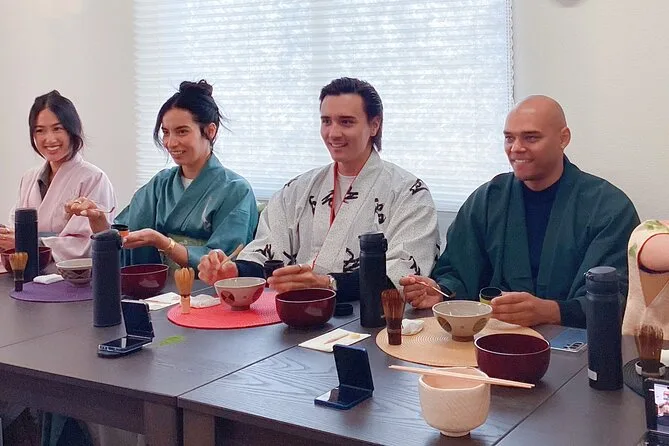
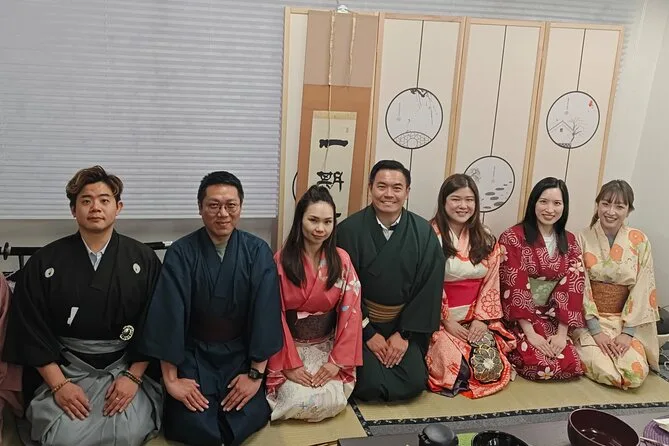
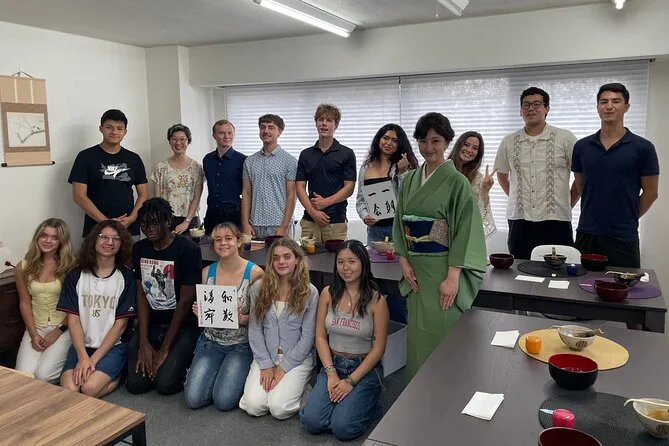
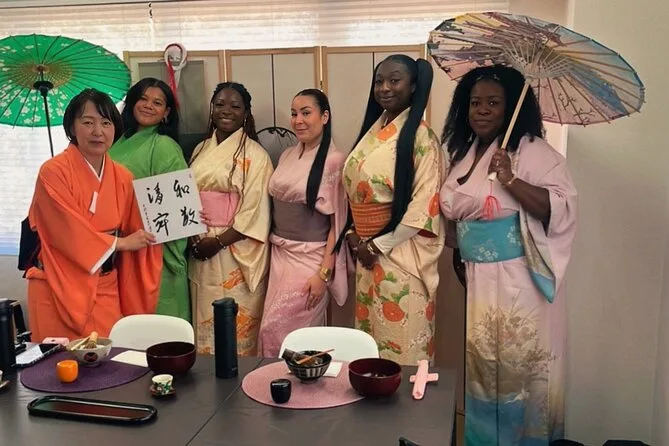
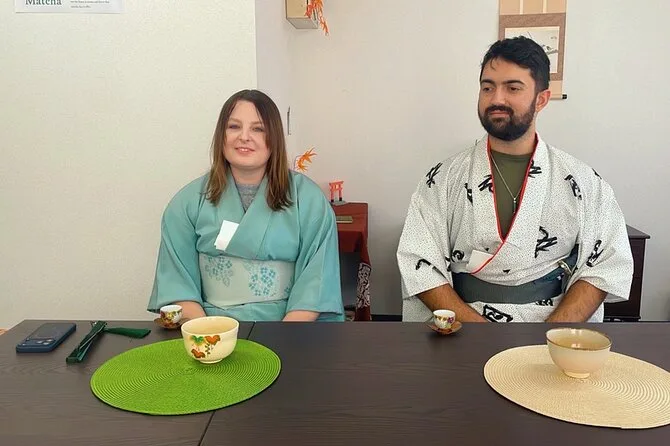
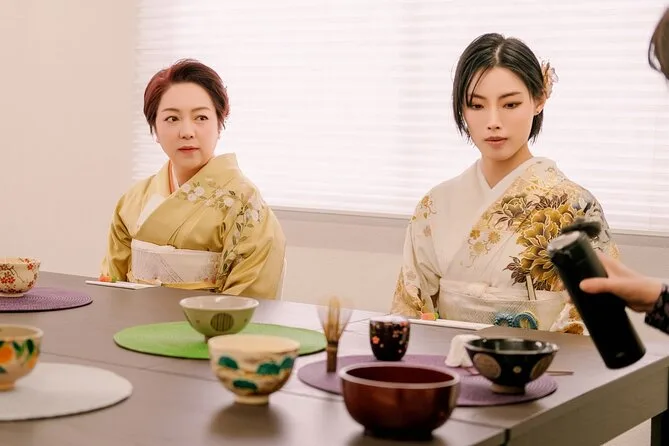
We were already halfway into our kimonos when I realized how odd it felt to have someone else tie the sash for you—my host, Emi-san, laughed softly and said my sleeves looked “very Tokyo spring.” The room smelled faintly of tatami mats and something sweet I couldn’t place at first (turns out, it was the wagashi). There were maybe ten of us, all a bit awkward but curious, shuffling into seats around a low table. No kneeling required—thank goodness. I glanced at the others and caught someone else grinning at their reflection in the lacquered tray.
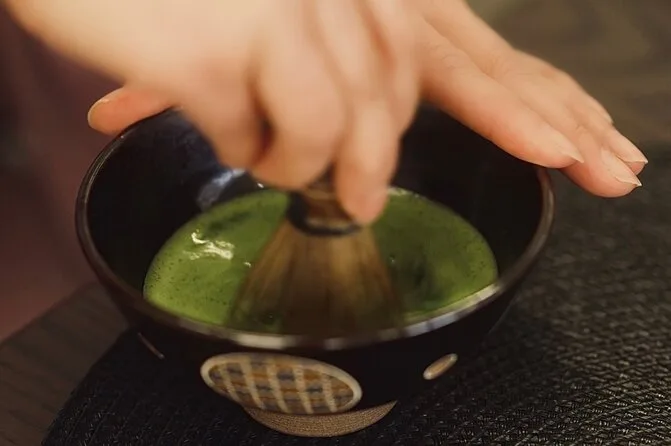
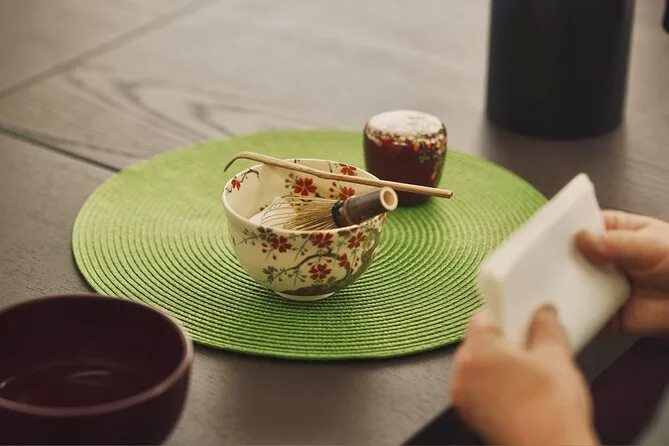
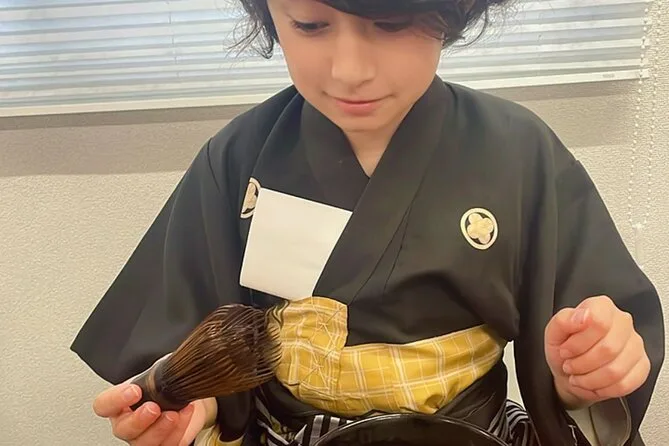
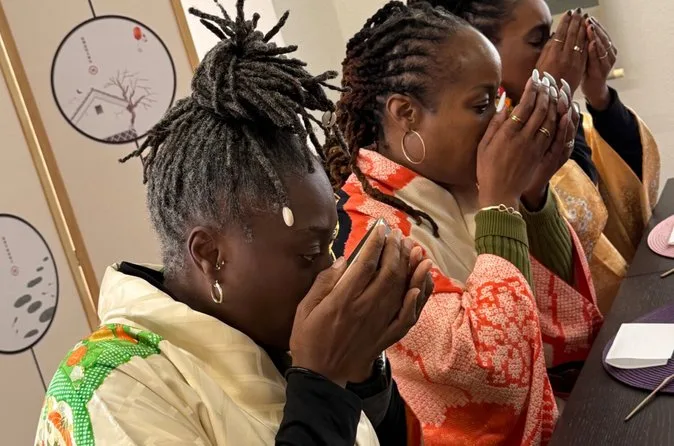
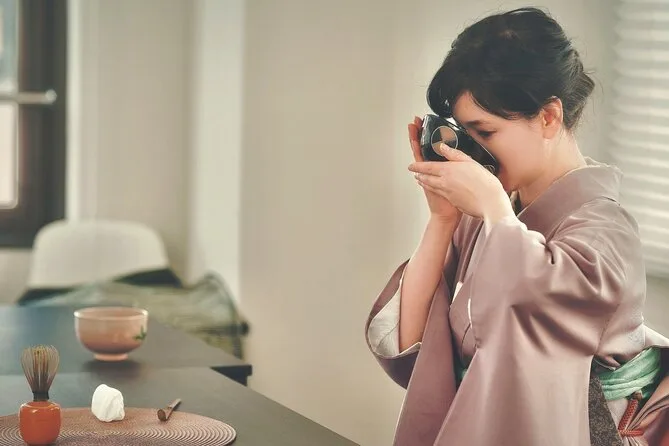
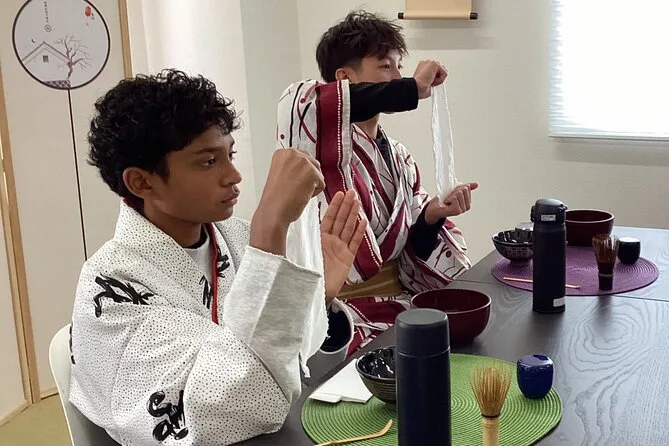
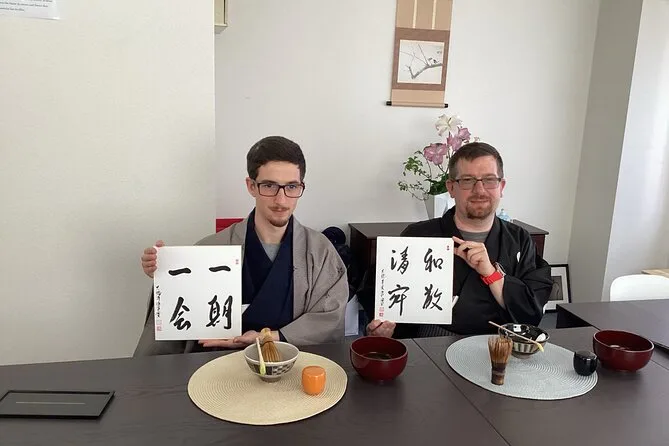
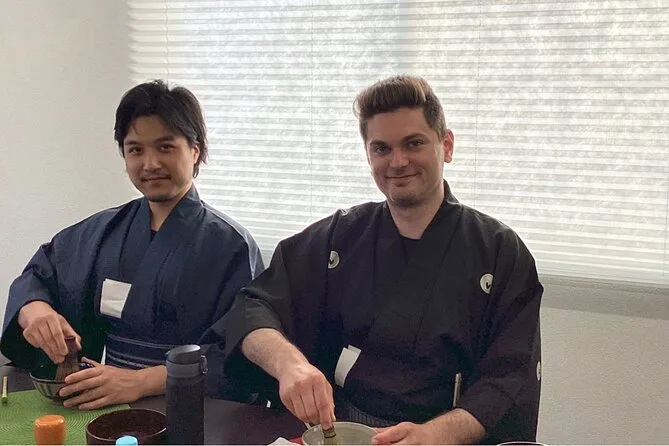
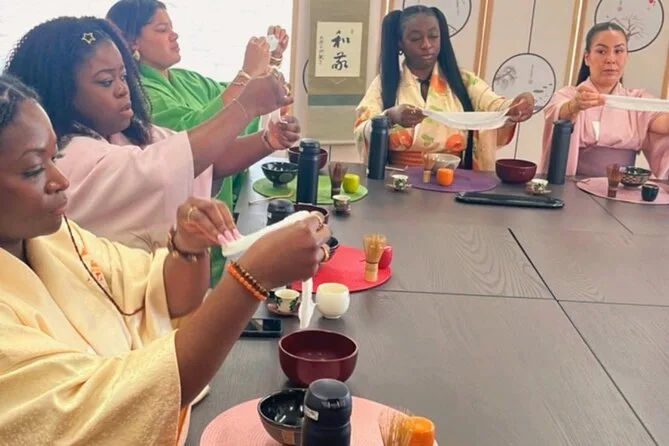
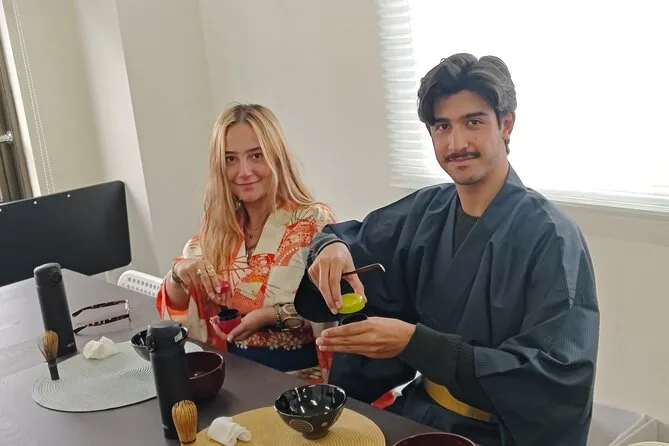
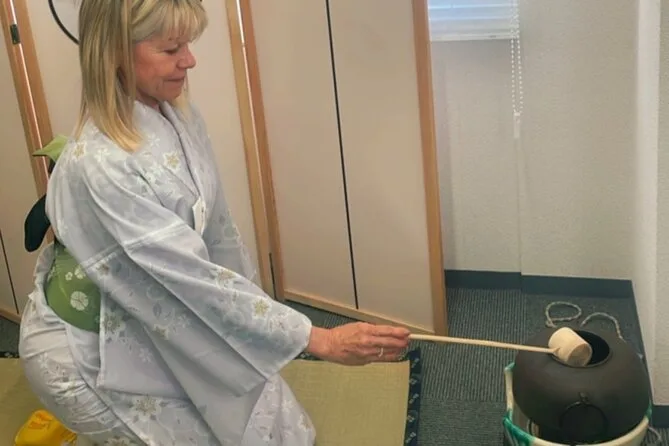
The tea ceremony started quietly. Our guide explained each movement—the way she turned the bowl, her careful gestures—and even though we sat at tables, there was this hush that made me forget we were just off a busy street in Asakusa. When she whisked the matcha for us, the sound was almost like rain on paper. I didn’t expect to feel nervous making my own bowl after watching her; my hands shook a little holding the bamboo whisk. But Emi-san nodded encouragingly and said my foam looked “almost perfect.” I still think about that first sip—bitter and grassy but somehow comforting, especially with the soft wagashi melting right after.
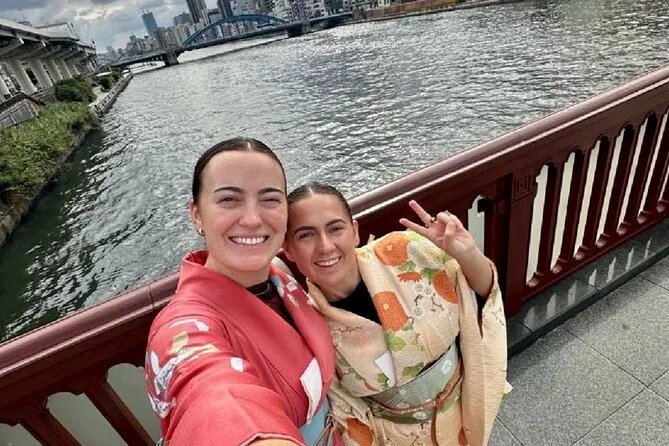
Afterwards we had time for photos (I’m not usually one for posing but honestly, wearing a kimono in Tokyo felt too good to pass up). Someone asked about the history of tea ceremonies and our host shared how rare it is—even in Japan—to do both watching and making your own matcha in one session. We lingered longer than planned. Outside, you could hear distant temple bells mixing with city sounds—kind of surreal when you’re still wrapped up in silk.
 1h 30m

Step-by-step itinerary
Day 1 — Tokyo Tea Ceremony Experience
- Meet tea ceremony host
- Optional kimono fitting
- Watch tea ceremony demonstration
- Prepare your own matcha
- Enjoy matcha and wagashi
- Take photos and closing

Top questions

Is kimono wearing included in the Tokyo tea ceremony?
Yes, kimono dressing is included and optional at no extra cost.
Do I need to kneel during the tea ceremony?
No, this experience uses comfortable table-style seating—no kneeling required.
Can children join the Asakusa tea ceremony?
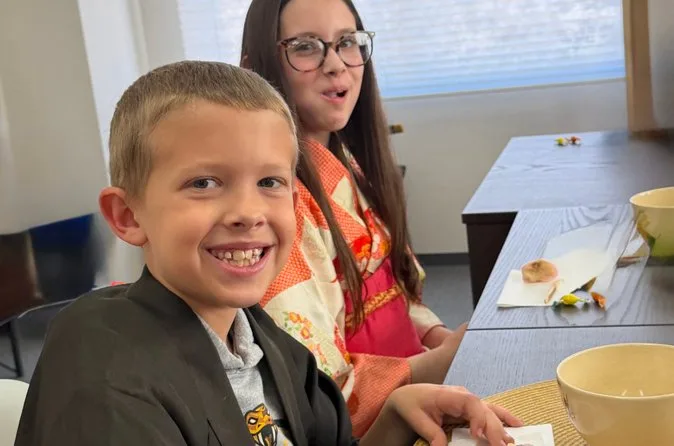
Yes, families with children are welcome; infants can stay in strollers.
Will I get to make my own matcha or just watch?
You’ll enjoy one bowl prepared by your host and then prepare your own bowl using traditional utensils.
Are instructions given in English?
Yes, clear English guidance is provided throughout the experience.
What kind of sweets are served?
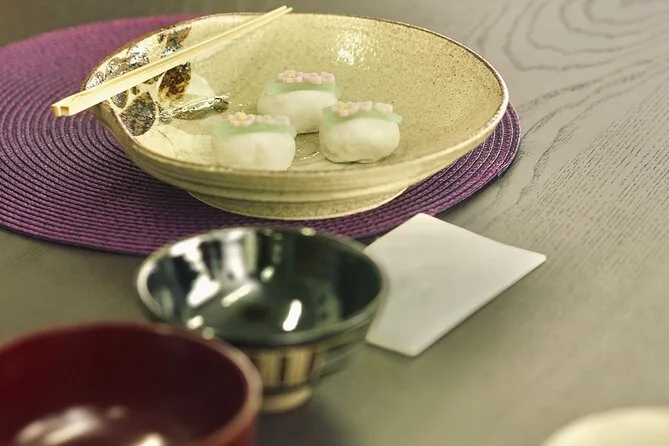
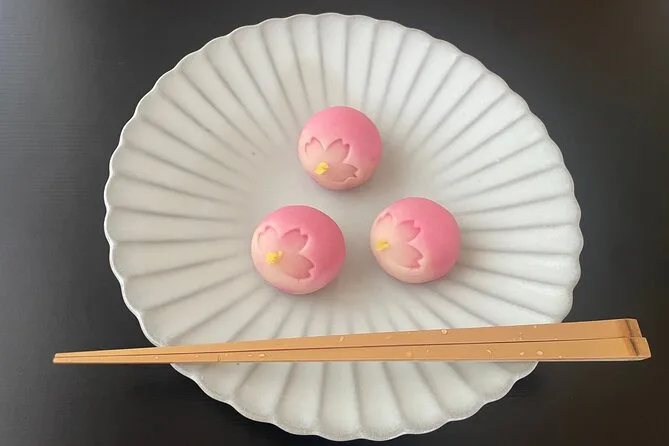
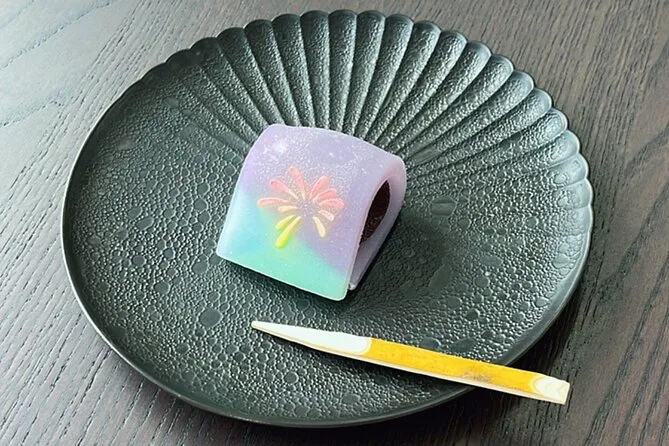
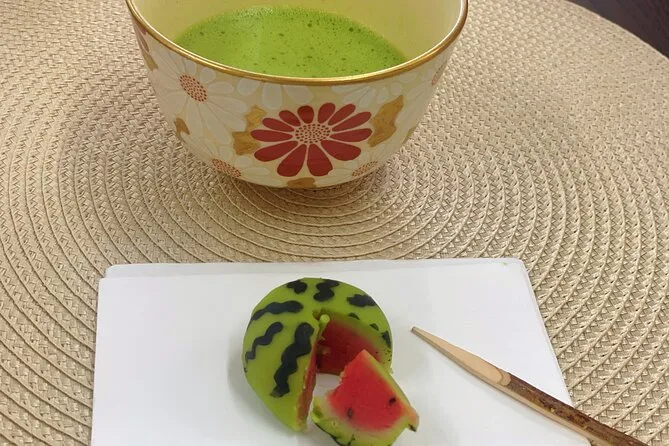
You’ll taste carefully selected seasonal Japanese wagashi paired with matcha.
How many people are usually in each session?
Sessions are typically small (8–12 guests) for a calm atmosphere.
Where is this tea ceremony held?
The experience takes place in Asakusa, Tokyo—a historic neighborhood near Senso-ji Temple.

What’s included
Your day includes an optional kimono experience assisted by staff, two bowls of premium Japanese matcha (one prepared by a professional tea master and one you make yourself), seasonal Japanese wagashi sweets reflecting local flavors, all authentic utensils needed for hands-on participation, comfortable table seating suitable for all ages, plus clear English or Japanese guidance throughout before returning to explore more of Asakusa on your own.
 JP¥ 9,800
  Free booking, free cancellation.
  Don't lose your place.


 Do you need help planning your next activity?


