


Sal Island: Night Sea Turtle Watching with Biologists & Pickup


Summary
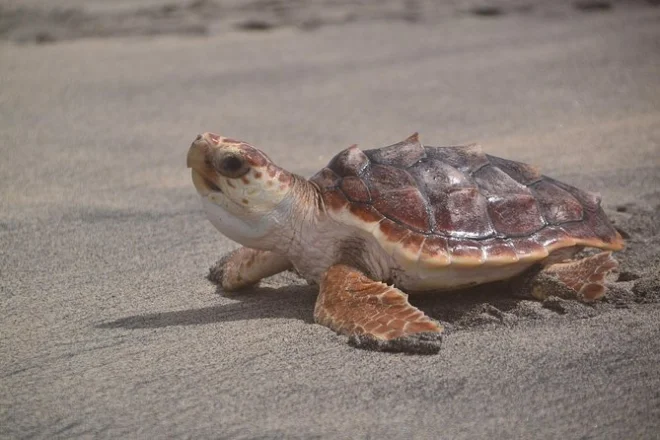
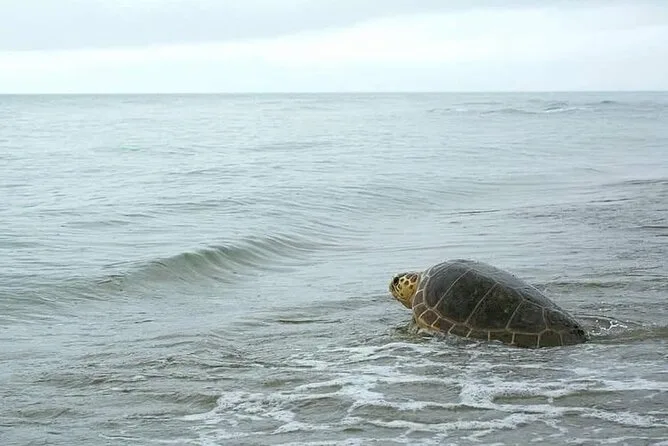
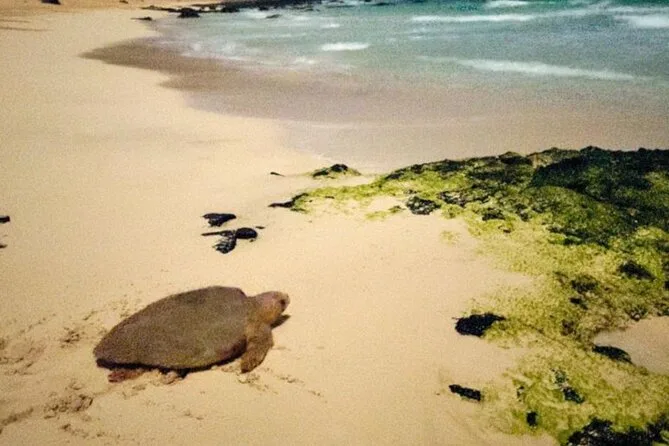
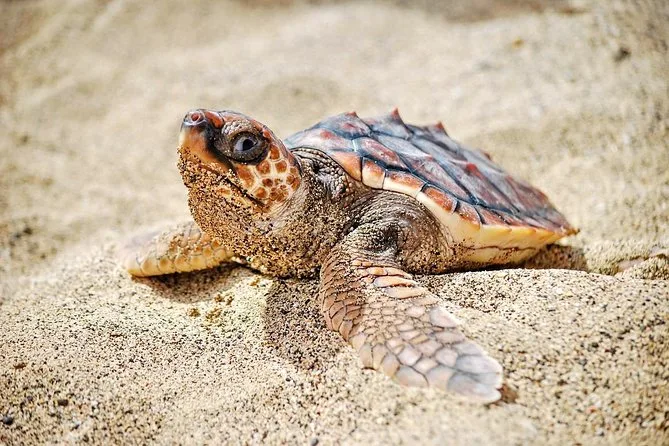
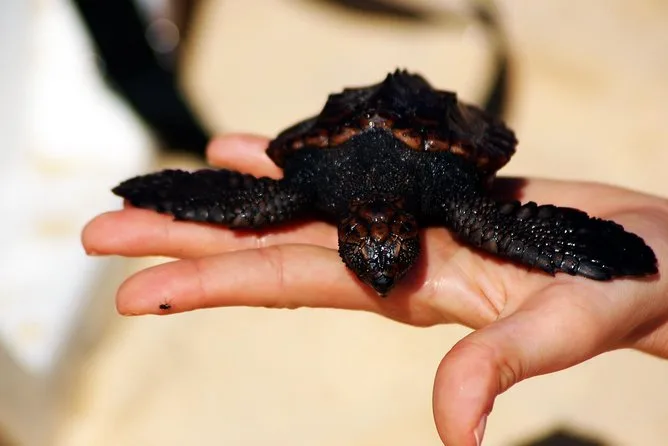
Loggerhead turtles nesting at night on Sal’s quiet beaches with local guides
You’ll slip onto Sal Island’s beaches at night with local guides and biologists, searching for loggerhead turtles as they nest in silence under starlight. Feel the hush around you as you watch new life begin, learn from passionate conservationists, and support real preservation work — all with easy hotel pickup and eco-friendly care.

The van picked us up in Santa Maria just after dark — I’d barely finished dinner, still had grains of sand stuck to my ankles from the afternoon. It was already humid, that sticky Cape Verde kind, and our guide Li greeted us with a grin and a reminder to keep our voices low once we got closer. The drive was maybe twenty minutes but felt longer in the dark, headlights bouncing over potholes. Someone behind me whispered about seeing loggerhead turtles for the first time; I realized I didn’t actually know what they looked like up close.
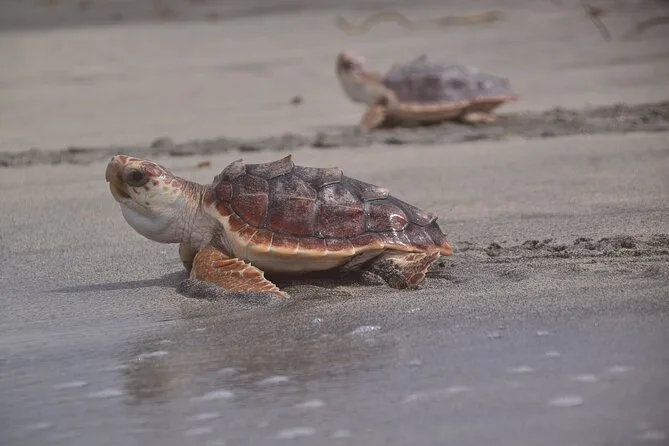
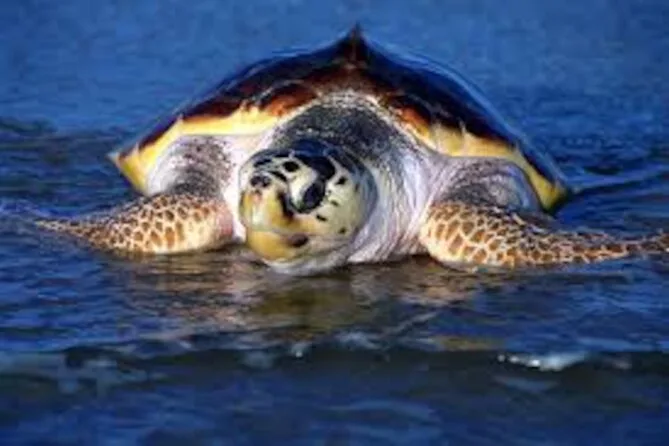
We reached the beach and it was almost silent except for the wind and that weirdly comforting sound of waves breaking just out of sight. The group fumbled a bit getting out — someone’s flashlight flickered on by accident and Li shushed us gently, explaining how white lights mess with the turtles’ sense of direction. We all shuffled into a loose line, trying not to trip over driftwood or each other. The sand felt cool under my feet even through my shoes. Li started telling us about the Biodiversity Project — turns out these loggerheads are called Caretta caretta, which sounds like a song if you say it fast (Li laughed when I tried to say it in Portuguese — probably butchered it).
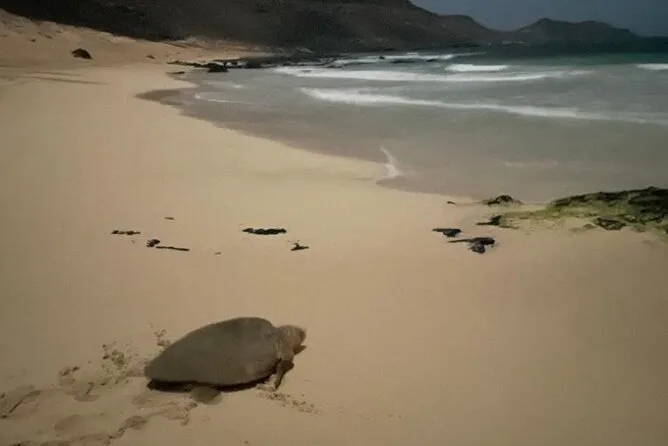
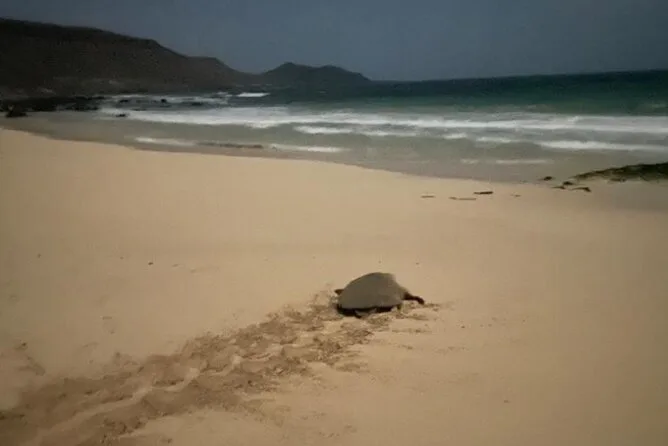
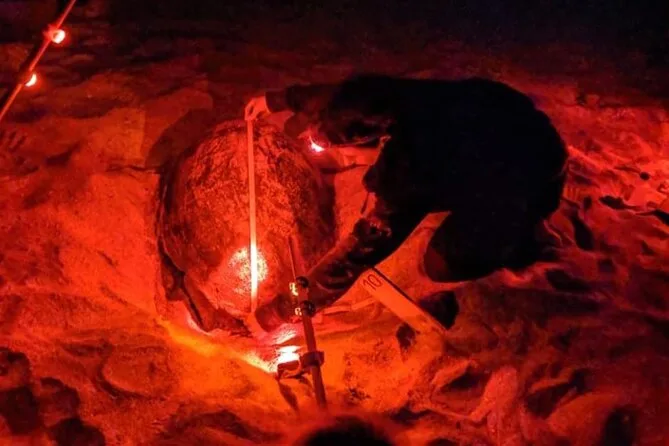
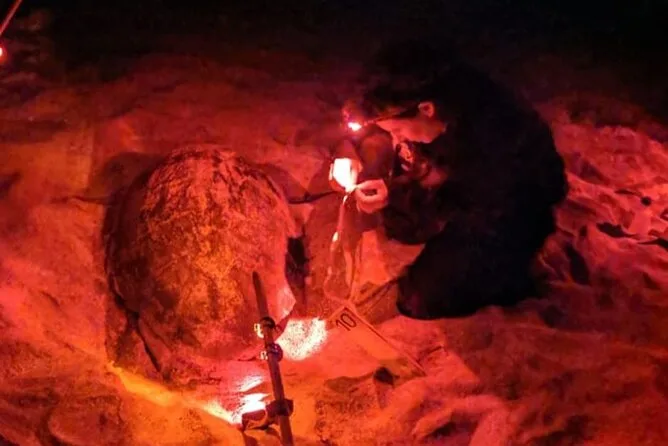
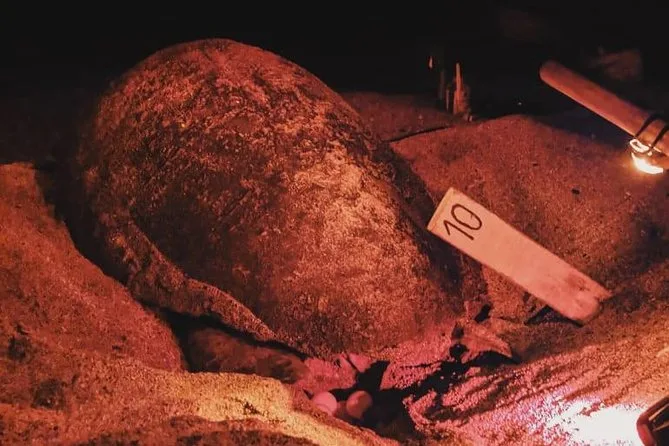
We waited quietly while one of the volunteers scanned for movement using this odd red light that barely lit anything at all. There was this moment where nobody spoke, just breathing and ocean noise, and then suddenly Li motioned us forward: “Slowly.” There she was — a huge female turtle digging her nest with slow determination. I caught myself holding my breath so I wouldn’t disturb her. You could hear her flippers scraping the sand; it sounded heavier than you’d think. I remember the salty smell mixing with something almost earthy from the dunes behind us.
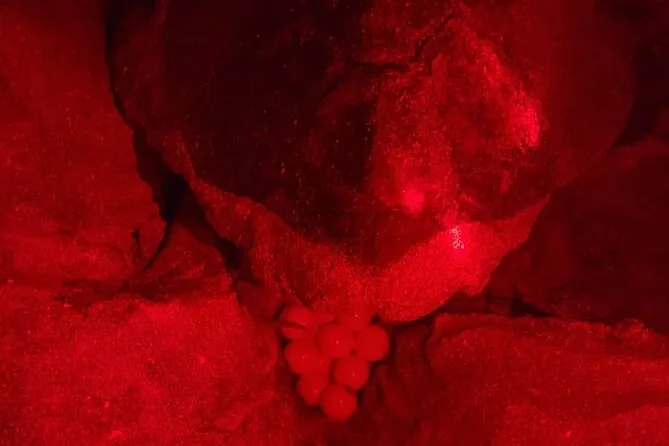
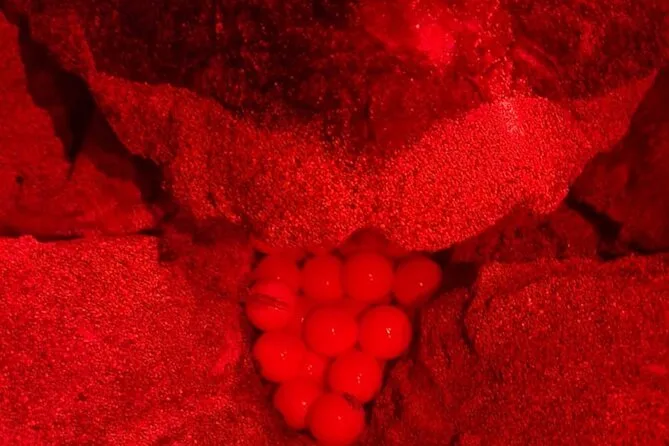
I didn’t expect to feel so protective watching her cover her eggs — everyone did, I think. Even the guy who’d been joking earlier stood completely still. We learned why dark clothes matter (the turtles get confused by bright colors) and why no flashes are allowed for photos. It’s strange how quickly you start rooting for an animal you’ve never met before. On the way back, we talked quietly about how many nests survive each year — apparently Cape Verde is one of their most important nesting spots anywhere. I still think about that slow walk back to the van under stars you don’t see in cities.
 2h
2h

Step-by-step itinerary
Day 1 — Evening sea turtle watching experience
- Transfer from hotel at 8:30 pm
- Arrive at island beach
- Meet professional guides and volunteers
- Learn about sea turtles from expert guide
- Watch sea turtles respecting ecological guidelines
- Support beach cleaning and turtle preservation

Top questions

What time does the sea turtle experience on Sal Island start?
The activity usually begins between 7:30 pm and 10:30 pm depending on conditions; exact transport time is confirmed on event day.
Is hotel pickup included in the Sal Island sea turtle tour?
Yes, private transportation with hotel pickup and drop-off is included.
Can children join the sea turtle watching tour?
The tour is not recommended for children under 3 years old or people with reduced mobility.
Do we need special clothing for turtle watching?
Yes, wear dark colored clothes and comfortable closed shoes to avoid disturbing turtles at night.
Are photos allowed during turtle nesting observation?
You can take photos or videos using provided lights; flash or white lights are not permitted.
Is seeing sea turtles guaranteed on this tour?
Sightings depend on environmental factors but have had a 100% success rate over the last 5 years.
Who leads the Sal Island sea turtle experience?
The tour is led by experienced guides and volunteers from local biodiversity projects focused on turtle protection.

What’s included
Your evening includes private transportation with hotel pickup and drop-off, guidance from specialized nature experts deeply involved in local conservation projects, liability insurance for peace of mind, use of infrared lighting for safe observation and photography (no flashes), plus all arrangements handled so you can focus entirely on this rare wildlife moment.
 US$ 46.45
  Free booking, free cancellation.
  Don't lose your place.


 Do you need help planning your next activity?


