


Dijon: Burgundy Wine Tasting Masterclass & Local Pairings


Summary
Burgundy wine tasting in dijon with expert-led masterclass and cheese pairing
You’ll taste six Burgundy wines in Dijon with an expert who makes every question welcome — even if you’re new to wine. Enjoy local cheeses and charcuterie as you learn to read labels and spot differences between villages. The relaxed pace lets you soak up stories of Burgundy’s vineyards while sharing laughs over each pour.

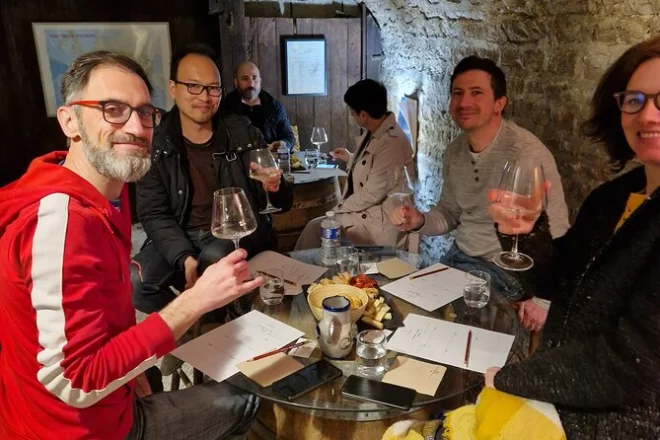
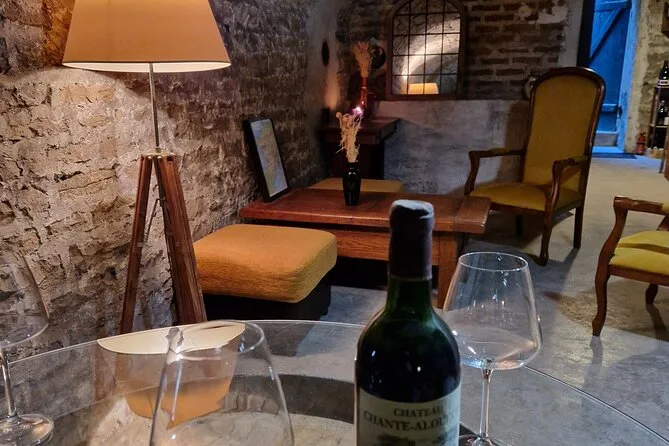
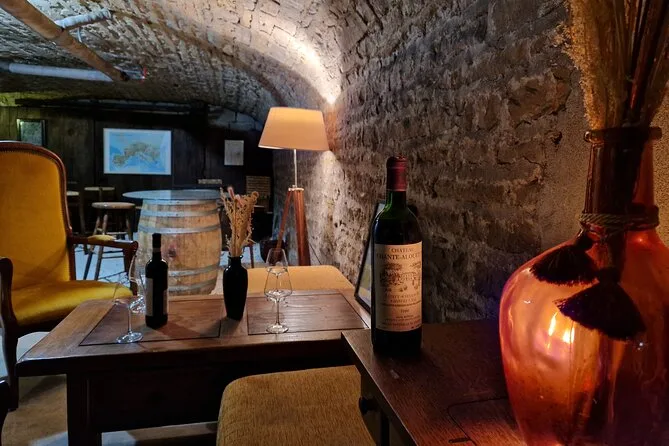
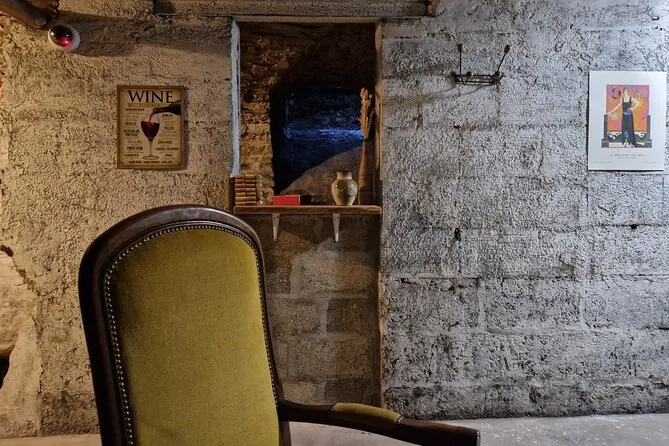
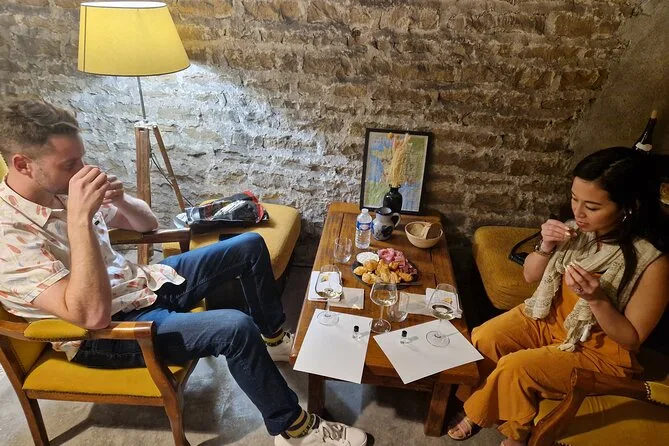
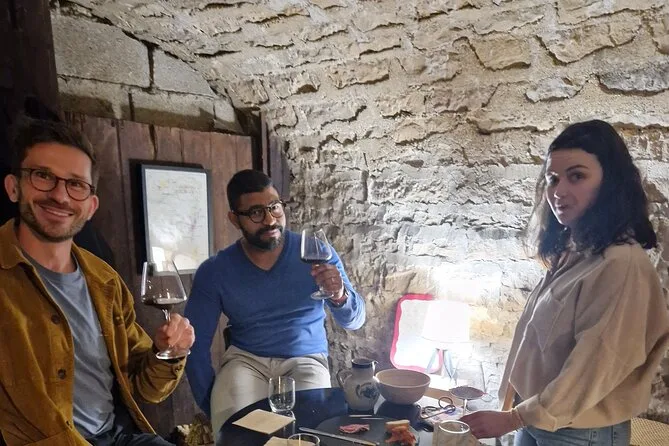
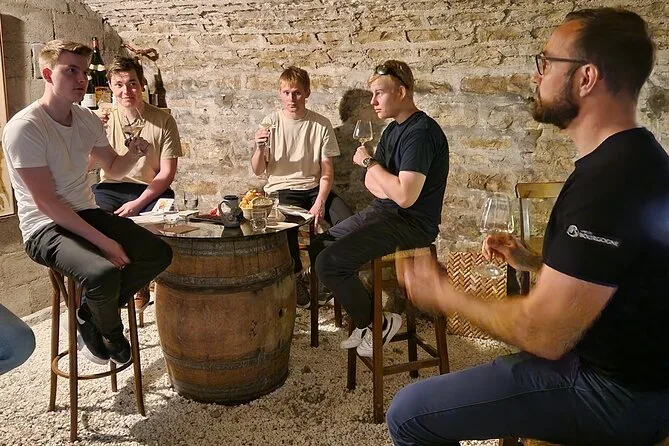
He’s already pouring the first glass before I’ve even settled into my seat — that’s how it starts. Our guide, Florian (he said to call him Flo), grins and asks if anyone actually knows what “terroir” means or if we’re all just pretending. Someone laughs. The room smells like fresh bread and something earthy — maybe the wood shelves or just the wine itself, I can’t tell yet. It’s late afternoon in Dijon but inside it could be any time at all.
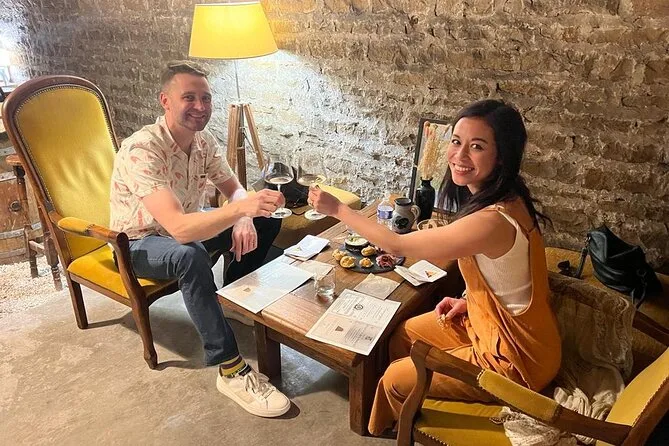
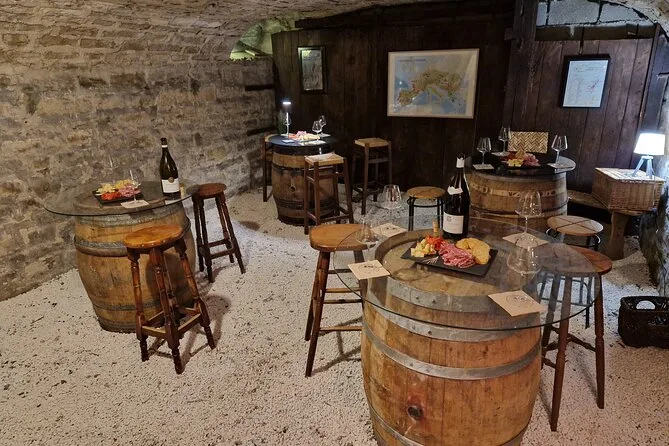
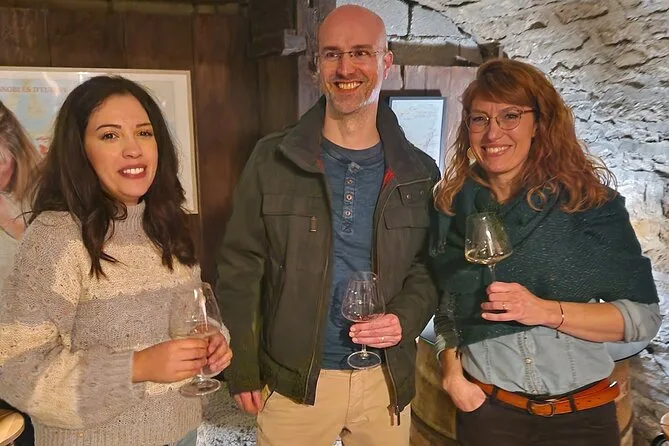
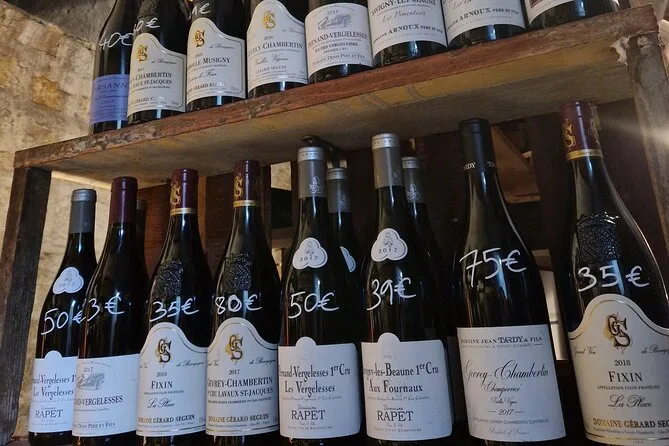
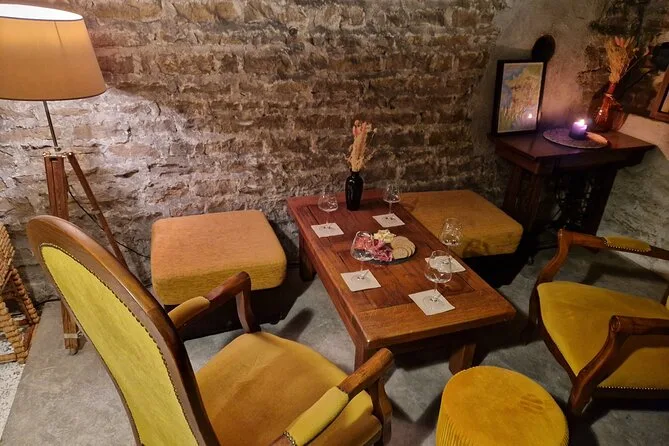
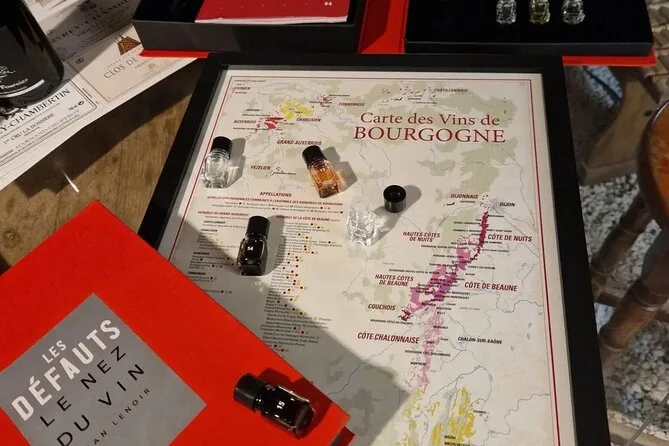
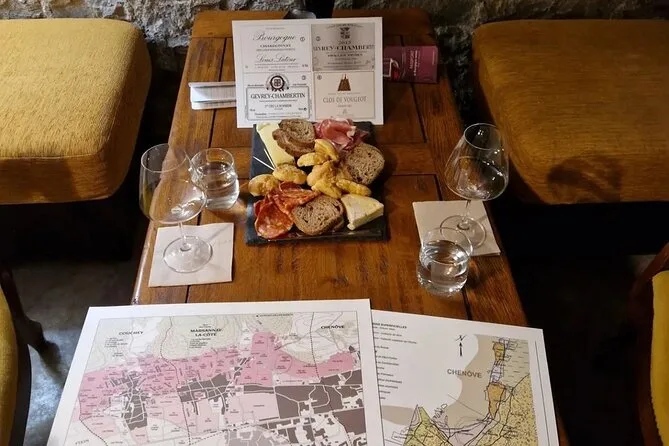
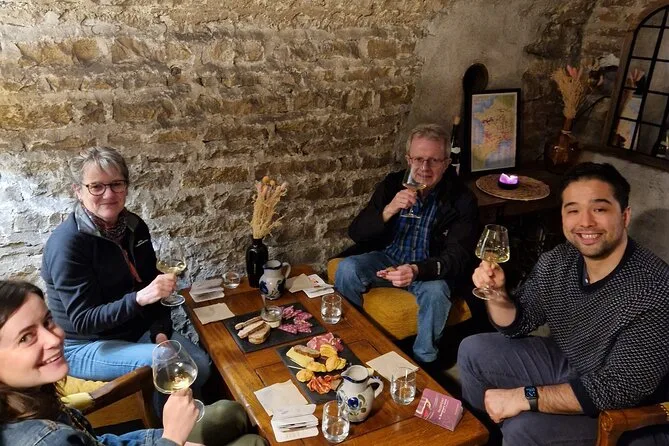
Flo walks us through how to taste Burgundy wine properly — not just sipping, but really noticing things. He tells us about the different grapes (I keep mixing up Pinot Noir and Chardonnay, he doesn’t mind), and explains why the same grape tastes so different depending on which village it comes from. There’s a map on the wall with tiny dots for every vineyard; he points out names I can’t pronounce. We try six wines, including a Premier Cru that makes me pause — there’s this sharpness at first, then something soft underneath. Cheese arrives next, then charcuterie, both local. The cheese is creamy and salty at once; I keep reaching for more without thinking.
I ask about reading Burgundy labels (honestly, they always confuse me) and Flo breaks it down step by step. He jokes that even locals get lost sometimes with all the rules here. It’s not rushed at all — people ask questions about history, climate, even how many bottles a small producer might make in a year. At one point someone tries to say “Gevrey-Chambertin” correctly; Flo laughs but helps her out gently.
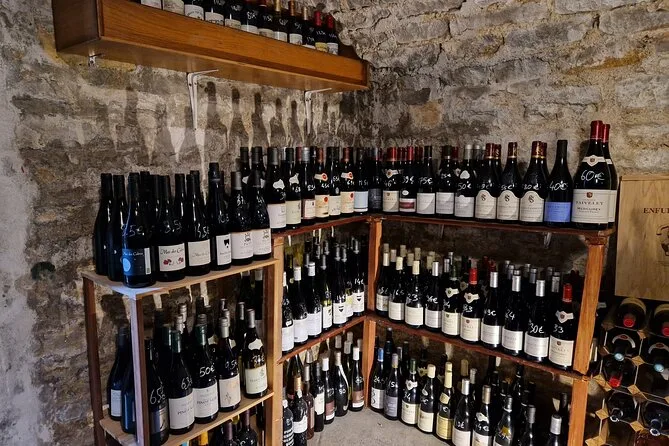
The whole thing feels more like hanging out than a class. I catch myself watching the light shift across the bottles as we talk about old harvest traditions and how weather changes everything here — rain one year means a totally different taste next year. By the end I’m not sure if I know everything about Burgundy (probably not), but I do know I want to come back someday just to sit in that room again with another glass.
 2h
2h

Step-by-step itinerary
Day 1 — Burgundy wine tasting and learning
- Start wine tasting at 4:30pm
- Learn proper wine tasting method
- Taste 6 Burgundy wines including 1er cru
- Explore Burgundy grapes and regions
- Understand Burgundy wine labels and rules
- Enjoy cheese and charcuterie plate
- Ask questions in relaxed atmosphere

Top questions

What time does the Burgundy wine masterclass in Dijon start?
The tasting usually starts at 4:30pm, but other times may be available on request.
How many wines are included in the tasting?
The masterclass includes six Burgundy wines, some of which are Premier Cru.
Is food included during the wine tasting?
Yes, local cheeses and charcuterie are served alongside the wines.
Can dietary requirements be accommodated?
Yes, let them know your dietary needs or allergies when booking so they can adjust accordingly.
Who leads the Burgundy wine tasting?
An experienced guide who has completed advanced studies with the Wine & Spirit Education Trust leads the session.
Is public transportation nearby?
Yes, public transportation options are available close to the venue in Dijon.
Is this suitable for beginners or only experts?
The class welcomes both amateurs and those with experience; everyone is encouraged to ask questions.
Can pregnant travelers join this tour?
No, it is not recommended for pregnant travelers due to alcohol being served.

What’s included
Your afternoon includes six carefully selected Burgundy wines (including Premier Cru), generous plates of local cheese and charcuterie served throughout the session, plus guidance from an expert host who’ll answer any question you throw their way — all set in central Dijon within easy reach of public transport.
 Super deal
  Free booking, free cancellation.
  Don't lose your place.


 Do you need help planning your next activity?


