


Tokyo Asakusa: Japanese Knife Workshop & Sharpening Class


Summary
Tokyo knife making class in Asakusa with real artisan tools and hands-on guidance
You’ll craft your own Japanese knife from raw steel in Tokyo’s Asakusa district with guidance from a local craftsman. Expect hands-on work shaping and sharpening your blade using traditional tools, plus stories and tips from your guide along the way. You’ll leave not just with a functional knife but also a sense of connection to Japan’s centuries-old craft tradition.

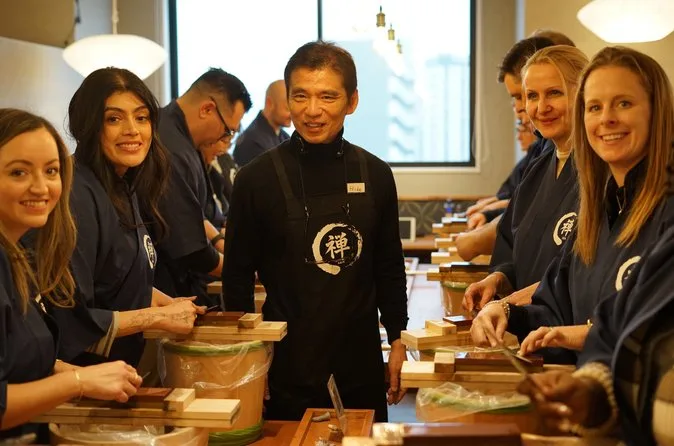
Ever wondered how a blade feels before it becomes a knife? I didn’t, not really — but standing there in that quiet little workshop in Asakusa, Tokyo, the question sort of crept up on me. Our guide, Mr. Sato (he just waved off the “sensei” thing), handed me a rough chunk of steel and smiled like he knew what was about to happen. The air smelled faintly metallic, mixed with something woody from the handles stacked on the back shelf. It was warmer inside than I expected; outside was drizzly and gray but here it felt steady and focused.
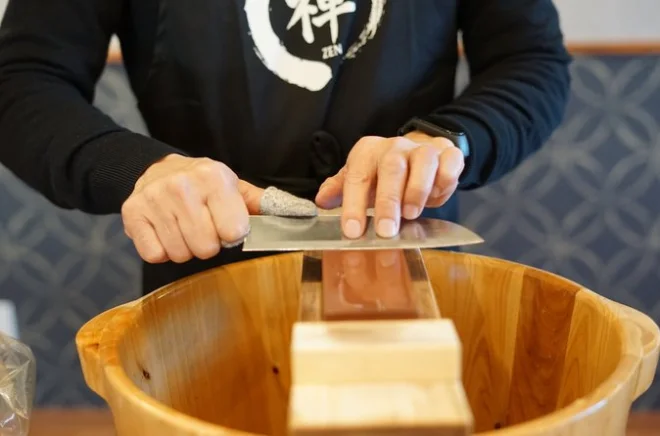
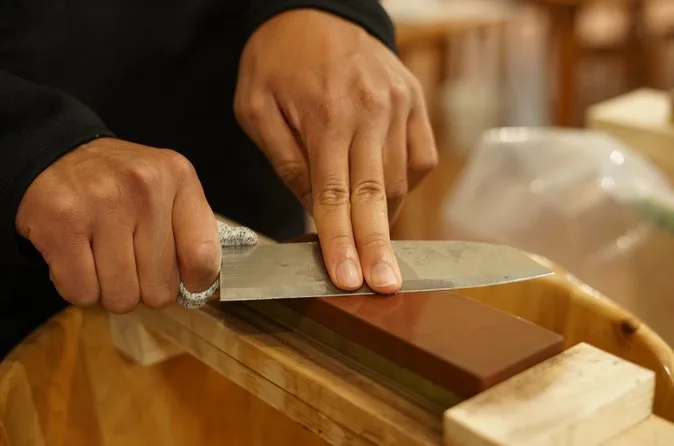
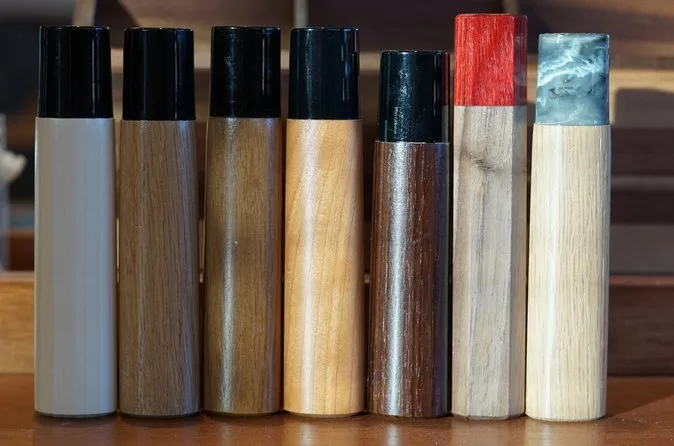
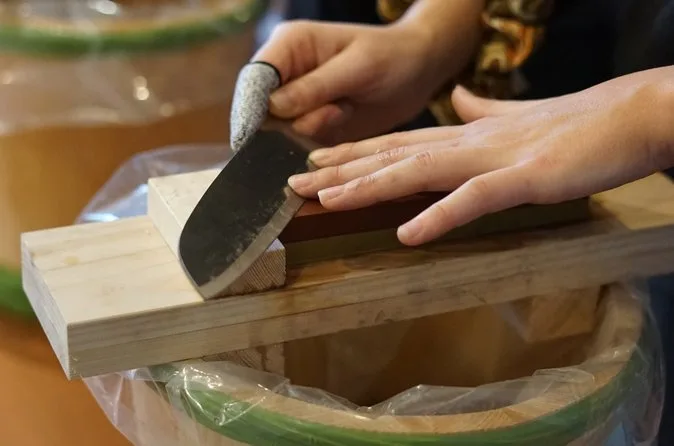
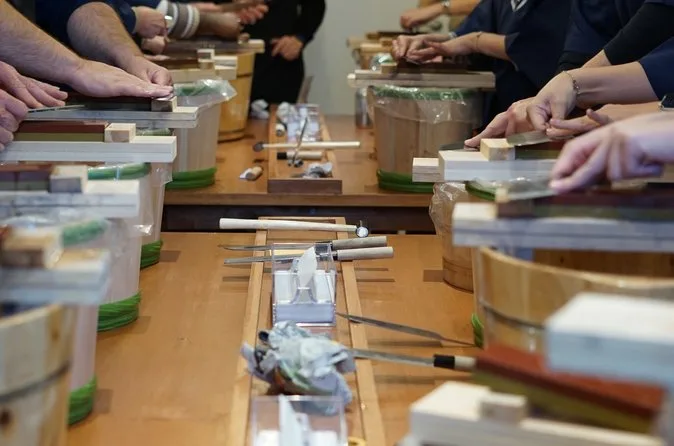
We started slow — Sato showed us how to hold the whetstone right (“not too flat, not too sharp,” he said, tapping my wrist gently). I kept thinking I’d mess up the edge but he just laughed and told me even pros get it wrong sometimes. There was this satisfying rasp as metal met stone, almost meditative after a while. The other two people in our group were just as nervous at first, but by the time we were shaping the wood handle (which is harder than it looks), everyone had loosened up. Sato told stories about his grandfather’s workshop in Niigata while we worked. I probably butchered his hometown’s name — he grinned anyway.
The best part? Watching my own knife take shape under my hands — not perfect (the tip’s a bit wonky), but mine all the same. When we finished sharpening and fitted the handle, there was this quiet pride that settled over us. I still think about that moment when Sato handed me my finished blade; it felt heavier than I expected, like it carried some of that afternoon with it. We all left carrying knives wrapped carefully in paper and smelling faintly of cedar shavings — plus a little more patience than when we walked in.
 1h
1h

Step-by-step itinerary
Day 1 — Create a Japanese knife in Asakusa
- Arrive at workshop in Asakusa
- Receive personal instruction from craftsman
- Learn fundamental knife-making techniques
- Shape your own knife blade
- Refine blade using whetstones
- Complete and take home handcrafted knife

Top questions

Is this Japanese knife workshop suitable for beginners?
Yes, the workshop is beginner-friendly and includes personal instruction from a local craftsman.
Where does the knife making class take place?
The workshop is held in Asakusa, one of Tokyo's most historic districts.
Do I get to keep the knife I make?
Yes, you will take home your handcrafted Japanese knife at the end of the session.
Are tools and materials provided during the class?
All traditional tools and materials needed for making and sharpening your knife are included.
Is this experience wheelchair accessible?
Yes, all areas and surfaces are wheelchair accessible.
Can infants or small children attend?
Infants can attend if seated on an adult’s lap or in a stroller/pram.
Is public transportation nearby?
Yes, public transportation options are available close to the workshop location.

What’s included
Your day includes hands-on use of traditional Japanese tools and blades during the full knife making workshop in Asakusa, personal guidance from bilingual staff (English/Japanese), plus your own wood-handled Japanese knife to take home at the end.
 Super deal
  Free booking, free cancellation.
  Don't lose your place.


 Do you need help planning your next activity?


