


Da Lat: Coffee Farm Tour with Roasting & Tasting Workshop



Summary
Arabica coffee farm day trip near Da Lat with roasting workshop
You’ll walk through an Arabica plantation outside Da Lat, learn roasting basics from local farmers, try your hand at brewing and tasting fresh coffee right on the farm—and maybe even join harvest if you visit in season. Expect real stories, hands-on moments, and that earthy smell of roasting beans lingering long after you leave.

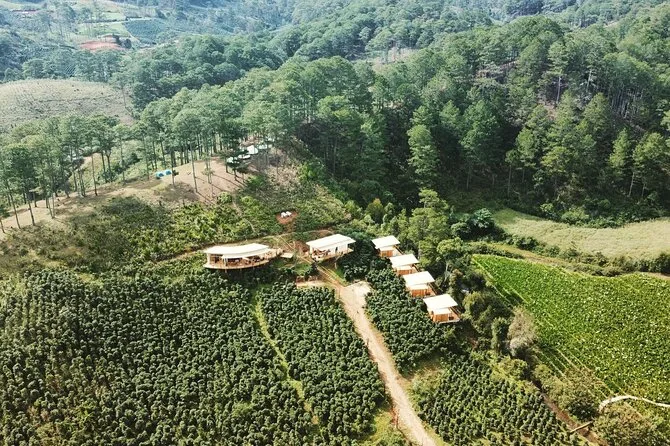
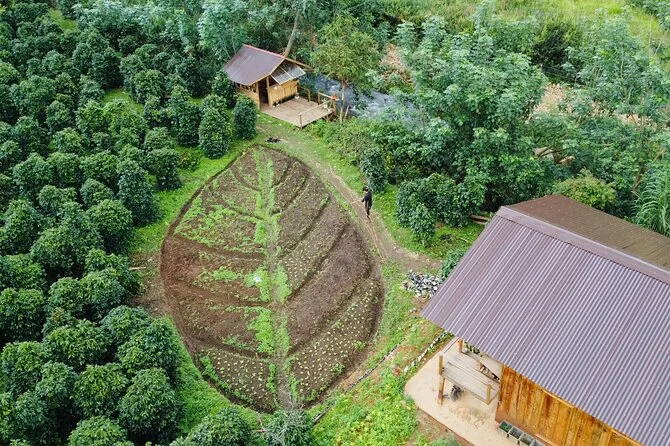
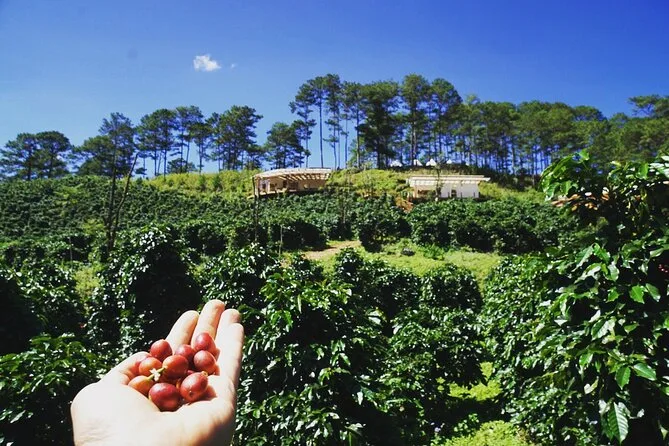
The drive out from Da Lat felt shorter than I expected — maybe because I was busy watching the mist roll over the hills. When we pulled up at Twin Beans Farm, you could smell the coffee even before stepping out of the van. Our guide, Minh, waved us over with both hands (I think everyone does that here) and started talking about how Arabica grows best in this weirdly cool air. The plants looked almost shy under their big leaves. We walked between rows, brushing past wet grass, and Minh handed me a cherry to try — sweet at first, then sort of grassy. Not what I thought coffee would taste like straight off the branch.
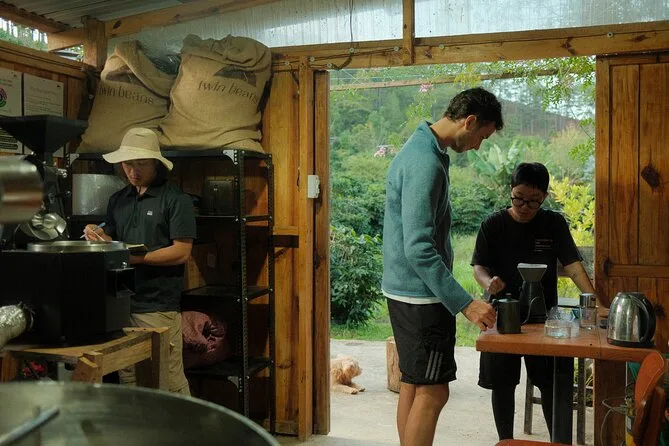
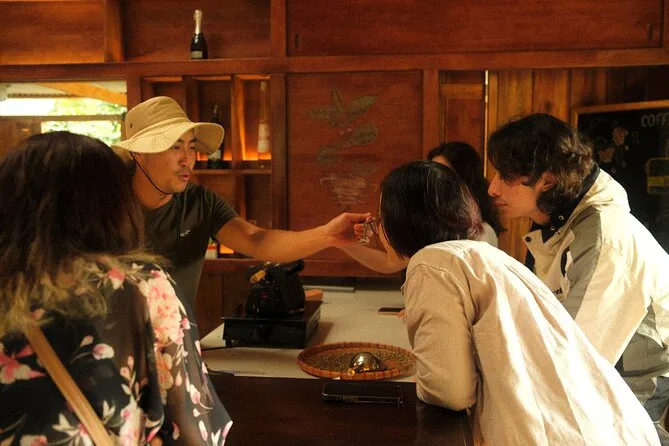
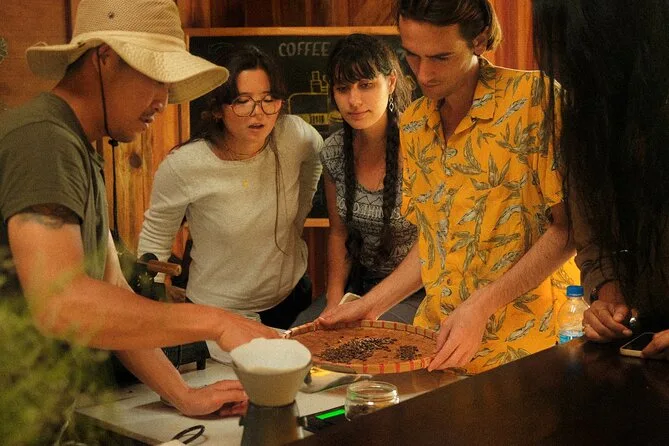
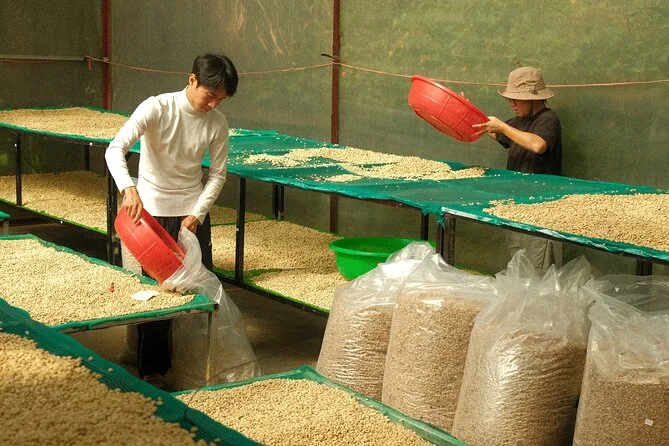
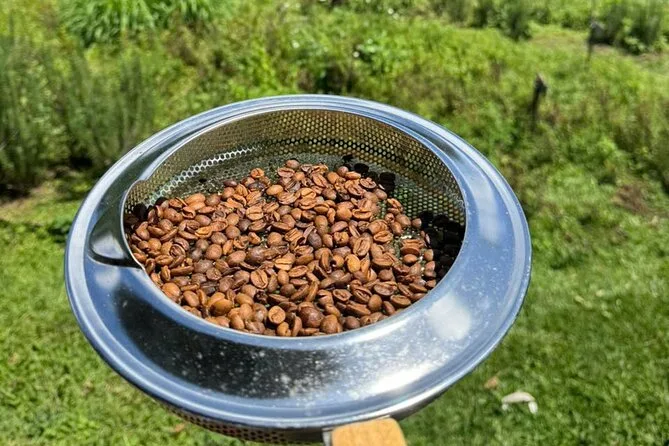
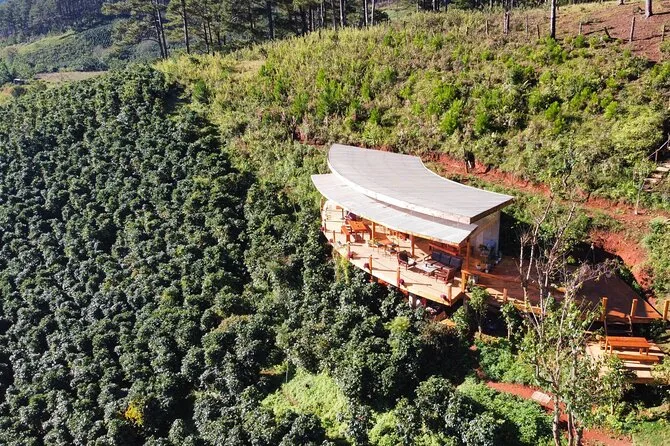
I liked that nothing felt rushed. Minh explained every step — picking, drying, sorting — but mostly he just told stories about his family and how they learned to roast by trial and error. The roastery itself was warm inside, all wood smoke and beans crackling in the drum. They let us scoop our own green beans into the roaster (I spilled a few; nobody cared), and I tried to listen for that “first crack” sound he kept mentioning. It’s louder than you’d think. There was this moment when everyone went quiet just to hear it — kind of funny how serious we all got about coffee for a second.
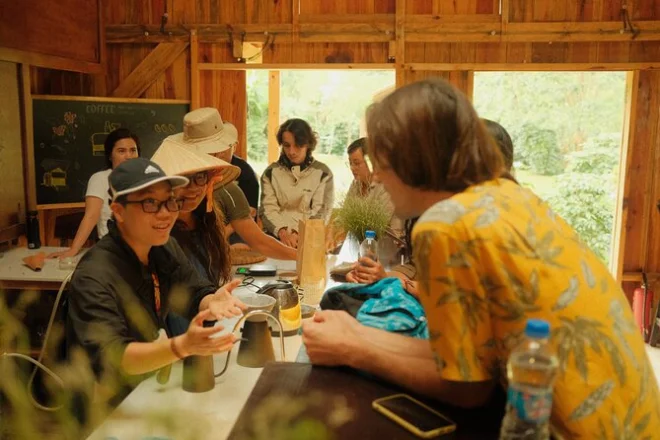
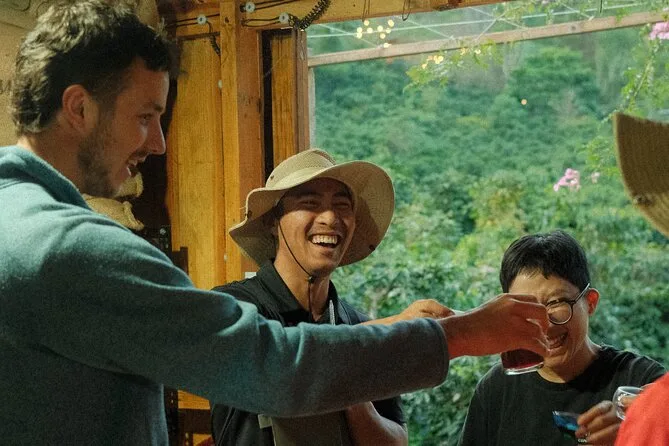
Afterward we sat around a big table for tasting. The cups were tiny but strong — floral and sharp, not bitter like back home. Minh laughed when I tried to say “cà phê sữa nóng” (hot milk coffee) in Vietnamese; I probably butchered it. If you come during harvest season (November to January), you can help pick cherries too, which sounded fun but also exhausting after seeing how much work goes into each cup. The whole thing made me look at my morning coffee differently now.
 1h 15m

Step-by-step itinerary
Day 1 — Visit and learn at coffee farm
- Travel to Twin Beans Farm
- Tour coffee plantation
- Learn coffee making process
- Participate in roasting session
- Join coffee tasting
- Optional coffee harvesting (Nov-Jan)

Top questions

How far is Twin Beans Farm from Da Lat?
The farm is about 20km from Da Lat city center.
Is transportation included in the tour?
Yes, transportation is included if you select the option with transfer.
Can I participate in coffee harvesting?
You can join harvesting activities during November to January.
What will I learn during the tour?
You’ll learn about growing, processing, roasting, and brewing Arabica coffee.
Are drinks included?
Coffee and/or tea are included as part of the experience.
Is there a guide on this tour?
Yes, a local guide will lead your visit through the farm and workshop.

What’s included
Your day includes transport from Da Lat if you choose pickup, guided walks through the plantation with a local expert sharing stories along the way, hands-on roasting and tasting sessions right at the roastery, plus plenty of fresh-brewed coffee or tea to sip while you’re there.
 Super deal
  Free booking, free cancellation.
  Don't lose your place.


 Do you need help planning your next activity?


